3 Donor Behavior Trends + Financial Impact on Nonprofits

3 Donor Behavior Trends + Financial Impact on Nonprofits

Donor behaviors and expectations are always shifting, driven by evolving values, fundraising technology innovation, changing economic pressures, and various other factors. For nonprofit leaders, understanding these changes is critical for ensuring sustained revenue and impact.

Unpredictable giving patterns can leave nonprofits scrambling to secure reliable funding streams and develop manageable budgets without clear direction. Nonprofit leaders who evaluate and monitor donor behaviors are better equipped to keep fundraising costs low and returns high in any circumstances, maximizing the amount they can raise for their mission-critical work.

This article explores donor behavior trends and their implications for financial health, offering strategic insights to help nonprofits build more resilient funding models.

1. Rebalancing Generational Giving Patterns

Relying too heavily on a single donor segment or revenue source leaves nonprofit financial situations vulnerable to shifting donor behavior trends. For example, a preference for volunteerism over financial support among millennials can disrupt cash flow for nonprofits that depend on this group for participation in online fundraising campaigns.

Instead, understanding the nuances in generational giving patterns allows nonprofits to build a balanced fundraising portfolio. Here is what research shows about generational donor behavior trends:

  • Baby Boomers (born from 1946 to 1964) give nearly 43% of all philanthropic dollars, outpacing every other generation. They embrace strategic giving habits, including donor-advised funds, planned giving, and capital campaign contributions.
  • Generation X (born from 1965 to 1980) values flexibility, supporting an average of four charities each year. This generation gives not only monetarily (i.e., grants, long-term pledges, etc.) but also leads in giving in-kind donations, primarily through formal volunteering. 
  • Millennials (born from 1981 to 1996) hold unique giving potential due to an expected transfer of $68‑$84 trillion in wealth to members of this generation. These individuals are digital-first donors, leaning heavily into online donation pages and communication channels.

While generational patterns and other demographic trends are strong indicators of donor behaviors with significant financial impact, you should also consider the unique characteristics of your specific supporters. Use your existing donor data to uncover giving and engagement preferences that can guide your messaging and fundraising strategy.

2. Trust and Ethics in the Age of AI

Artificial intelligence (AI) is making waves in nonprofit fundraising—and it isn’t going away. From prospect research to donor communications, this emerging technology has vast applications for identifying, appealing to, and even retaining supporters.

Along with the emergence of AI fundraising tools comes new donor expectations for their use. Surveys about nonprofit AI perceptions show that 60% of donors are concerned about privacy and data security, and 25% admit that AI implementation could affect their giving behavior, depending on how it’s used. 

The rise of AI has contributed to donors’ cautious engagement, which holds the following financial implications for nonprofits:

  • Conditional engagement: Donors might scale back or redirect their support if your nonprofit’s AI use seems unethical, requiring your team to develop new engagement tactics to regain their support. On the other hand, donors could feel impressed by the way AI has enhanced your nonprofit’s outreach, and so it could deepen their involvement.
  • Potential changes in revenue: If enough donors reduce or pause their giving due to AI concerns, their cumulative restraint could negatively impact your organization’s fundraising revenue. However, those donors who become more involved as a result of your AI approach could also become more generous.
  • Increased operational costs: Your efforts to calm donors’ AI concerns might require additional expenses, such as strengthening your data security systems, training staff to leverage AI responsibly, and creating AI-focused communication materials. These expenses, on top of the costs associated with actually acquiring AI-powered software and integrating it with your existing tech stack, can significantly increase your operational costs.

While nonprofits should take a cautious approach to AI implementation, this technology doesn’t necessarily produce negative financial outcomes. As Insightful Philanthropy’s article on AI fundraising explains, “AI holds significant potential to improve donor cultivation and fundraising efficiency.” The key is using AI responsibly and transparently addressing donors’ concerns.

3. Expectation for Transparency

In a recent study, nonprofits that prioritize transparency saw a 62% increase in contributions from their supporters, making it clear that today’s donors want to know where their dollars go and what they achieve. However, 81% of donors have concerns about the impact of their donations, demonstrating an increasing need to steer away from vague appeals and generic mission statements.

Instead, donors are demanding transparency from the organizations they support, which may involve sharing:

  • Financial statements: As Chazin explains, nonprofit financial statements serve as beacons of fiscal responsibility that instill trust in donors and grantors. These documents detail your nonprofit’s financial activities, reinforcing your organization’s credibility. Making these statements available in your annual report and other donor-facing resources can highlight your nonprofit’s commitment to transparency.
  • Third-party recognitions: When external sources cite your organization as accountable and trustworthy, donors become more confident that they’re contributing to a legitimate cause. Displaying official badges and awards, such as Candid’s Seals of Transparency, on your website can also attract newcomers to your mission and improve your organization’s overall reputation.
  • Impact reports: Detailed impact reports translate your nonprofit’s financial data and program activities into compelling narratives that resonate with donors. These reports help bridge the gap between your nonprofit’s budget line items and the changes your organization drives for its beneficiaries.

Professional intervention is an crucialinherent consideration in nonprofit transparency because trustworthiness is often confirmed by external evidence. For example, online reviews, professional evaluations, and highly esteemed accreditations signal credibility beyond self-reported qualifications.

This is especially true of nonprofit transparency, which is why it’s essential to look into professional support. Outsourced accounting can strengthen the validity of your nonprofit’s financial reporting, and collaborating with other organizations may help you ensure alignment with community needs.

Donor behavior is dynamic, and understanding its evolution is essential for long-term financial stability. With a thorough grasp of supporters’ priorities and expectations, your nonprofit can anticipate shifts in donor behaviors and plan an approach that maintains their engagement.

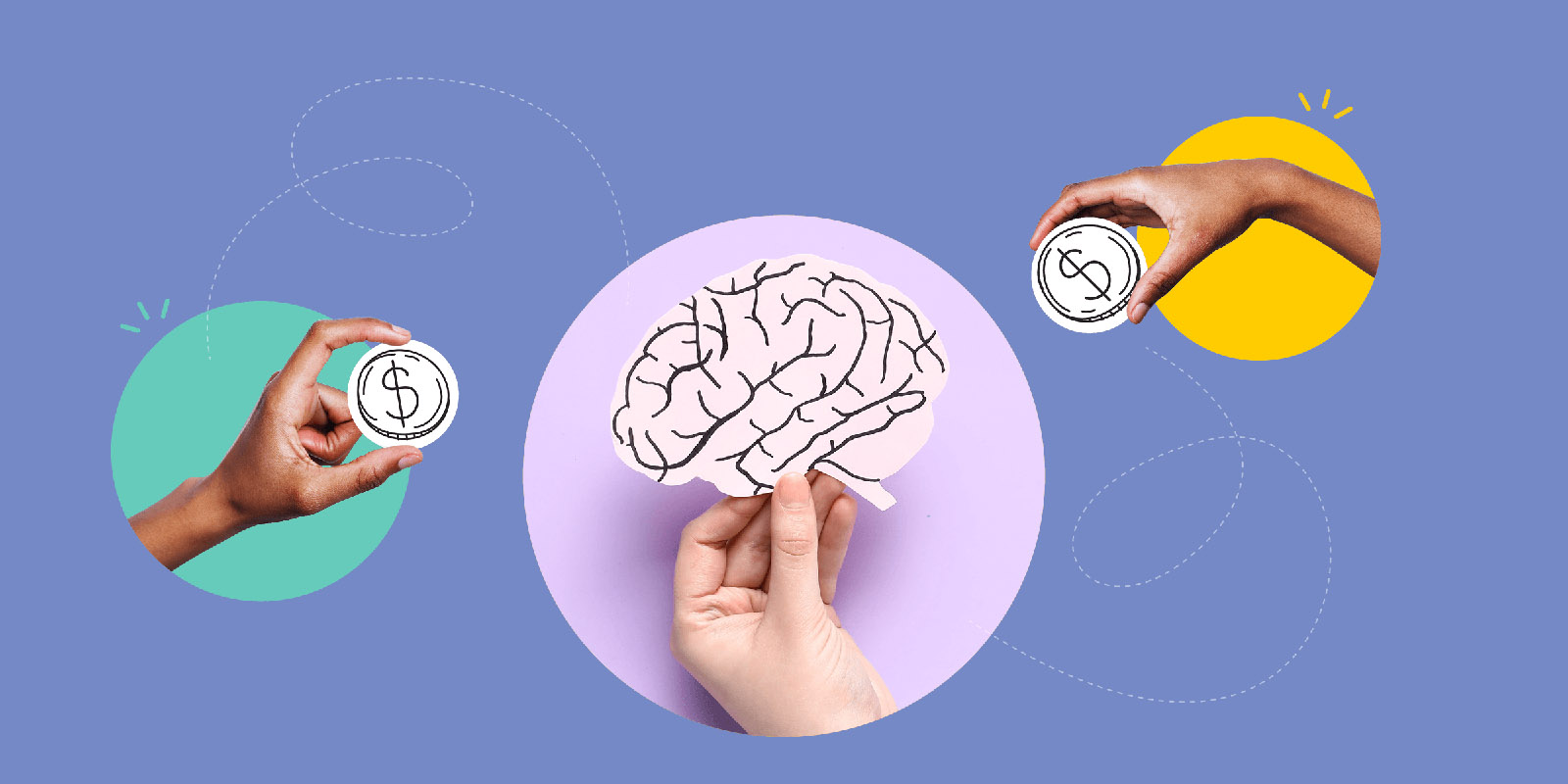
5 Psychology Tricks to Enhance Your Donation Appeals

Understanding common psychological motivations can help you create persuasive fundraising strategies. Get started with these winning psychology tricks.

5 Psychology Tricks to Enhance Your Donation Appeals

Understanding common psychological motivations can help you create persuasive fundraising strategies. Get started with these winning psychology tricks.

Even the best, most well-planned fundraising campaign can fall flat if it doesn’t strike the right emotional chord. You might have beautiful branding, compelling copy, and a well-timed launch, but if your audience doesn’t feel something—urgency, connection, pride, hope—they’re unlikely to make the leap from passive supporter to active donor.

Whether you’re launching a year-end campaign, hosting a themed fundraising auction, or rallying supporters during a pivotal moment in policy change, understanding the psychology behind giving can help your message resonate. People give not only because they believe in a cause but also because of the way you present that cause, which resonates with their emotions. 

This guide will explore five psychology-driven tactics that nonprofits can use to make their donation appeals more effective by connecting authentically with donors, inspiring them to act, and building long-term loyalty. 

1. Leverage the Power of Social Proof

Humans are innately social creatures. When we see others taking action, we instinctively assume it’s the “right” thing to do and are more likely to follow suit. This idea, known as social proof, is one reason peer-to-peer fundraising can be so effective. 

To put this into practice, try:

  • Highlighting widespread support. This can help create a subtle sense of belonging, urgency, and a “bandwagon effect” that encourages new supporters to join the movement.
  • Showing donor activity in real time. Feature names and/or locations of recent donors on campaign pages, or add a rolling ticker showing progress to amplify momentum. This can be especially useful for live events, auctions, or corporate fundraising campaigns.
  • Using testimonials strategically. Share short quotes from donors explaining why they give to inspire others to do the same across emails, mailers, social media, or event signage.

Social proof works best when it’s authentic, not staged. Showcase genuine stories and real numbers so potential donors feel like they’re joining an active community.

2. Create a Sense of Belonging

Donating to a cause is more than just a financial transaction; it’s an expression of a person’s beliefs. As such, people are more likely to give when they feel connected to your mission and the community around it. This is especially true for advocacy groups, grassroots organizations, and rights-based nonprofits, where shared values and solidarity are central to the cause.

Here are ideas to build a sense of belonging:

    • Use inclusive language. Your appeals should use words like “we” and “together” to help donors see themselves are part of the team and mission.
    • Segment appeals. Use your data on donor demographics or interest areas to tailor messages to speak directly to those identities. For example, environmental nonprofits might use different messaging for young climate activists and long-time conservationists. 
  • Strengthen the connection post-donation. Don’t let the donor experience end with a translation. Send a personalized thank-you note, share impact updates, and invite them to join community events. 

When donors feel like they’re part of something bigger than just assisting an organization, their commitment and belonging to the cause deepen. 

3. Use the Rule of Reciprocity

One of the simplest, but more powerful, psychological principles in fundraising is reciprocity, or when someone receives something, they feel inclined to give back. The key is to offer the volunteer or donor value upfront—genuinely and in alignment with your mission—so the act of giving feels less transactional. Get started with these ideas:

  • Offer something useful before making an ask. This could be a downloadable resource, impact report, video, or personal note from a staff member. These small things can make a big impression.
  • Offer behind-the-scenes access. Invite donors to tour your office or facility, meet beneficiaries, or attend a Q&A session with nonprofit leaders. These experiences build trust and help deepen investment. 
  • Host appreciation events. A casual thank-you gathering, a donor-exclusive webinar, a round of golf, or a simple coffee meetup can foster a great deal of goodwill. 
  • Include a thoughtful follow-up gift. Personalized thank-you videos, cause-themed keepsakes, photos of impact, or an event-specific gift can provide a lasting positive impression of your organization. 

Reciprocity typically works well because it shifts the donor’s mindset from being asked to do something to responding to a gesture.

4. Keep it Simple

For most people, the easier something is to understand, the more trustworthy, genuine, and appealing it seems. The same is true for donation appeals, where complexity is the enemy of action. Overcomplicated messages or crowded visuals can make people hesitate, or worse, navigate away completely. 

Streamline your appeals by:

  • Using plain language. Avoid jargon or overly technical terms. If a 10-year-old wouldn’t understand it, rewrite it. 
  • Limiting choices. While it can be tempting to offer a dozen (or more) giving levels on forms and donation pages, too many options can overwhelm potential donors. A simple set of three to five tiers, with a “custom amount” option, often converts better. 
  • Using simple design. Use white space in your layouts so key information stands out. Avoid overwhelming visuals and graphics and competing calls-to-action.
  • Making accessibility a priority. Ensure your website and donation forms meet accessibility best practices, including clear navigation, legible fonts, and alt text for images. 

5. Let AI Help You A/B Test Faster

Use AI tools to help you analyze donor behavior patterns and quickly identify which messaging, visuals, and formats are most effective and will best resonate with your audience. This means you can iterate and optimize faster, which is crucial during time-sensitive campaigns. 

Here’s how you can put AI to work in your donation appeals:

    • Test subject lines. AI can generate and evaluate multiple subject line options, then suggest the one most likely to earn opens based on historical performance. 
  • Experiment with urgency and benefit framing. See which version, “Donate by midnight to double your impact” or “Your gift today helps feed 50 families,” drives more clicks and conversions. 
  • Personalize content for audience segments. Use AI to help match the right message to the right donor segment, predicting how they’ll respond to psychological triggers.
  • Analyze visuals. Some AI tools can identify which colors, layouts, or images will perform best for your audience. Just be sure they fit in with your nonprofit’s branding.

It’s important to note that AI isn’t perfect. It can make errors or generate suggestions that don’t match your nonprofit’s tone or brand. Always review its work to ensure your final messages reflect your nonprofit’s authentic voice and values. 

Conclusion 

Psychology-driven fundraising isn’t meant to trick people into giving; it’s designed to align your appeals with the ways humans think, feel, and make decisions. When you combine these principles with genuine storytelling and transparency, you can create campaigns that feel good for donors and make a real impact for your cause.

For nonprofits working in advocacy, equity, or civic change, this authenticity is non-negotiable. Donors are choosing to trust your nonprofit with their resources, time, and emotional investment. By understanding what motivates them and respecting that trust, you’ll build stronger relationships, inspire greater generosity, and move your mission forward.

4 Best Technology-Fueled Donor Retention Strategies

4 Best Technology-Fueled Donor Retention Strategies

4 Best Technology-Fueled Donor Retention Strategies

4 Best Technology-Fueled Donor Retention Strategies

Most nonprofit professionals emphasize the importance of donor retention as a cost-saving measure, as acquiring a new donor costs more than retaining an old donor. However, donor retention is also a measure of your relationships with your supporters, the efficacy of your stewardship measures, the level of engagement in your communications, and how trustworthy donors find your nonprofit. Ultimately, all these factors result in more consistent revenue from individuals who feel strongly about supporting your cause.

Today, nonprofits have more tools than ever to build and maintain donor relationships, but many are deterred by unfamiliarity with these technologies and fail to use them to their full potential. Ensure your organization takes advantage of technology’s uses for boosting donor retention using these guiding tips:

Use nonprofit analytics to guide your strategy

Before you can adjust or change your donor retention strategy, you need to understand how well it’s working. The best way to do that is through nonprofit analytics, which has three main facets:

  • Data collection: Acquire donor data from surveys, registration forms, and other technology solutions. While smaller nonprofits can get away with storing their data in less robust systems, as your organization grows, you’ll need to use a dedicated nonprofit constituent relationship management (CRM) system, like Blackbaud or Salesforce, or a data warehouse.

  • Data management: For your data to be helpful, it has to be organized and regularly cleaned. That means conducting audits of your data to ensure that it is relevant, accurate, and complete. In particular, identify duplicate or outdated data that you should remove.

  • Data analysis: In this stage, you’ll identify patterns in your data and compare current performance to past metrics and future goals. This practice helps you gain valuable insights into donor retention.

Here’s an example of how nonprofit analytics can support your donor retention strategy: Imagine you’re a cross-partisan organization looking to build bridges across the political spectrum. You’re currently satisfied with your donor retention rate, but you worry that an upcoming election will change that. Rather than doing nothing or making vague guesses about how your donor retention will fluctuate, you can use predictive and prescriptive data analytics to determine how your donor retention rate might be affected and how you can minimize your retention loss by reaching out to at-risk donors.

If your organization isn’t ready to tackle nonprofit analytics alone, nonprofit consulting firms can help you execute an effective analytics strategy. The right consulting firm can assist you with technology, marketing, human resources management, and more, ensuring you set the right strategies that will improve your donor retention rates.

Thoughtfully integrate artificial intelligence (AI) 

AI can bolster your efforts to understand donor behaviors and make your communications more compelling to them. Here are some ways you can use AI to engage donors:

  • Personalize communications. Use AI to sort donors into categories based on their history with your organization, interests, and engagement level for more targeted messaging. Donors are more likely to remain engaged with an organization that caters to their needs and recognizes their commitment.

  • Use predictive analytics. AI tools can make predictive analysis easier by recognizing complex patterns, processing more information, and making specific recommendations. AI can recognize which donors might become major donors or recurring donors, which allows you to market more effectively to donors likely to take the next steps in supporting your cause.

  • Answer questions in real time. Use AI chatbots on your website to build trust with your donors by answering FAQs about your mission, impact, and why donations matter. If donors have any hesitation about continuing their support for your organization, these tools can assuage concerns quickly and effectively, even when you don’t have staff members available to take questions.

Incorporating AI into your donor retention strategy can invigorate your existing efforts to connect with donors and anticipate their needs. Remember to use AI responsibly by setting down policies that ensure you implement these tools ethically and with human supervision.

Strengthen your communication using technology

Technological tools provide exciting opportunities to create a resilient community of supporters. Consistently communicating with donors even after they’ve made a donation shows you care and makes donors more likely to remain engaged with your organization.

Here are a few strategies you can use to support your messaging:

  • Use multichannel communication. Many people use a myriad of communication channels in their everyday lives: email, social media, text, direct mail, and more. Omnichannel marketing campaigns create a seamless communication strategy that encompasses multiple channels, ensuring donors will have an easier time remembering your cause. Be sure to use your CRM to track individual donors’ preferred channels to communicate more effectively.

  • Create engaging impact updates. Regular messages about your organization’s progress toward its goals are great, but you can take these communications to the next level by incorporating visually appealing elements, like photos, videos, and infographics. Donors want to see that their contributions are making a difference, so show them, don’t just tell them about it. For example, if you’re a human rights organization bringing supplies to people in need, include pictures of your supply stock or beneficiaries (with consent, of course) or videos of your staff describing the impact you’ve made.

  • Practice stewardship. Donors are far more likely to return to organizations that show sincere appreciation for their contributions than organizations that let their generosity go unacknowledged or send a generic thank-you. Use donor data to address supporters by name in thank-you eCards or create donor walls that grab their attention and show you’re willing to go the extra mile to make them feel valued.

These communication methods don’t just remind supporters about your organization’s existence. They invite community members to be a part of your organization’s journey in meaningful ways by showing them the impact their support makes.

Simplify your donation process

A complicated giving process may dissuade one-time donors from returning to your organization the next time they want to make a donation. Use technology to ensure that supporters can make donations quickly and easily, such as by:

  • Optimize your website design. Your donation page’s design should be aesthetically appealing and distinctive so that your donors remember it and want to return to it. Monitor bounce rate, conversion rate, and the amount of time people spend on your page to keep improving it as your organization grows.

  • Make matching gifts easy. Matching gifts are one of the easiest ways for donors to increase their impact. If your donation site forces them to navigate away from your page in order to submit a request to their employer, they may not come back. Instead, use a matching gift software to facilitate the request yourself, taking the burden off your supporters.

  • Create a mobile-friendly donation page. Many donors will want to access your site from their phones, so be sure your donation page easily reformats to fit different-sized screens, has easy-to-read fonts, intuitive navigation, and fast loading.

  • Accept various payment methods. Don’t force your donors to search their wallets for the one card you’ll accept. Prioritize your donors’ needs by creating options for credit cards, ACH payments, and digital wallets.

  • Send automatic donation receipts. Ease donors’ minds by informing them immediately after they make a donation that it has been received. This builds trust in your organization and helps create a positive first impression of your stewardship.

Simplifying donations doesn’t just increase conversion—it sends a message that your organization is thoughtful, efficient, and donor-centered, which will help you retain donors in the long run.

Donor retention allows your organization to sustain its momentum through any changes or challenges. With the right technology, you can improve your nonprofit’s results and cultivate relationships with supporters who are just as committed to your mission as you are. Start the search for the right tools today to ensure that your cause remains strong and well-supported by loyal donors for years to come.