


5 Psychology Tricks to Enhance Your Donation Appeals
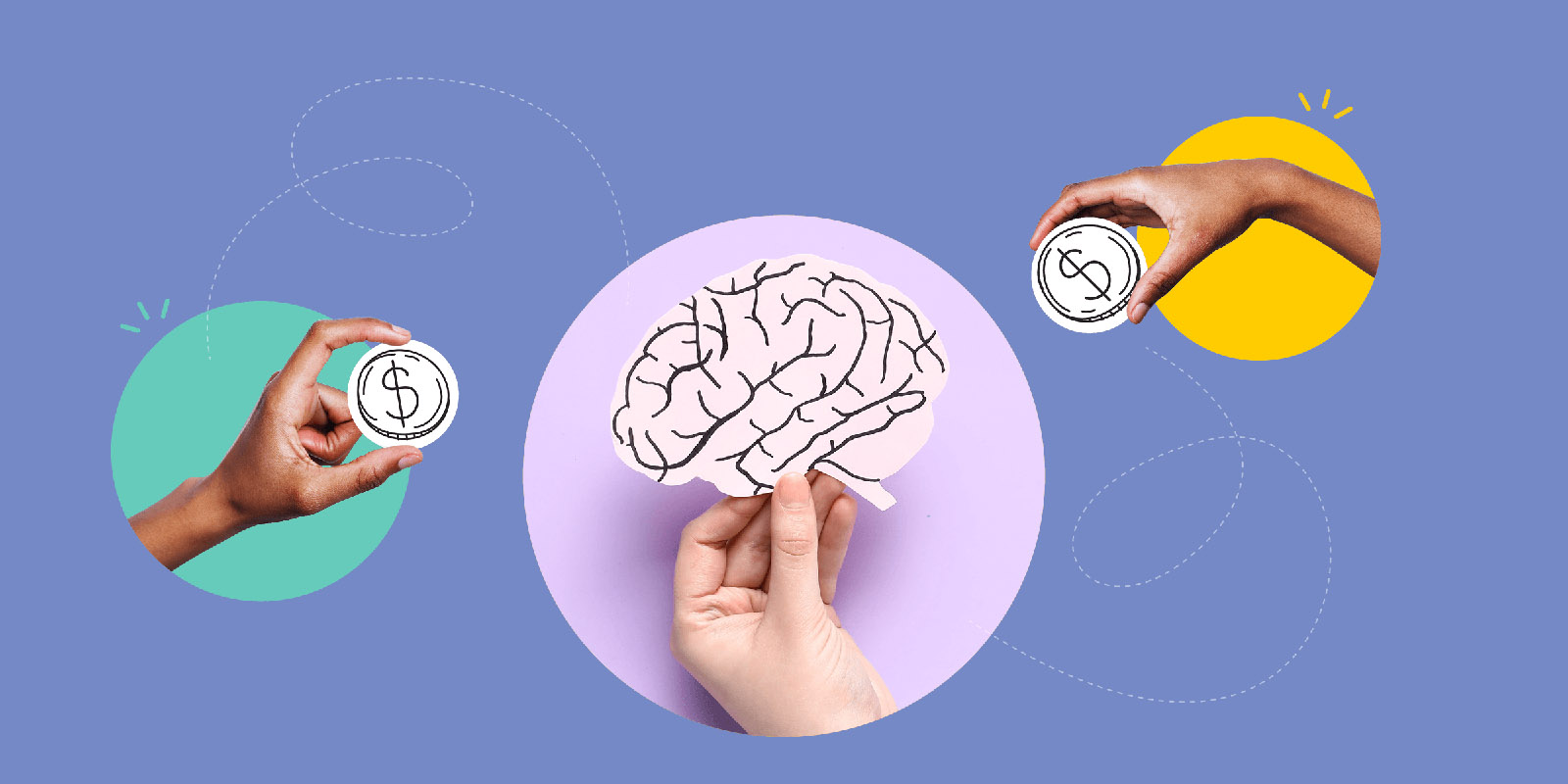
Even the best, most well-planned fundraising campaign can fall flat if it doesn’t strike the right emotional chord. You might have beautiful branding, compelling copy, and a well-timed launch, but if your audience doesn’t feel something—urgency, connection, pride, hope—they’re unlikely to make the leap from passive supporter to active donor.
Whether you’re launching a year-end campaign, hosting a themed fundraising auction, or rallying supporters during a pivotal moment in policy change, understanding the psychology behind giving can help your message resonate. People give not only because they believe in a cause but also because of the way you present that cause, which resonates with their emotions.
This guide will explore five psychology-driven tactics that nonprofits can use to make their donation appeals more effective by connecting authentically with donors, inspiring them to act, and building long-term loyalty.
1. Leverage the Power of Social Proof
Humans are innately social creatures. When we see others taking action, we instinctively assume it’s the “right” thing to do and are more likely to follow suit. This idea, known as social proof, is one reason peer-to-peer fundraising can be so effective.
To put this into practice, try:
- Highlighting widespread support. This can help create a subtle sense of belonging, urgency, and a “bandwagon effect” that encourages new supporters to join the movement.
- Showing donor activity in real time. Feature names and/or locations of recent donors on campaign pages, or add a rolling ticker showing progress to amplify momentum. This can be especially useful for live events, auctions, or corporate fundraising campaigns.
- Using testimonials strategically. Share short quotes from donors explaining why they give to inspire others to do the same across emails, mailers, social media, or event signage.
Social proof works best when it’s authentic, not staged. Showcase genuine stories and real numbers so potential donors feel like they’re joining an active community.
2. Create a Sense of Belonging
Donating to a cause is more than just a financial transaction; it’s an expression of a person’s beliefs. As such, people are more likely to give when they feel connected to your mission and the community around it. This is especially true for advocacy groups, grassroots organizations, and rights-based nonprofits, where shared values and solidarity are central to the cause.
Here are ideas to build a sense of belonging:
-
- Use inclusive language. Your appeals should use words like “we” and “together” to help donors see themselves are part of the team and mission.
- Segment appeals. Use your data on donor demographics or interest areas to tailor messages to speak directly to those identities. For example, environmental nonprofits might use different messaging for young climate activists and long-time conservationists.
- Strengthen the connection post-donation. Don’t let the donor experience end with a translation. Send a personalized thank-you note, share impact updates, and invite them to join community events.
When donors feel like they’re part of something bigger than just assisting an organization, their commitment and belonging to the cause deepen.
3. Use the Rule of Reciprocity
One of the simplest, but more powerful, psychological principles in fundraising is reciprocity, or when someone receives something, they feel inclined to give back. The key is to offer the volunteer or donor value upfront—genuinely and in alignment with your mission—so the act of giving feels less transactional. Get started with these ideas:
- Offer something useful before making an ask. This could be a downloadable resource, impact report, video, or personal note from a staff member. These small things can make a big impression.
- Offer behind-the-scenes access. Invite donors to tour your office or facility, meet beneficiaries, or attend a Q&A session with nonprofit leaders. These experiences build trust and help deepen investment.
- Host appreciation events. A casual thank-you gathering, a donor-exclusive webinar, a round of golf, or a simple coffee meetup can foster a great deal of goodwill.
- Include a thoughtful follow-up gift. Personalized thank-you videos, cause-themed keepsakes, photos of impact, or an event-specific gift can provide a lasting positive impression of your organization.
Reciprocity typically works well because it shifts the donor’s mindset from being asked to do something to responding to a gesture.
4. Keep it Simple
For most people, the easier something is to understand, the more trustworthy, genuine, and appealing it seems. The same is true for donation appeals, where complexity is the enemy of action. Overcomplicated messages or crowded visuals can make people hesitate, or worse, navigate away completely.
Streamline your appeals by:
- Using plain language. Avoid jargon or overly technical terms. If a 10-year-old wouldn’t understand it, rewrite it.
- Limiting choices. While it can be tempting to offer a dozen (or more) giving levels on forms and donation pages, too many options can overwhelm potential donors. A simple set of three to five tiers, with a “custom amount” option, often converts better.
- Using simple design. Use white space in your layouts so key information stands out. Avoid overwhelming visuals and graphics and competing calls-to-action.
- Making accessibility a priority. Ensure your website and donation forms meet accessibility best practices, including clear navigation, legible fonts, and alt text for images.
5. Let AI Help You A/B Test Faster
Use AI tools to help you analyze donor behavior patterns and quickly identify which messaging, visuals, and formats are most effective and will best resonate with your audience. This means you can iterate and optimize faster, which is crucial during time-sensitive campaigns.
Here’s how you can put AI to work in your donation appeals:
-
- Test subject lines. AI can generate and evaluate multiple subject line options, then suggest the one most likely to earn opens based on historical performance.
- Experiment with urgency and benefit framing. See which version, “Donate by midnight to double your impact” or “Your gift today helps feed 50 families,” drives more clicks and conversions.
- Personalize content for audience segments. Use AI to help match the right message to the right donor segment, predicting how they’ll respond to psychological triggers.
- Analyze visuals. Some AI tools can identify which colors, layouts, or images will perform best for your audience. Just be sure they fit in with your nonprofit’s branding.
It’s important to note that AI isn’t perfect. It can make errors or generate suggestions that don’t match your nonprofit’s tone or brand. Always review its work to ensure your final messages reflect your nonprofit’s authentic voice and values.
Conclusion
Psychology-driven fundraising isn’t meant to trick people into giving; it’s designed to align your appeals with the ways humans think, feel, and make decisions. When you combine these principles with genuine storytelling and transparency, you can create campaigns that feel good for donors and make a real impact for your cause.
For nonprofits working in advocacy, equity, or civic change, this authenticity is non-negotiable. Donors are choosing to trust your nonprofit with their resources, time, and emotional investment. By understanding what motivates them and respecting that trust, you’ll build stronger relationships, inspire greater generosity, and move your mission forward.