Capital Campaign Website for U.S. Navy Seabees
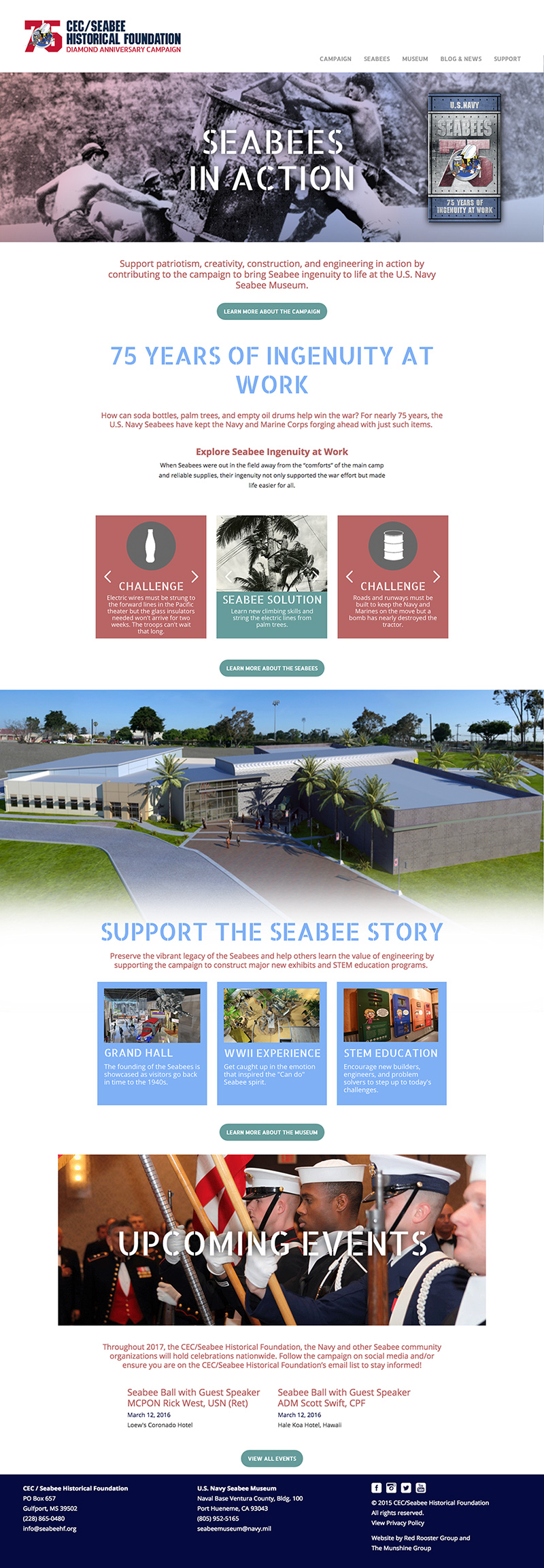
Seabee Homepage

CLIENT: U.S. Navy Seabee Historical Foundation

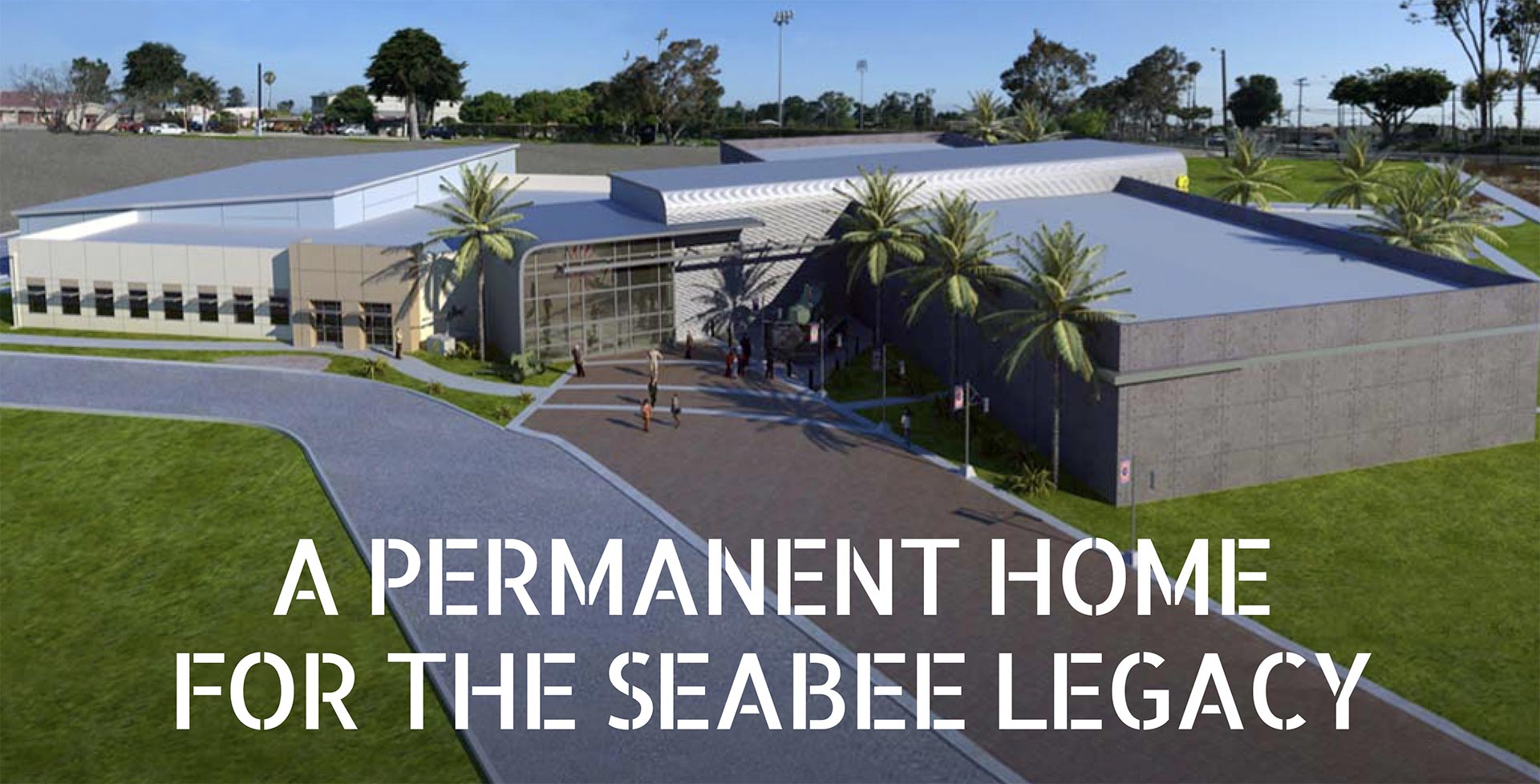
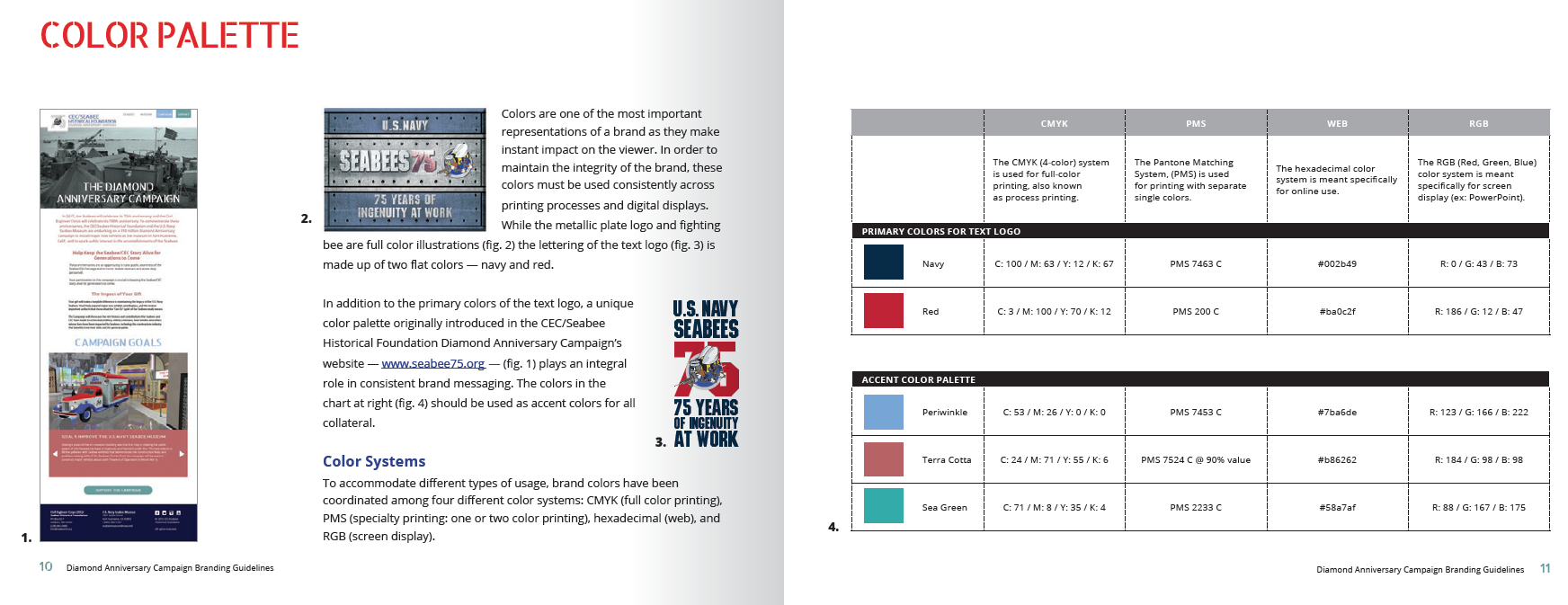
We developed this website as part of a $10 million capital campaign to preserve the legacy of the U.S. Navy’s construction battalions. Our approach for the website was to invite potential donors to explore the Seabees’ ingenuity while learning about the campaign, and the specifics of the museum. The website also describes the campaigns goals and shows mock ups of the exhibits to be created with donor funding. The blog features stories by famous Seabees such as football star Dick Butkus, and Fedex founder, Fred Smith.

Capital Campaign for U.S. Navy Seabee Museum

U.S Navy Seabees

Capital Campaign for U.S. Navy Seabee Museum

$10 Million Campaign

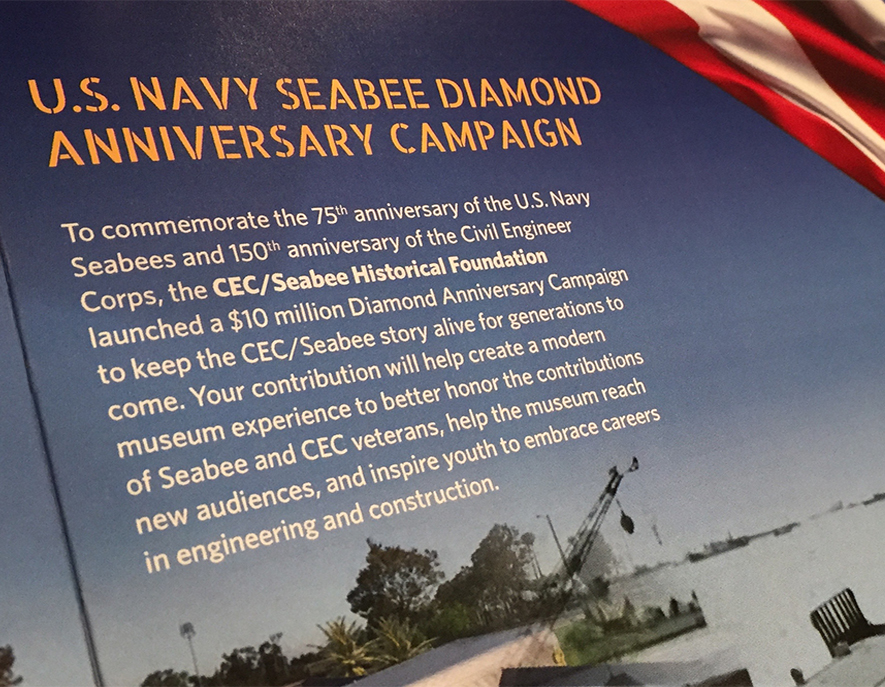
To preserve the legacy of the U.S. Navy’s construction battalions, the CEC/Seabee Historical Foundation conducted a $10 million capital campaign to fund state-of-the-art exhibits at the U.S. Navy Seabee Museum in Port Hueneme, CA.

Services

  • Competitive Analysis & Campaign Strategy
  • Campaign Theme
  • Core Fundraising Messaging
  • Campaign Identity & Logo System
  • Digital Assets & Style Guide
  • Campaign Website
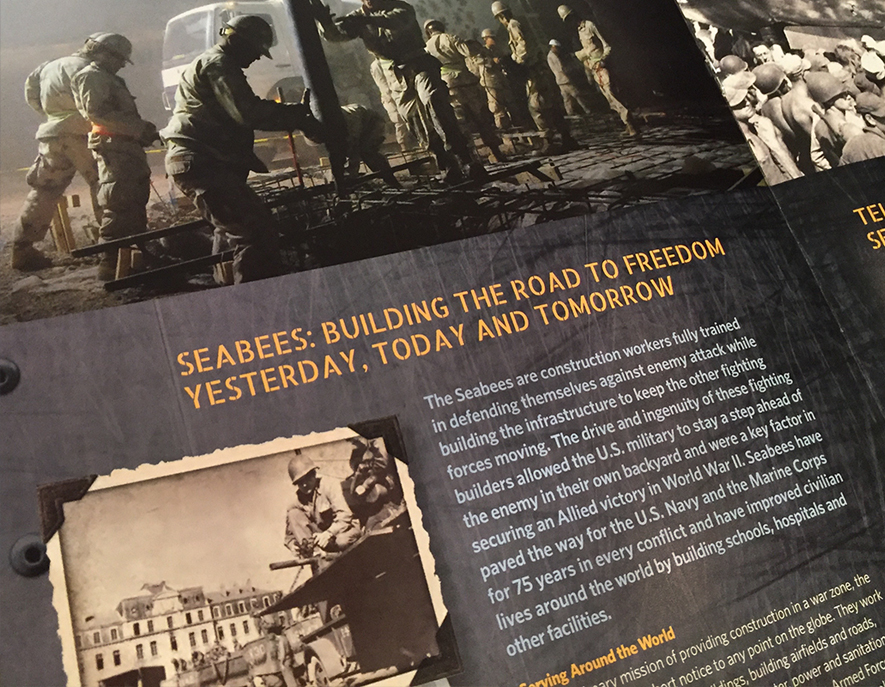
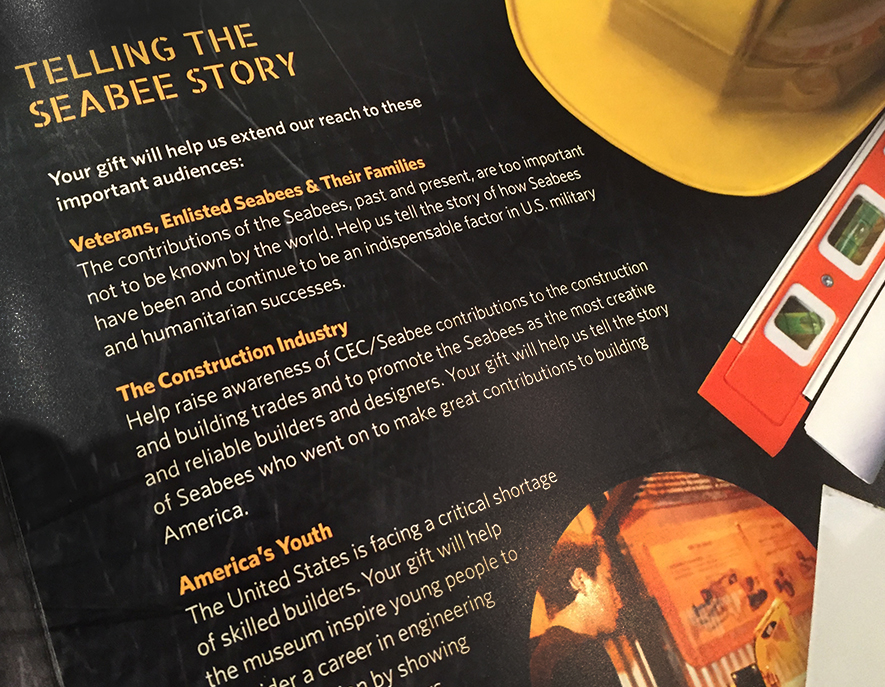
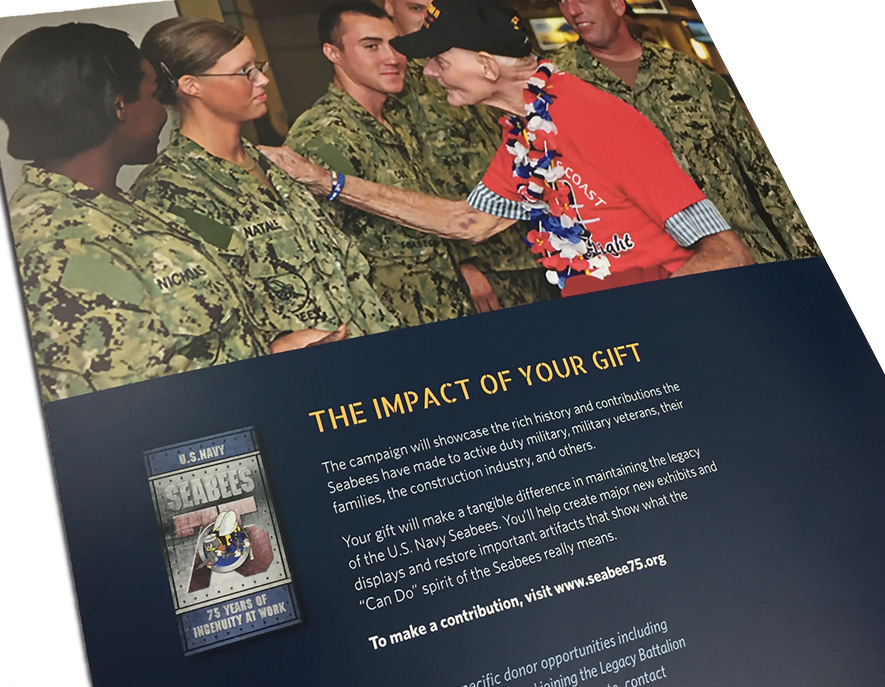
  • Campaign Brochure

The Challenge

A Campaign That Had Stalled — and a Donor Base That Had Shrunk

The CEC/Seabee Historical Foundation had an ambitious goal: raise $10 million to fund state-of-the-art exhibits at the U.S. Navy Seabee Museum in Port Hueneme, CA. But the campaign needed more than a refresh. It needed to expand beyond its existing donor base of military veterans and their families to reach the construction and engineering industries, STEM educators and students, and the broader public. Without a compelling story that could speak to all of them, the campaign would keep fishing in the same small pond.

The Insight

What Makes the Seabees Different From Every Other Military Branch

We started with a competitive analysis of military and institutional capital campaigns. The question was simple: what makes the Seabees a cause worth supporting that no other campaign can claim?

The answer was in the stories.

On Iwo Jima, Seabees solved the problem of a hidden enemy patrol by pumping 500,000 gallons of water into their cave.

A Seabee got his engine running again by building a working condenser from tinfoil stripped off cigarette packs, waxed paper from a fruitcake box, and a discarded beer can.

In the field, Seabees converted 55-gallon drums into sewer pipes, roofing material, canoes, bathtubs, and solar-heated showers.

No other branch had stories like these. The Seabees didn’t just fight — they invented, improvised, and engineered their way through every obstacle.

Messaging Strategy

The Insight That Unlocked the Campaign

That pattern of solving impossible problems with whatever was at hand became our strategic foundation. It wasn’t just military valor. It was the same creative problem-solving that drives modern engineering, powers the construction industry, and defines what we want STEM education to produce.

Ingenuity was the thread that could connect a Seabee veteran to a construction executive, a museum donor to a high school student considering a career in the trades. It gave the campaign a story bigger than its history — and an audience far larger than its traditional base.

Campaign Theme & Identity: 75 Years of Ingenuity at Work

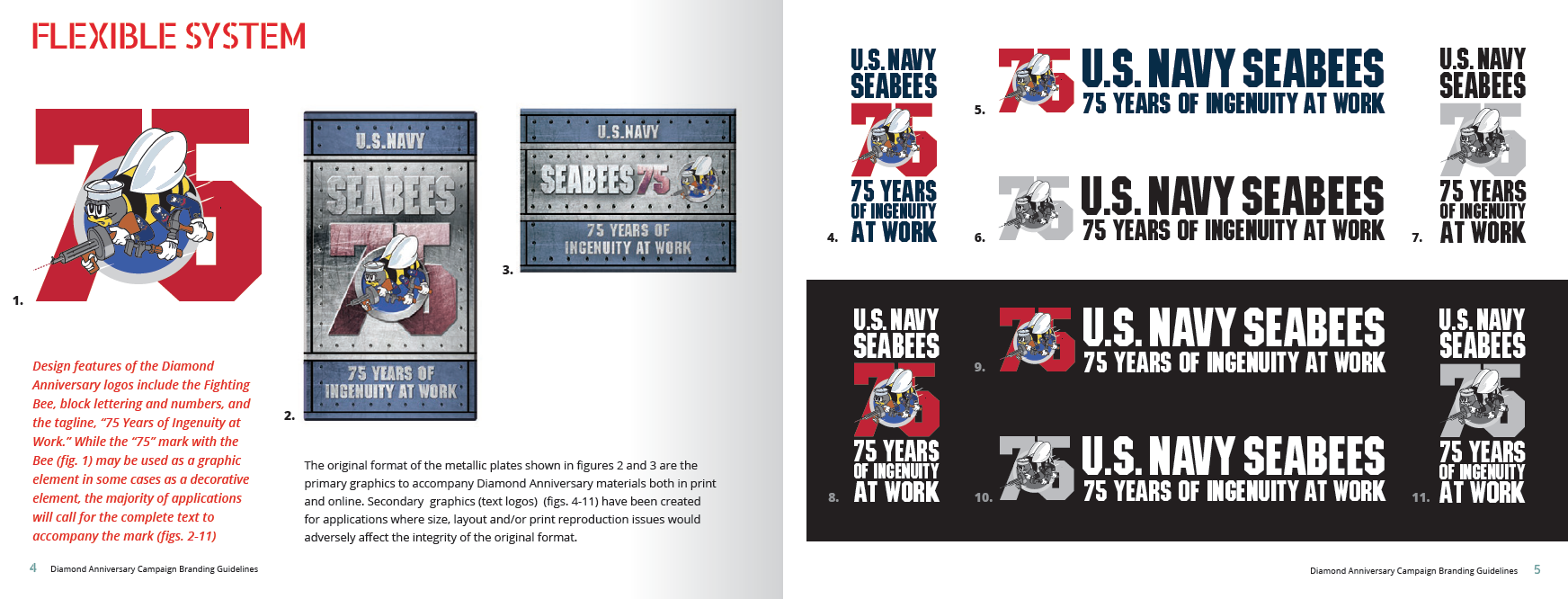
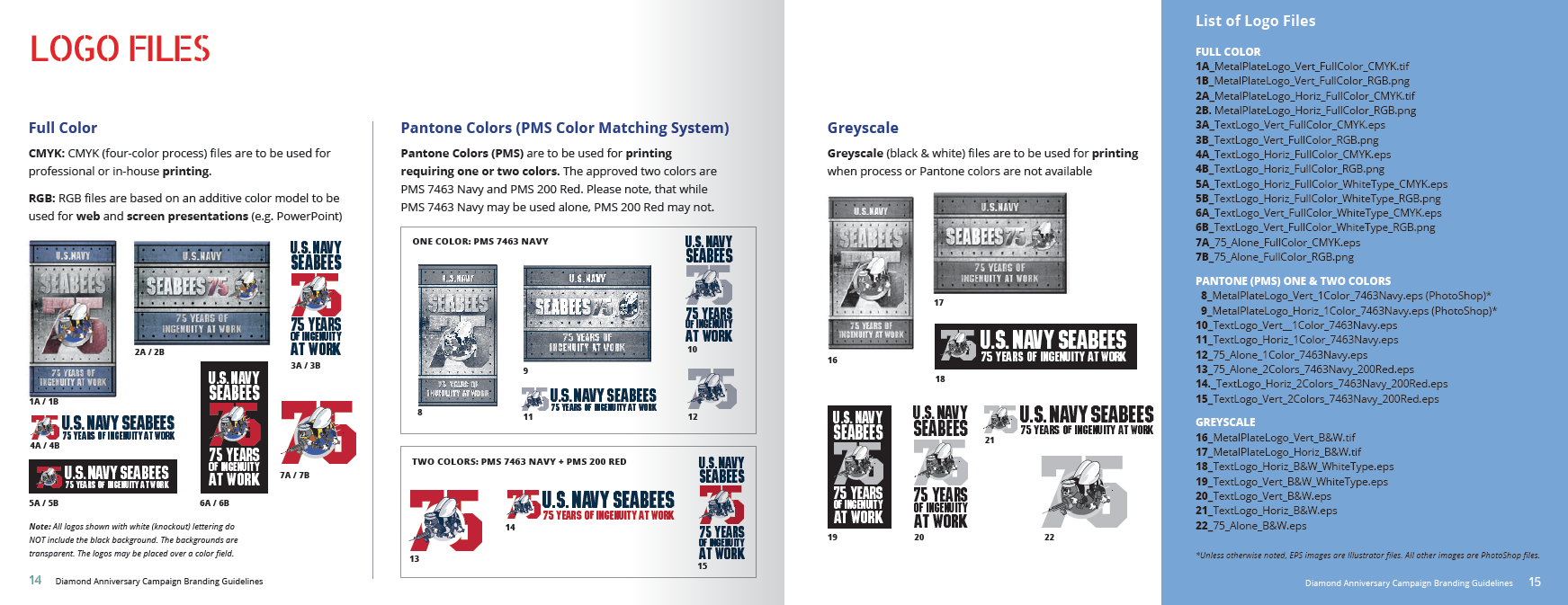
The theme we developed — 75 Years of Ingenuity at Work — anchors the campaign in the Seabees’ diamond anniversary while making their legacy relevant to audiences who may never have heard of them. The campaign logo and visual identity system were built around that idea: flexible enough to work across print, digital, and event materials, consistent enough to build recognition across a long campaign. We delivered a complete style guide with all assets so the Foundation’s team could execute independently across every fundraising touchpoint.

Seabee Brand Manual 1
Seabee Brand Manual 2
Seabee Brand Manual 3

A Website That Pulls Donors Into the Story

The campaign website was designed to do more than present information — it invites visitors to explore the Seabees’ ingenuity before ever asking them to give. Prospective donors learn who the Seabees were, what the museum represents, and specifically how their contribution will transform the visitor experience. The site gives every audience segment — veterans, industry leaders, educators, and first-time visitors — a reason to care.

Seabee Homepage

A Brochure Built on Action Design Principles

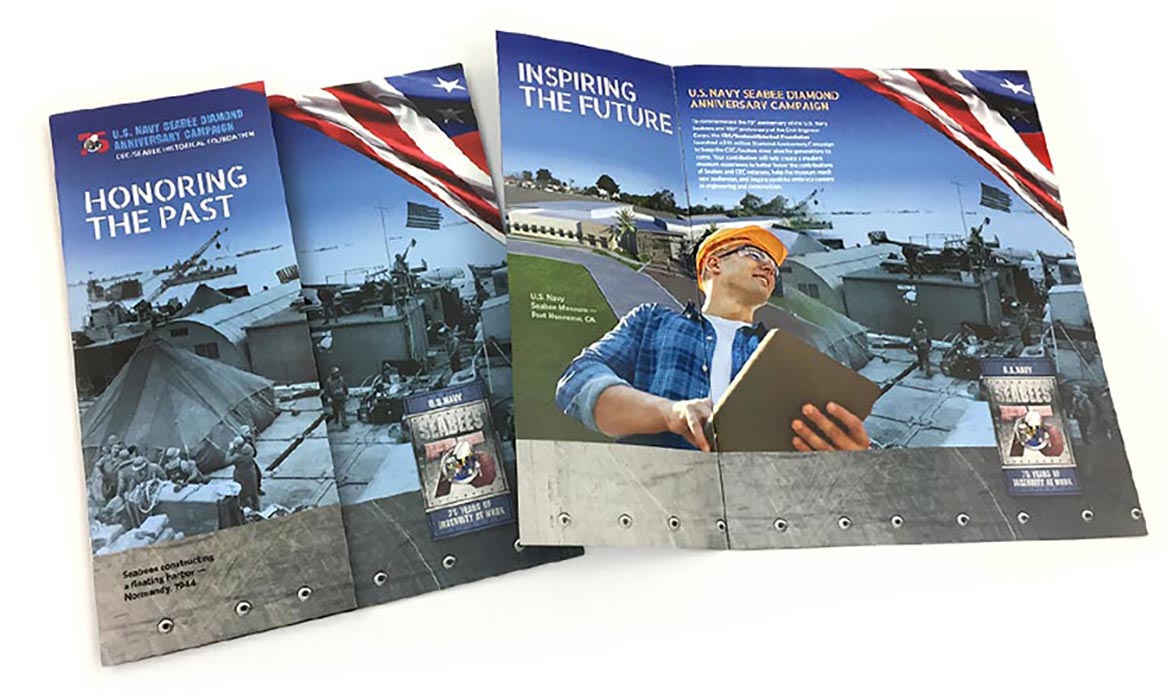
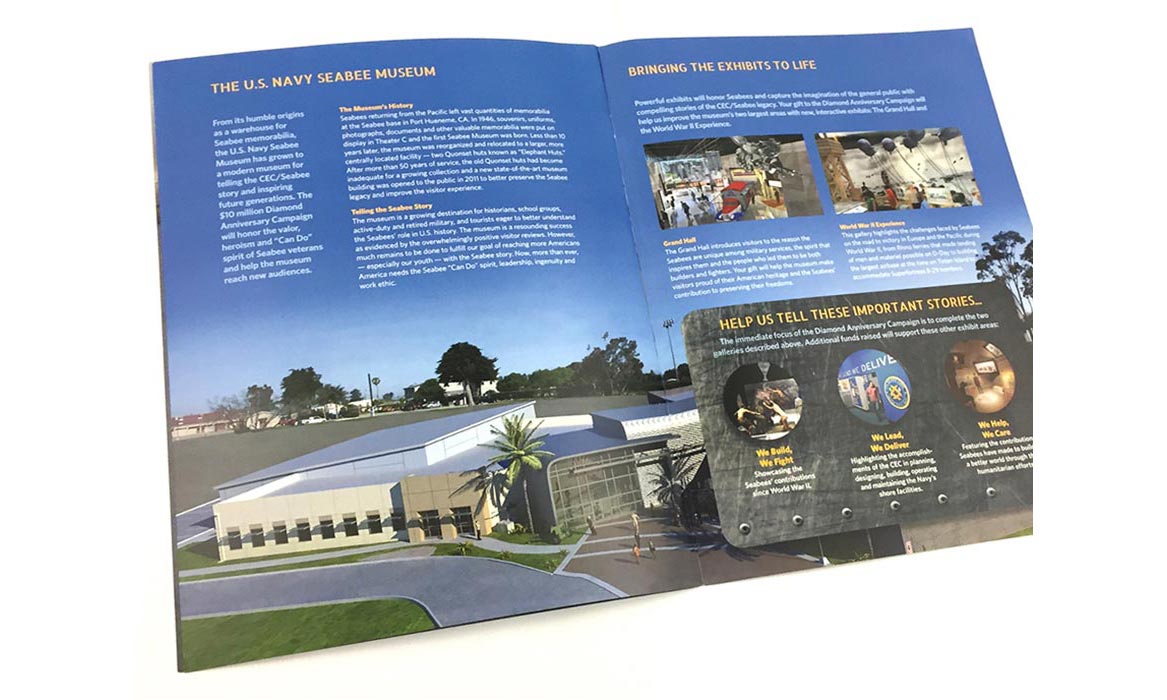
The campaign brochure was crafted using Action Design — a framework for moving readers from awareness to commitment. Rather than leading with need, it leads with identity: the pride military families feel in service, the relevance of Seabee skills to today’s workforce, and the power of the museum to inspire the next generation of engineers and builders. It makes the case that preserving the Seabees’ story isn’t nostalgia — it’s an investment in the future of American innovation.

Seabees Brochure
Seabees Brochure
SeabeeBrochure_2
SeabeeBrochure_3
SeabeeBrochure_4
SeabeeBrochure_6

A Legacy Preserved. A New Generation of Supporters Engaged.

The 75 Years of Ingenuity at Work campaign gave the Foundation the tools to tell a story that had never been told quite this way — and to tell it to audiences who had never heard it. By anchoring the campaign in the Seabees’ defining trait rather than their military history alone, we helped the Foundation move beyond its traditional donor base and make the case for a museum that belongs not just to veterans but to anyone who believes in American ingenuity, skilled labor, and the people who build things that matter.

To give the campaign lasting momentum, we built a communications strategy around the voices of core donors — Seabee veterans and their families, alongside business and industry leaders who connected with the mission. Their stories became the campaign’s most powerful fundraising tool, demonstrating the breadth of the Seabee legacy and the range of people it inspired.

The campaign website anchored the ongoing storytelling with a blog that kept the campaign alive between solicitations, featuring new Seabee stories, donor spotlights, and updates on the museum’s progress. It gave supporters a reason to stay engaged, share the campaign with their networks, and see themselves as part of something larger than a single gift.

Giving Voice to the Secular Community

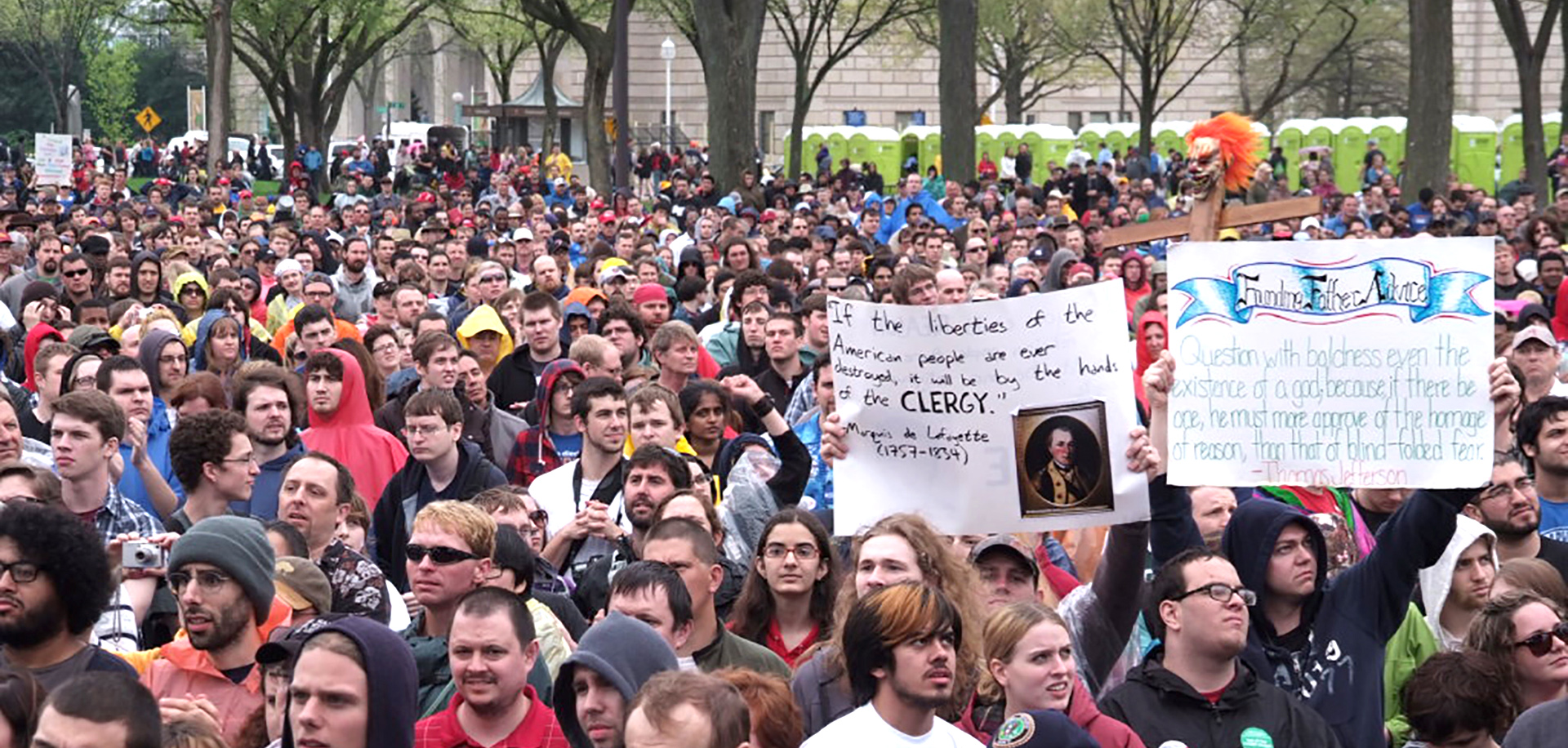
Reason Rally

Reason Rally

Giving Voice to the Secular Community

How do you get society to take a marginalized demographic seriously? Frame the message in a way that appeals to a wide audience. That’s what Red Rooster Group did to promote Reason Rally 2016 at the Lincoln Memorial, the largest secular humanist and atheist gathering in the United States, produced by a coalition of 22 organizations.

Services

  • Brand Positioning & Strategy
  • Messaging
  • News Releases
  • Articles
  • Advertising
  • Collateral Design
  • Website Design
  • Coordination of Coalition Members
  • Public Relations Support

THE CHALLENGE: Shifting the Tone

The first Reason Rally was an occasion for people to celebrate their non-theism. It had generated mostly negative headlines in the mainstream press about “godless” people. The goals for Reason Rally 2016 were to galvanize more people — not just atheists — to the cause of separation of church and state, and to remove the stigma associated with not believing in god.

THE ISSUE: The Unaffiliated Are on the Rise

Non-believers are on the rise, and facts — not faith — are becoming more important to voters. A 2015 Gallup Poll found that among those between the ages of 18 and 24, 31% claim no religious affiliation. In the 45-49 age group, 16% are unaffiliated. A Pew study found that almost half of American adults do not care if a presidential candidate is an atheist. We developed the PR campaign to bring these facts to the attention of the media and elected officials.

THE SOLUTION: Framing the Message in a Positive Way

Red Rooster Group came up with the theme “Speak Up for Reason!” and positioned the rally as a “Voter Block Party” to emphasize the political clout of this demographic.

A Robust Public Relations Campaign

  • Website showcasing the inclusive message, roster of speakers, rally schedule, activities such as Advocacy Day, and DC trip planning information.
  • News releases showcasing the growth of the unaffiliated/atheist population in the U.S. as well as the important of separation of church and state.
  • Social media messages tying into current events.
  • Weekly conference calls made sure that everyone was on message for the next week.
  • Articles and blogs for coalition members to use in their publications.
  • Digital advertising for social media and websites.
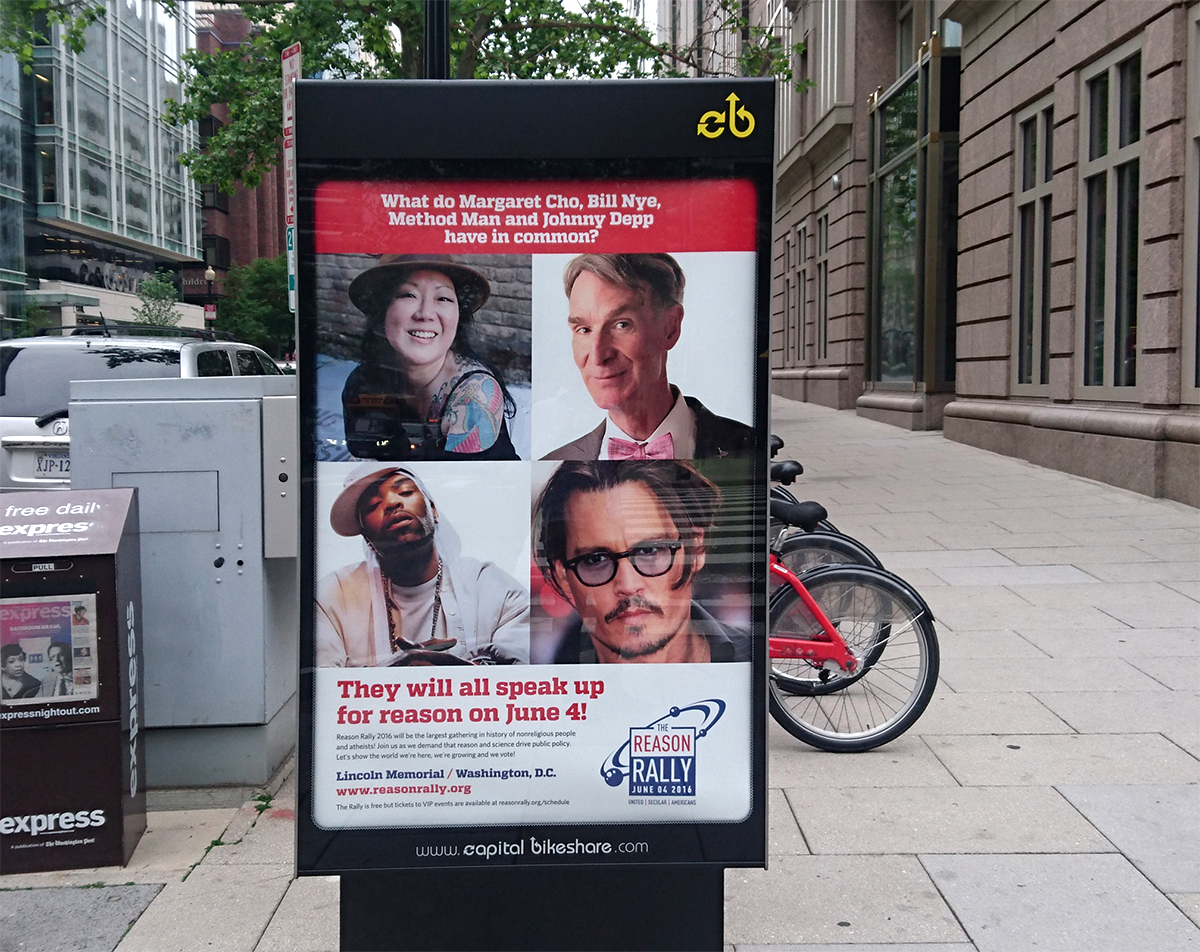
  • Outdoor advertising in Washington, DC.
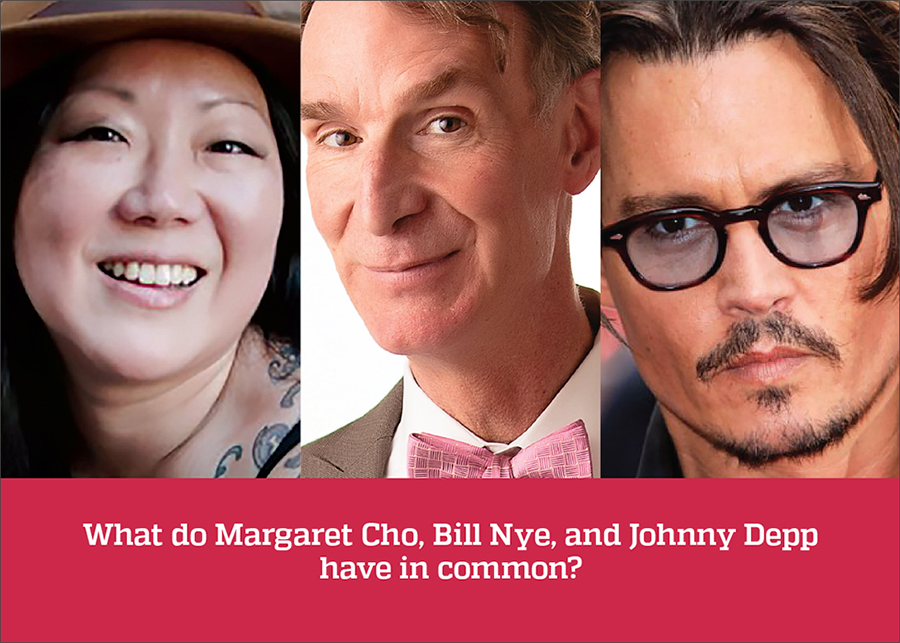
Reason Rally Postcard Front
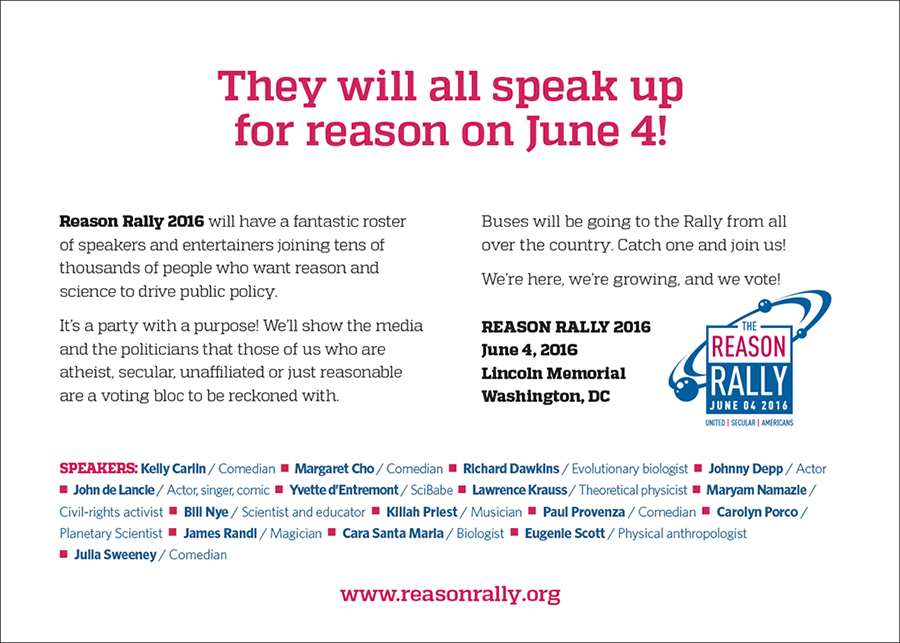
Reason Rally Postcard Back
Bike Stand Ad Photo
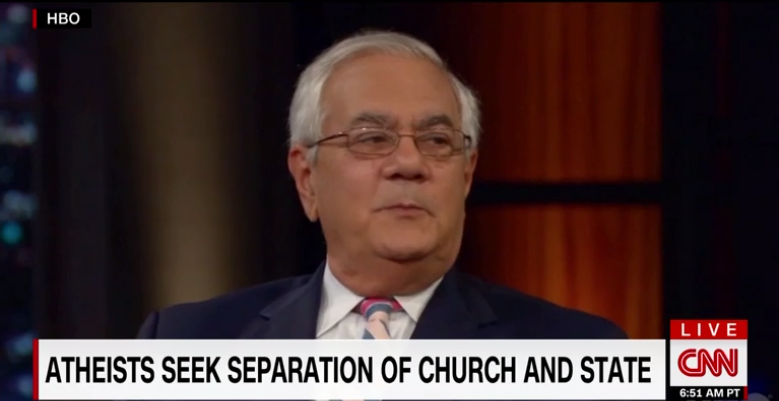
Barney Frank on CNN
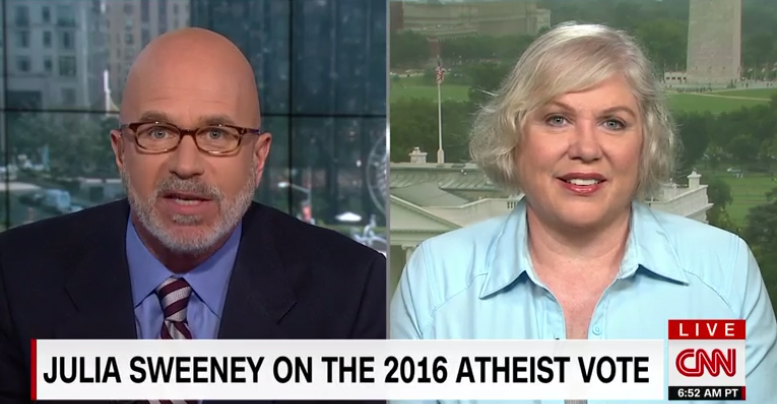
Julia Sweeney on CNN

THE RESULT: A Positive Change in Coverage

Reason Rally 2016 was covered by major media as a gathering of voters, instead of “godless” people. The message that secular voters are a growing, reasonable segment of the population was reinforced by all media coverage. After the event, the message continued as bloggers opposed to non-theism discussed how to deal with the growing number of secular Americans.

The coverage changed from the dismissive Fox News report on the 2012 Rally to Fox’s  on-message report in 2016 and on-site coverage by CNN, resulting in positive news coverage and successful reframing of the message about this demographic.

Red Rooster Group was supported by Sayles & Winnikoff Communications for media outreach and speaker coordination services.

“We looked at quite a few PR firms for Reason Rally 2016, but Red Rooster Group went far beyond the others in learning about our organization, the larger community we work within, and our project. They set a strategy for the communications that not only appealed to our own community, but engendered support from allies and even those with whom we haven’t typically seen eye-to-eye. Their website redesign was efficient and beautiful, while still being easy for my staff to use. They helped us get unprecedented media coverage with a consistent, positive message. All this was made even better due to their staff’s fun, engaged, and friendly working relationship.”

— Lyz Liddell, Executive Director

New Message & Brochure Positions Disabilities Organization for Success

Positioning a Disability Organization for Success

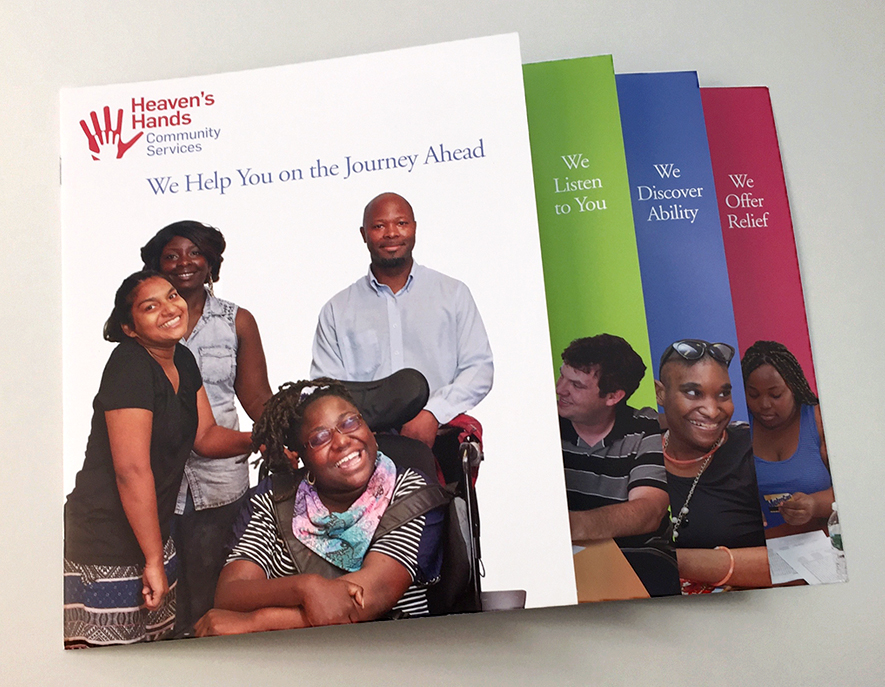
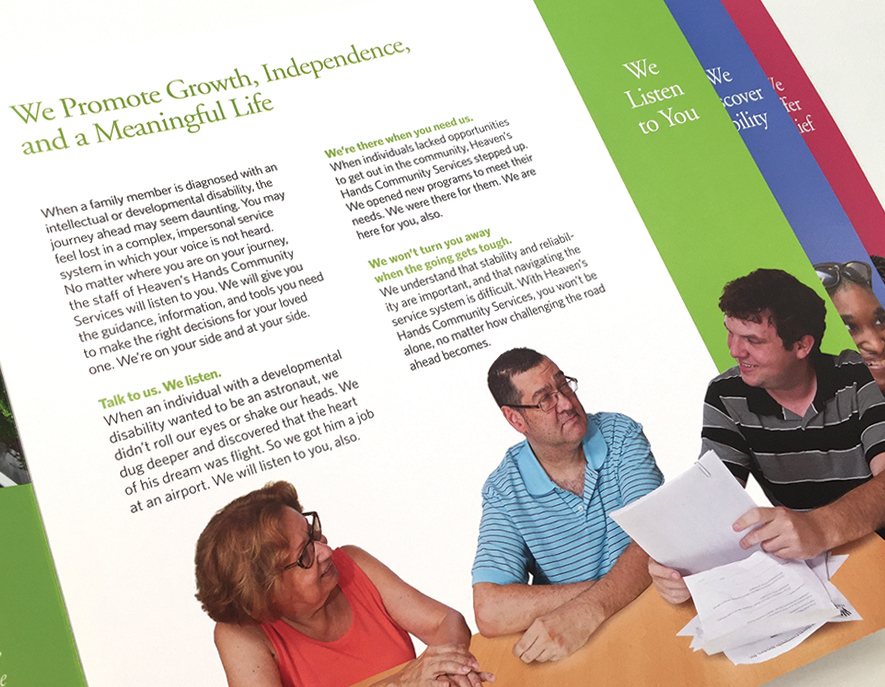
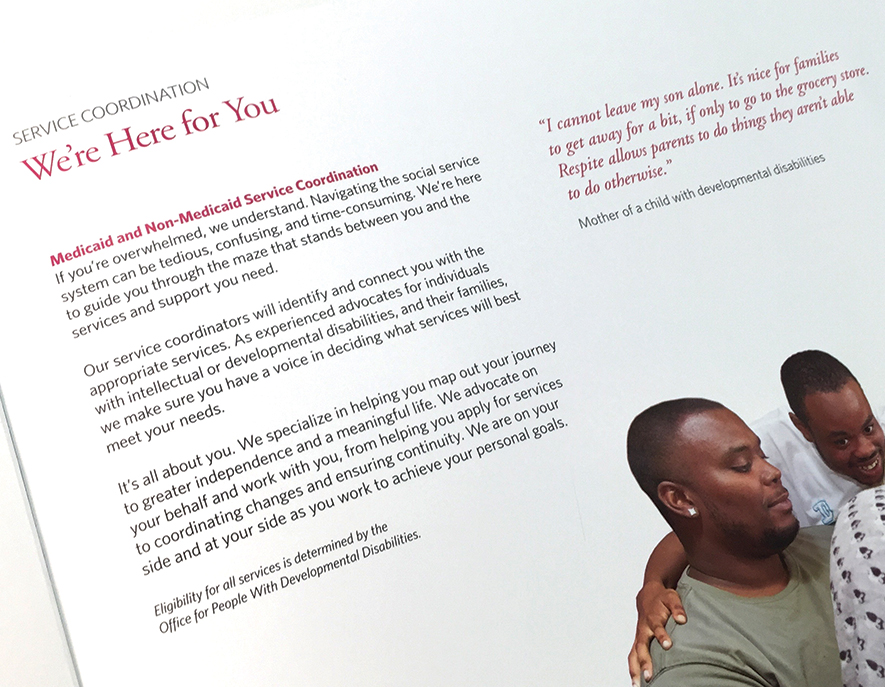
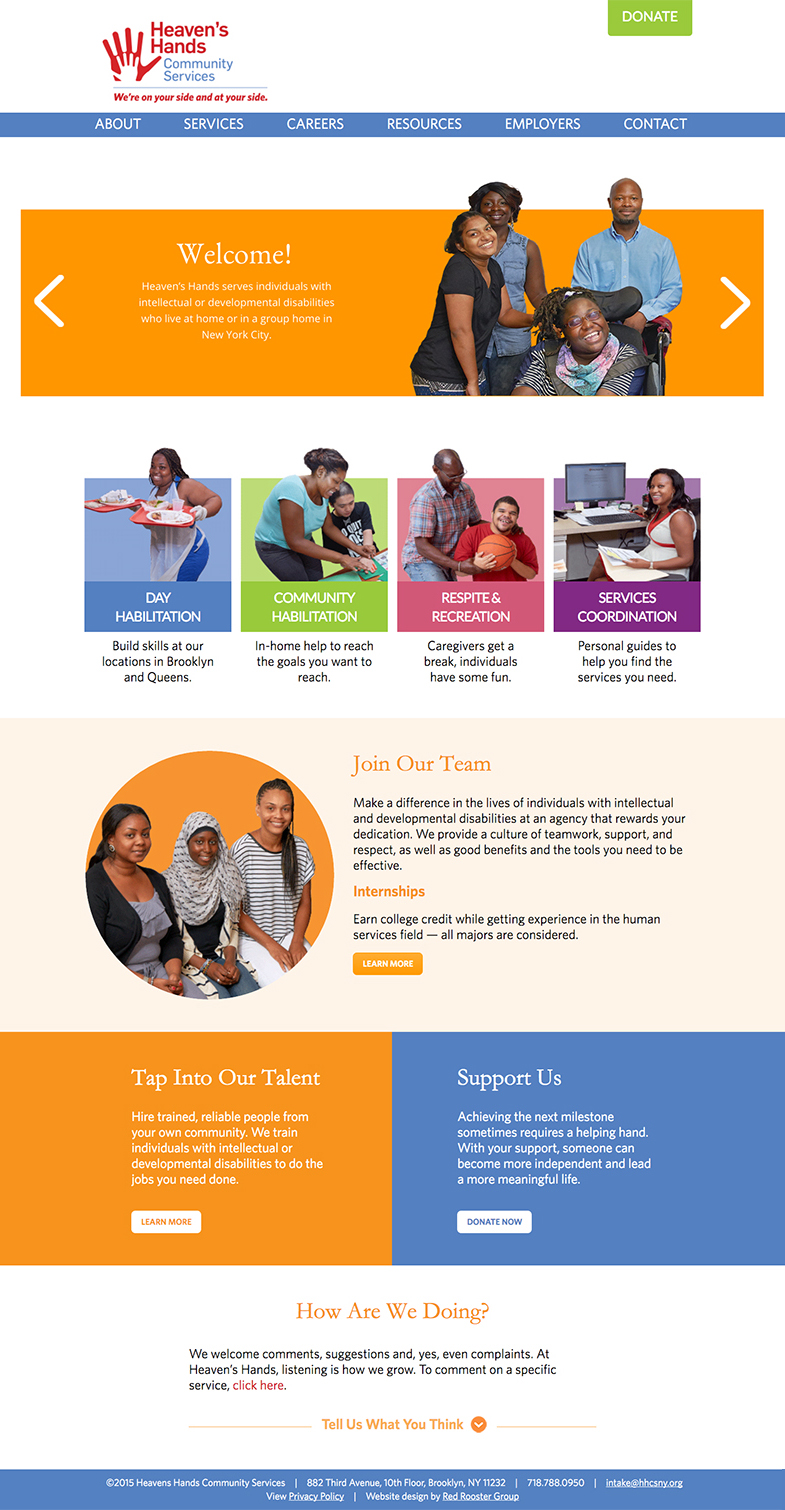
Heaven’s Hands Community Services had grown to encompass a full spectrum of services for the developmentally disabled. It needed to tell its story better in order to reach more families and attract new funding. Red Rooster Group developed a brand strategy and message that highlighted the agency’s uniqueness. We developed a new website, created a suite of brochures, and trained staff to connect with their audience on a deeper level. The result was a shift in the way the agency markets itself and a new standard for marketing services for people with disabilities.

Heavens Hand Brochure Cover
Heavens Hand Brochure
Heaven’s Hands Home

“When I hired Red Rooster Group, I thought we would have a meeting and talk about our mission, vision, and what we wanted, and then a month and a half later, we’d get the product. Instead, you drilled down, asking questions to learn more about all aspects of our services. The process has been time-consuming, but now I understand why. It has resulted in brochures and a website that I’m very proud of — it is really, really good stuff!”

— Lorenzo Brown, Executive Director

New Name, Logo & Brochure Launches New Venture

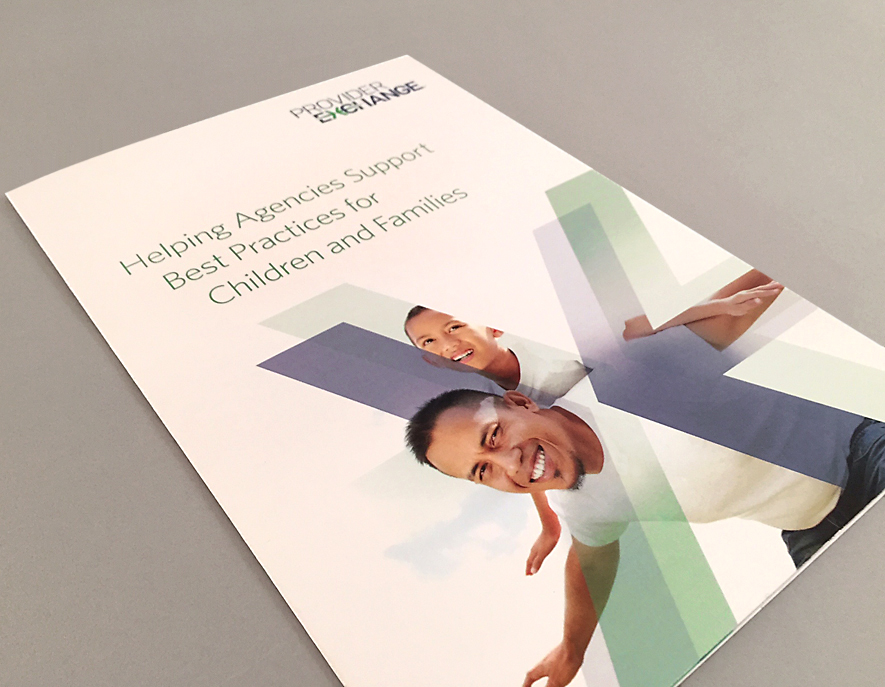
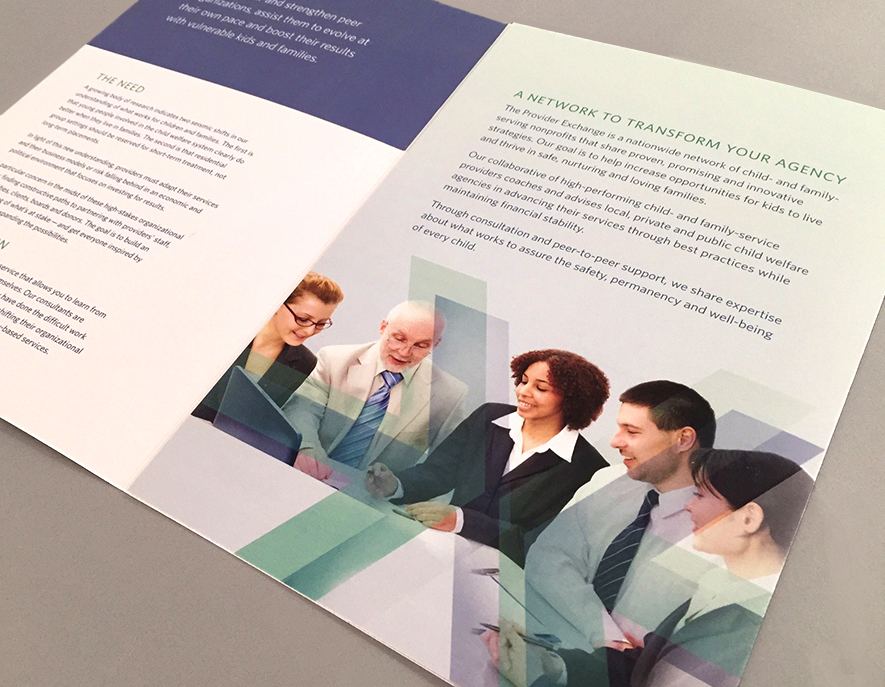
Provider Exchange Brochure
Provider Exchange 2 S
Provider Exchange 4 S

Client: Annie E. Casey Foundation

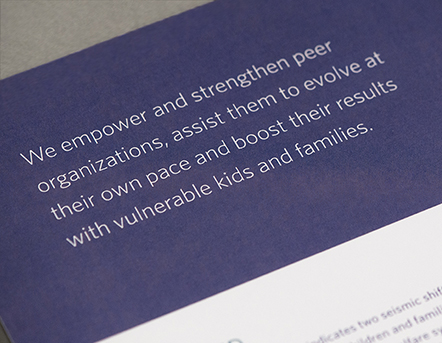
To help child welfare agencies implement best practices for youth aging out of the child welfare system, the Annie E. Casey Foundation started a project to help organizations learn from their peers.

Red Rooster Group helped to launch the initiative with research to identity insights for its success, messaging to describe this new model, naming the venture Provider Exchange, and creating the visual identity and marketing materials to appeal to audiences.

After a successful first year, the program is now serving a new cohort of organizations, including member agencies of Lutheran Services in America.


“Our partnership with the Provider Exchange® provides technical assistance on models of care and strategies that truly make a difference in the lives of older youth. We are excited about the learnings that will come from this group and the opportunity to share these findings more broadly with our members and the Harvard Kennedy School.”

— Charlotte Haberaecker, President, Lutheran Services in America


Read more about the process.

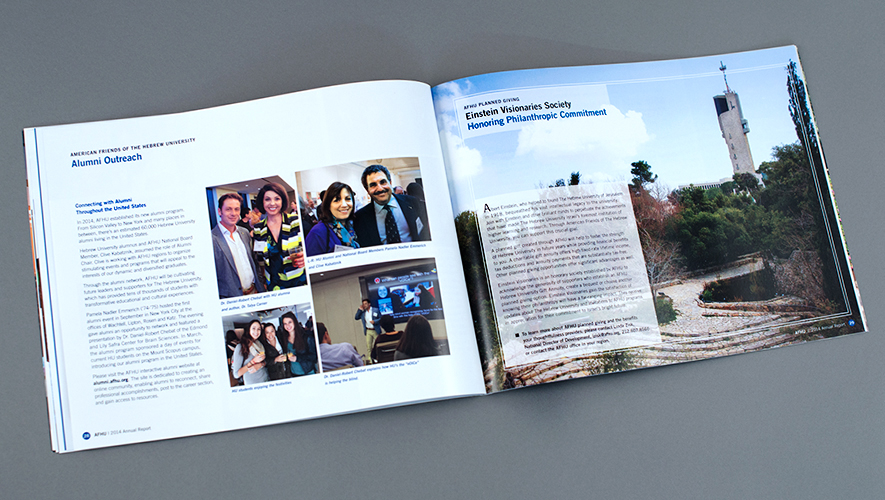
Annual Report Showcases University’s High Tech Accomplishments

AFHU Cover
AFHU Research Engine
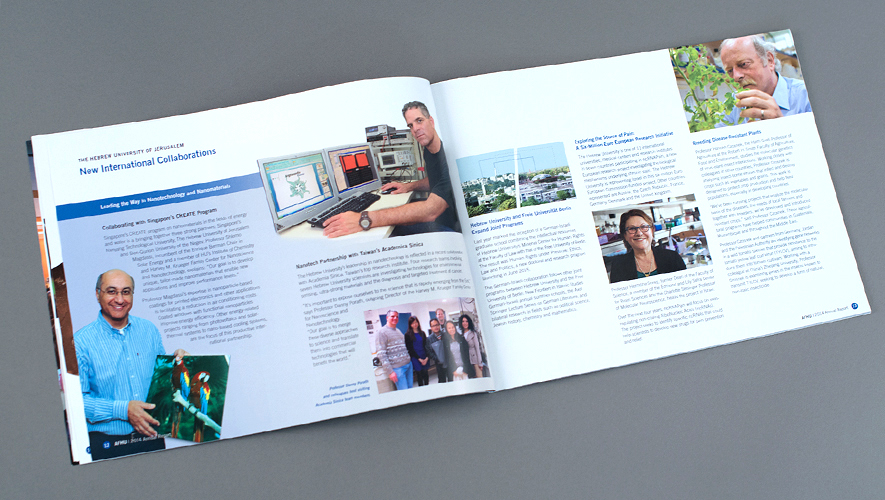
AFHU International Collaborations
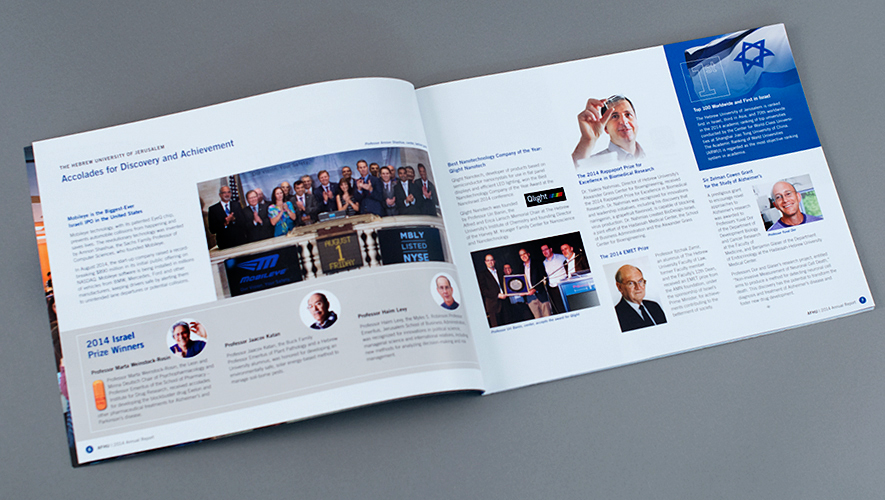
AFHU Accolades
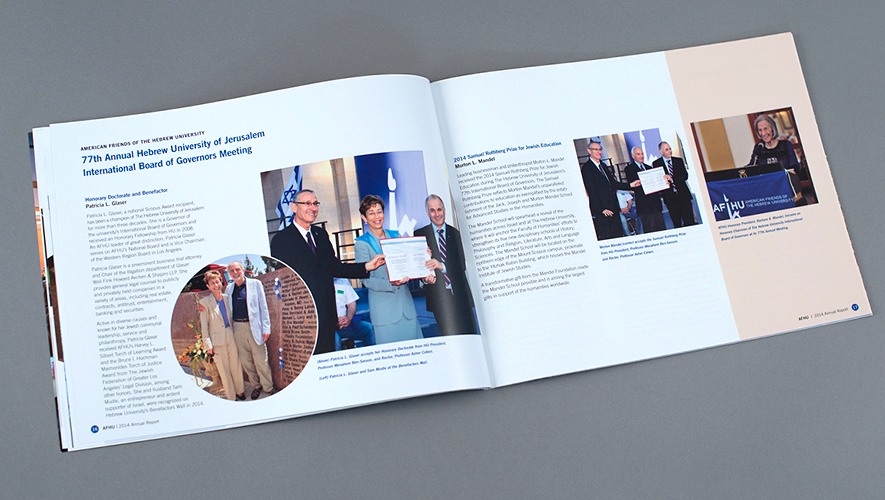
AFHU Board of Governors
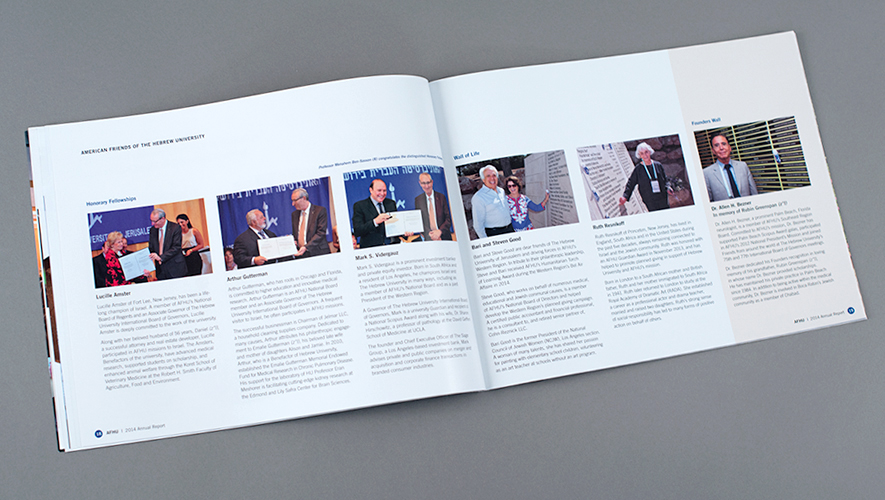
AFHU Headshots
AFHU Alumni
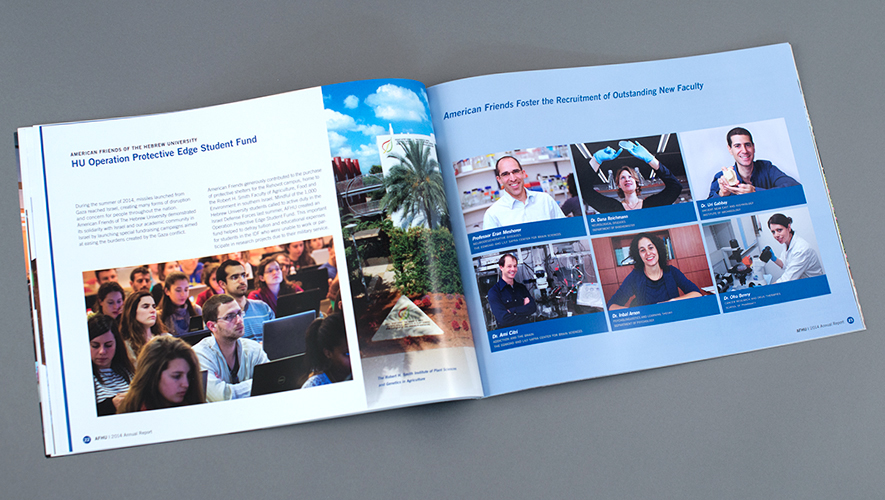
AFHU Operation Protective Edge

Client: American Friends of the Hebrew University

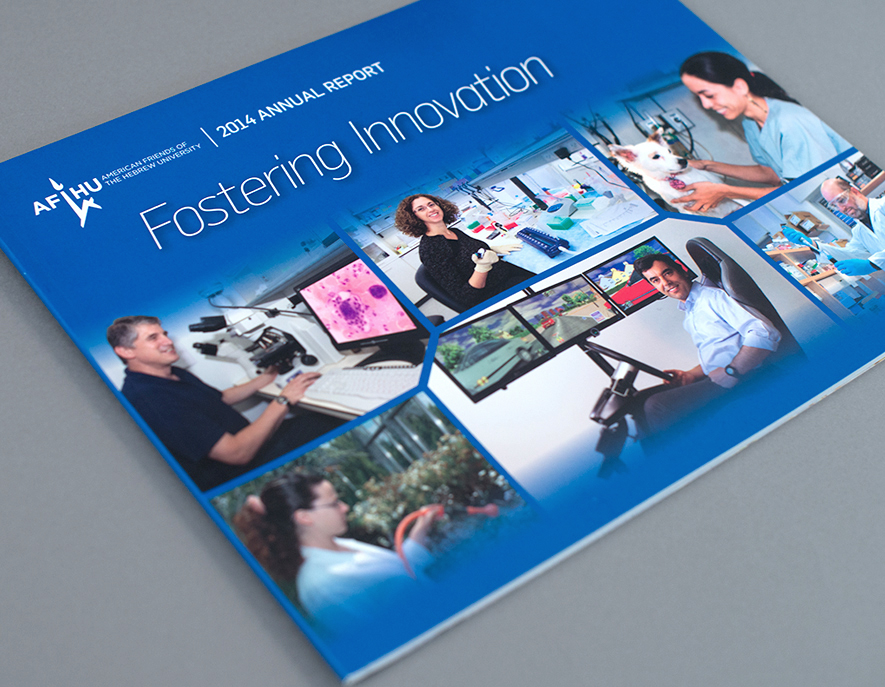
2014 Annual Report

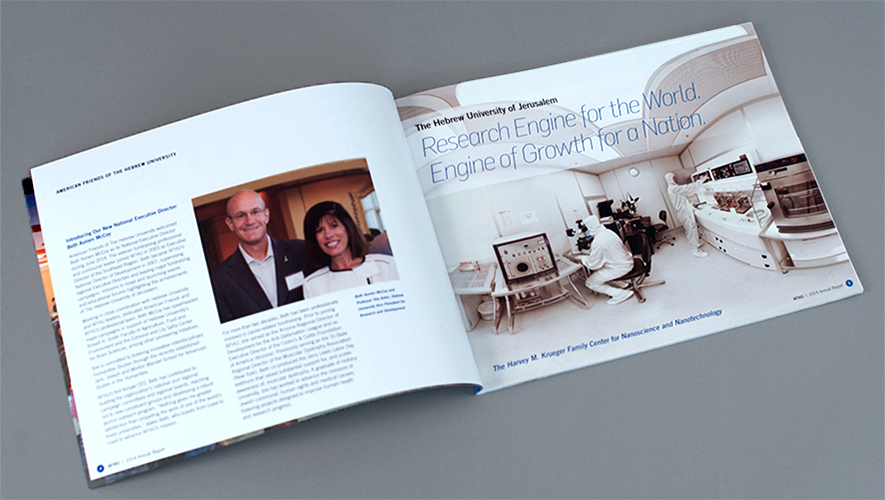
As the U.S. fundraising arm of the prestigious research university in Jerusalem, the American Friends of the Hebrew University uses its annual report as its key communications piece with donors. The 2014 annual report emphasizes the university’s innovation by showcasing research highlights in many areas, with a special emphasis on the university’s incubator that brings concepts to market. The report also recognizes donors and how they help foster the recruitment of new faculty, as well featuring other university accomplishments. This is the third annual report that Red Rooster Group has designed for AFHU.

Marketing Ideas & Presentation Promote Readathon

Readathon Header
Readathon
Readathon
Readathon
Readathon
Readathon
Readathon
Readathon
Readathon
Readathon
Readathon_Flyer

Client: Pratham USA

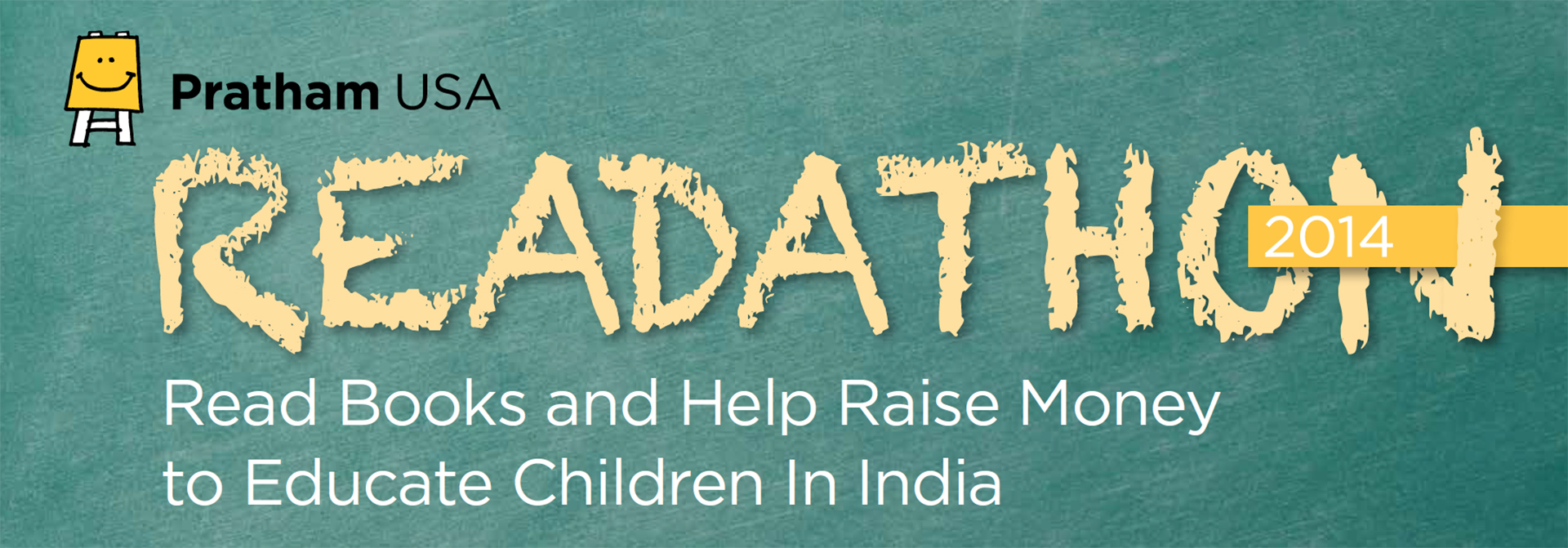
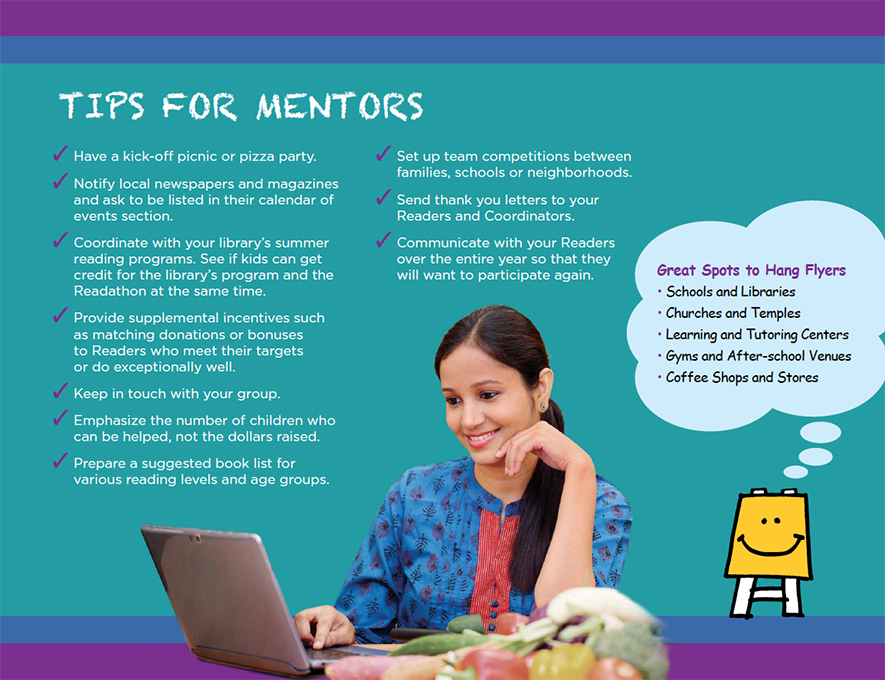
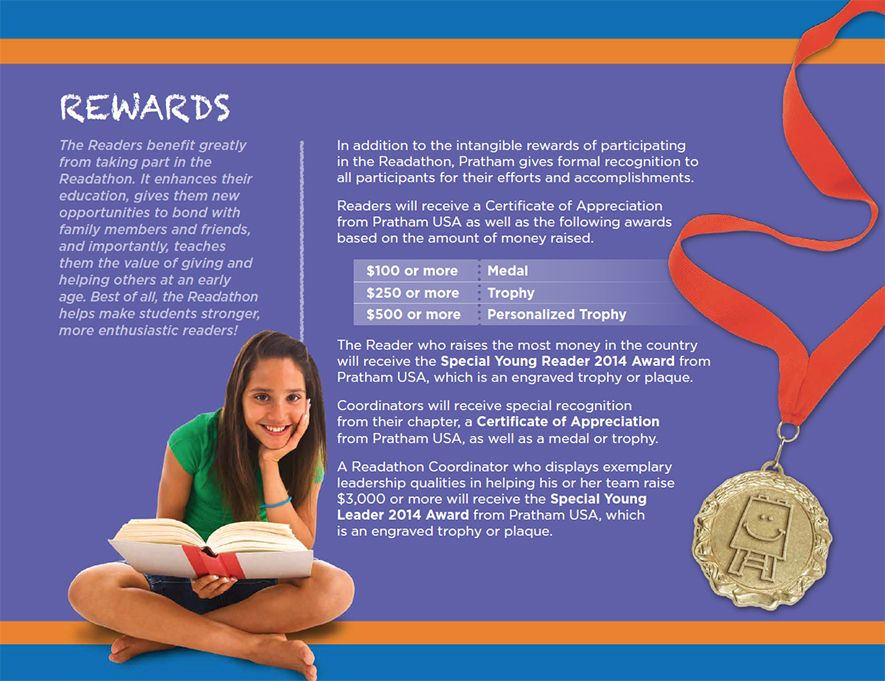
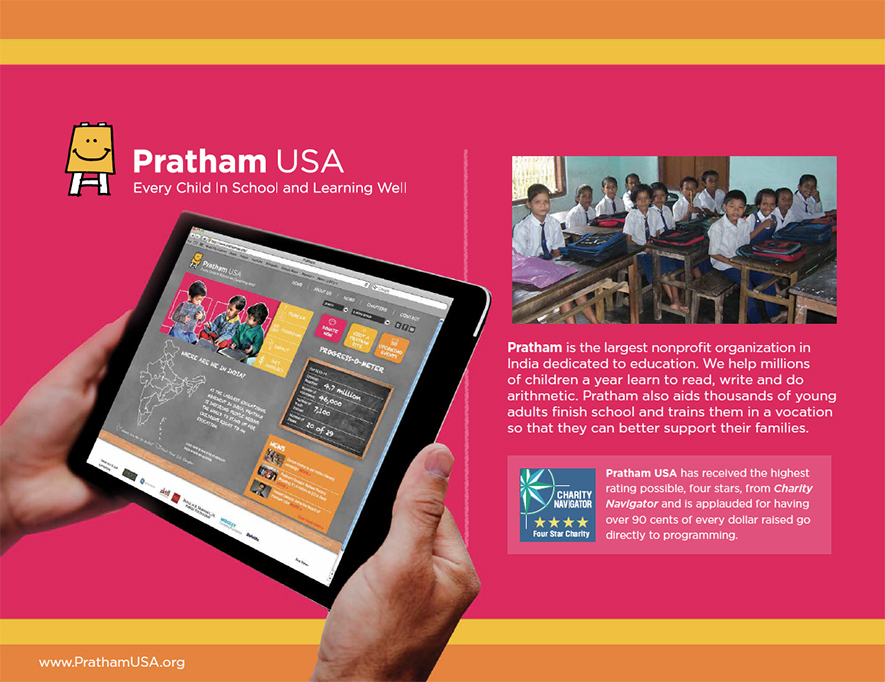
The U.S. fundraising arm for the largest literacy organization in India approached us to promote their Readathon, a key initiative for engaging youth in their work and to raise money for their educational programs in India

Marketing Ideas

The first part of the project was strategic — developing the best ways for reaching and recruiting people for the Readathon. We generated a range of ideas including:

  • Organizing readings at Indian restaurants
  • Having kids dress up in their favorite character from popular books
  • Parlay kids summer reading lists for the Readathon.
  • Get a family-friendly restaurant that has locations around the country to sponsor
  • Having live streaming of kids in India read as a national event streaming event in several cities simultaneously

Marketing Collateral

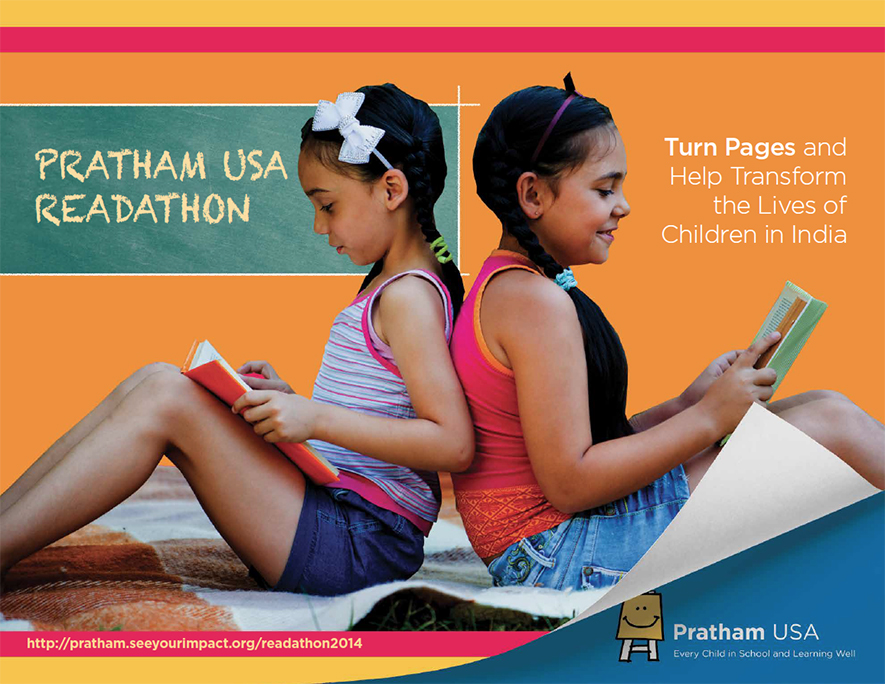
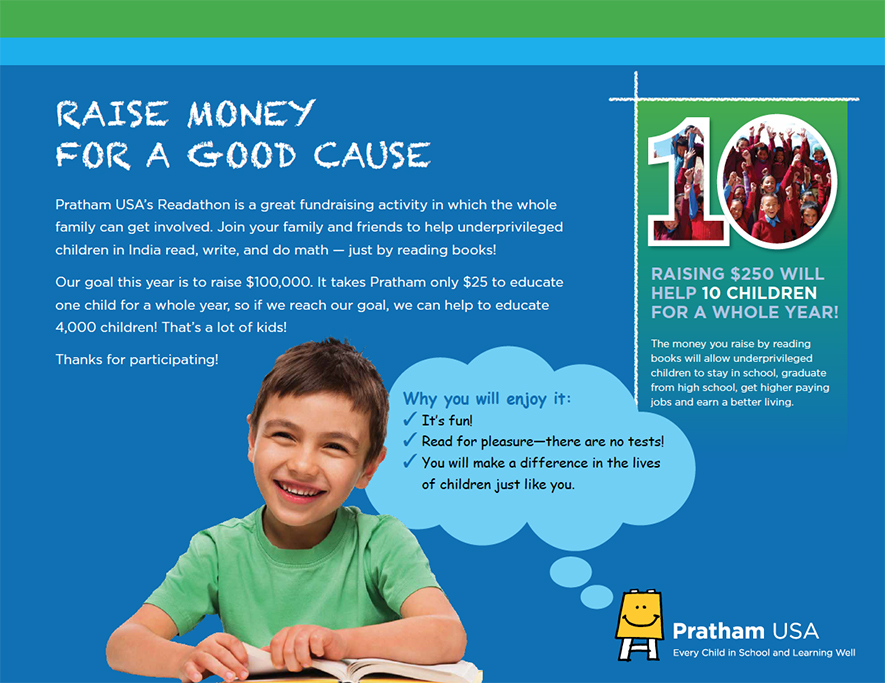
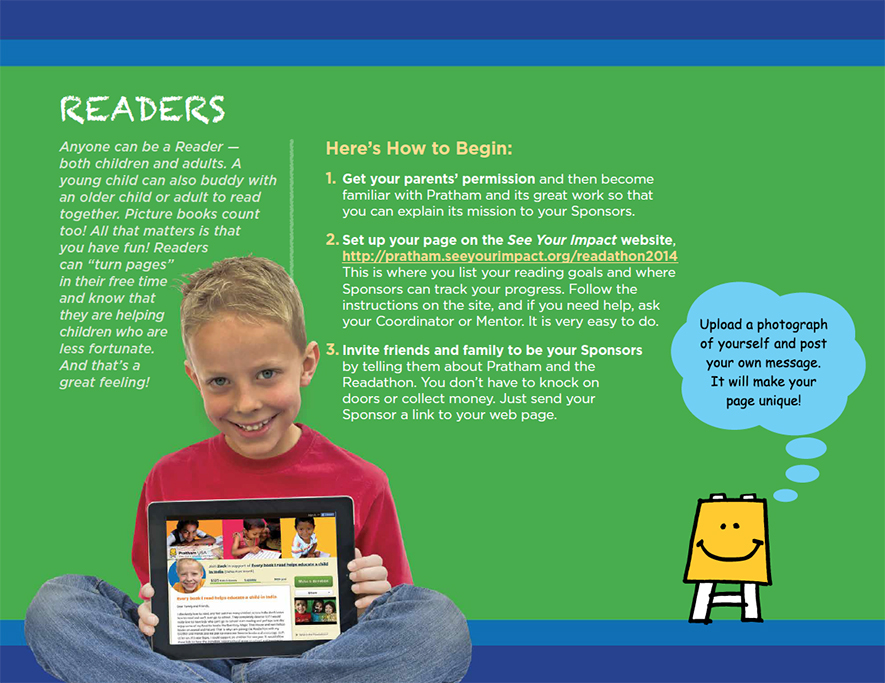
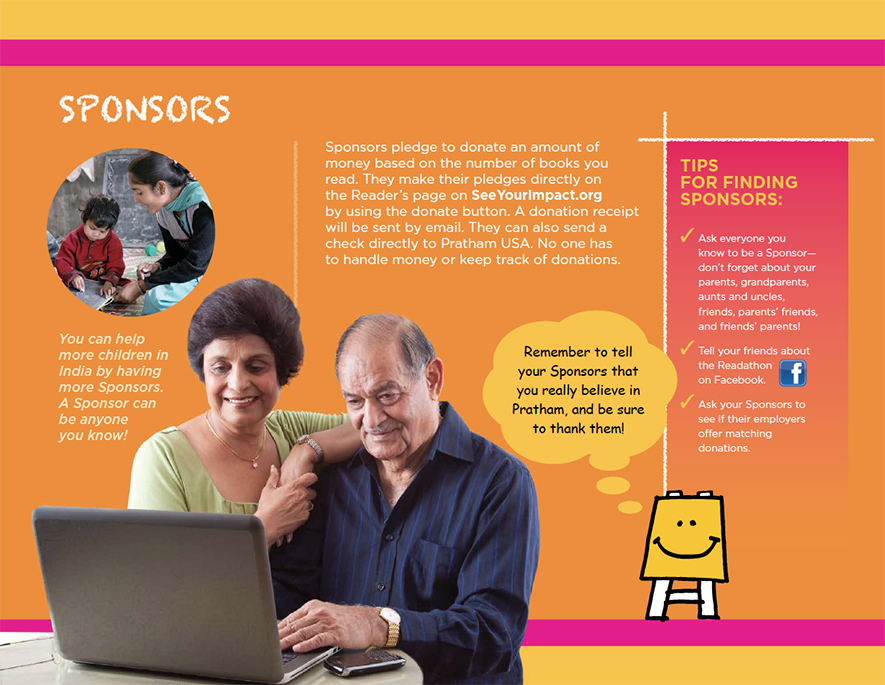
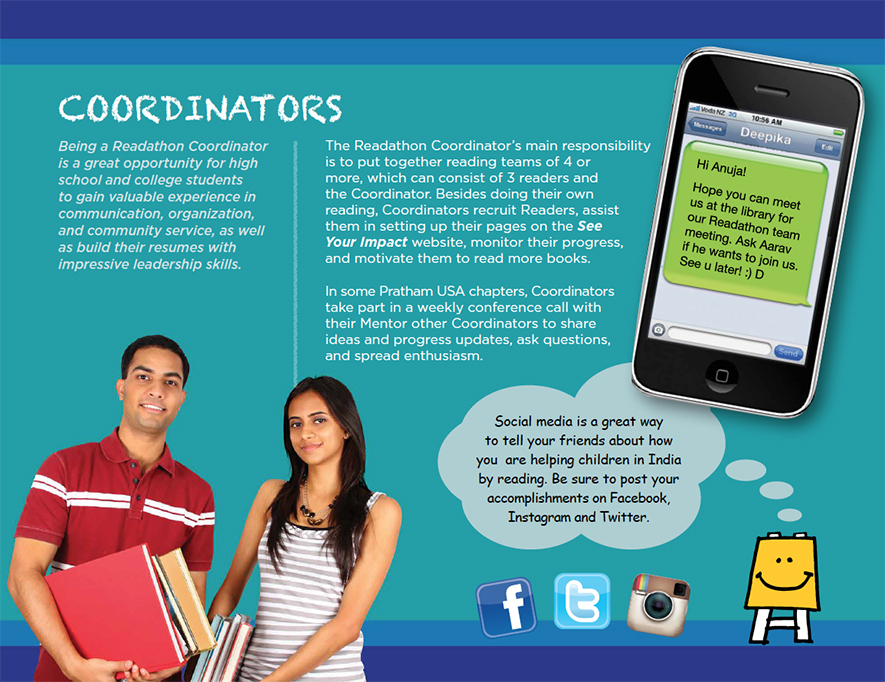
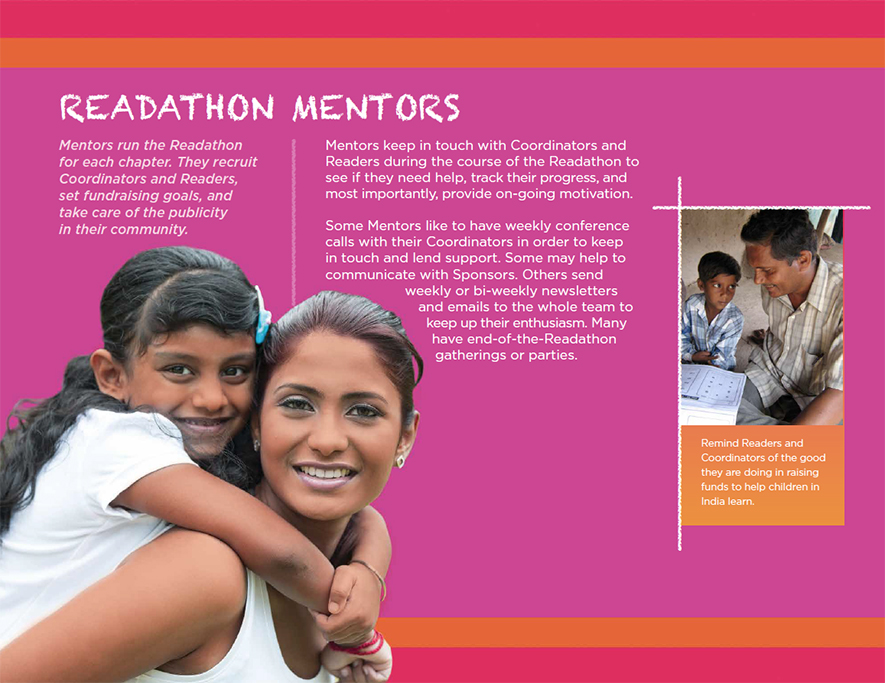
The second part was writing and designing an effective presentation to promote the Readathon. The intent was to provide the local chapters with a tool for recruiting people in their communities who would act as Coordinators, to put together small teams of readers.

The presentation clearly and succinctly describes the Readathon and the various roles of the participants and sponsors.

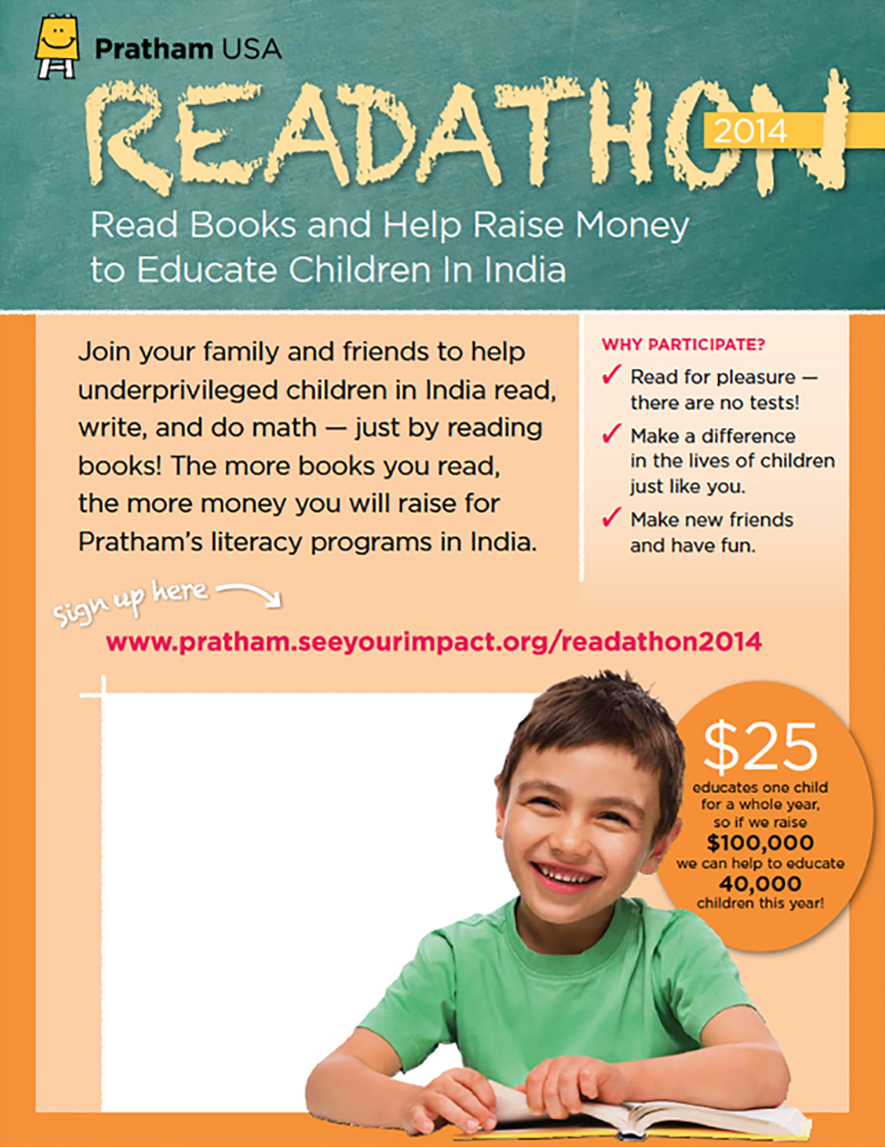
The campaign also included a flyer that could be customized by each chapter for promoting local events while maintaining the look of Readathon.

Results

The 2014 Readathon raised $85,000, exceeding the previous year by $10,000, and increasing the average donation from $76 to $102.