Updating an Aging Organization

Advancing States

Advancing States

Updating an Aging Organization

What do you do with a cumbersome name? The National Association of States United for Aging and Disabilities needed a new name and visual identity. We delivered.

This membership organization of state aging and disability agencies was referred to as NASUAD, which was hindering their ability to communicate what they do. They approached Red Rooster Group with the challenge of developing a better name.

Services

  • Brand Analysis
  • Competitive Analysis
  • Stakeholder Interviews
  • Organizational Name
  • Program Names
  • Brand Style Guide
  • Brand Video

Crafting an Appropriate Name

We led the organization through a comprehensive exploration of names that met their criteria — a forward-thinking name that positioned them as the convenor and voice for state agencies, and short enough that it would be conducive to use without abbreviating.

We generated dozens of names — from full descriptive names to shorter, more evocative ones. We vetted the names for potential conflicts and helped their Brand Committee evaluate the choices. The resulting name, Advancing States, distinguishes them from the competition and positions them as leading the state aging and disability agencies.

The name needed to distinguish the organization from similar organizations.
Similar Organizations

Designing a Unified Visual Identity System

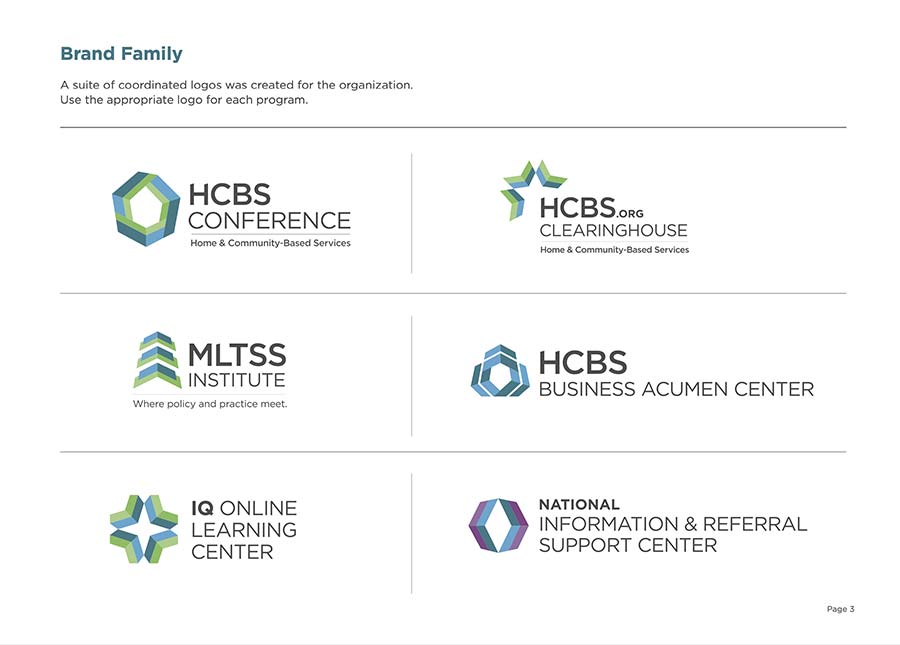
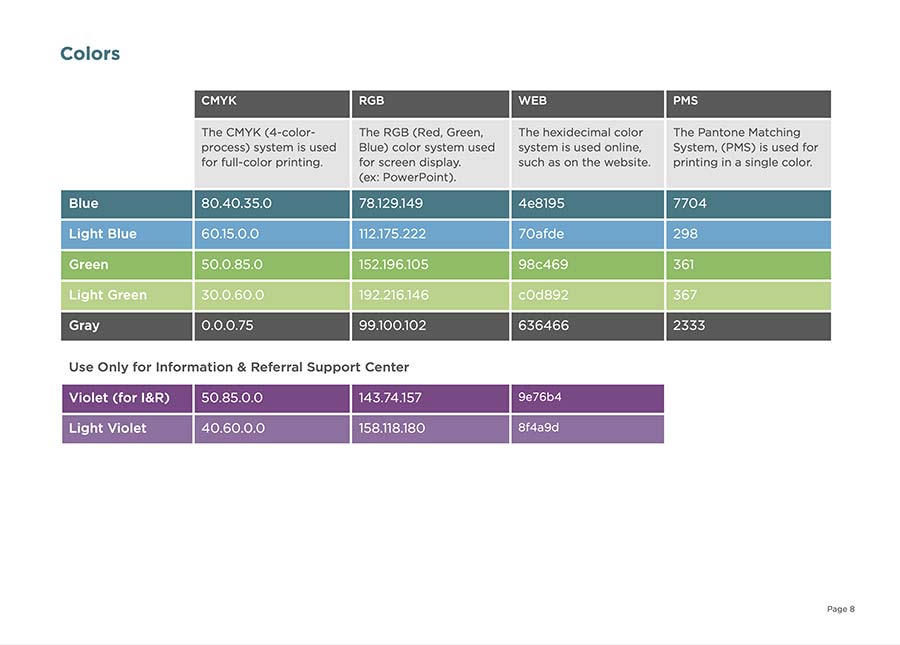
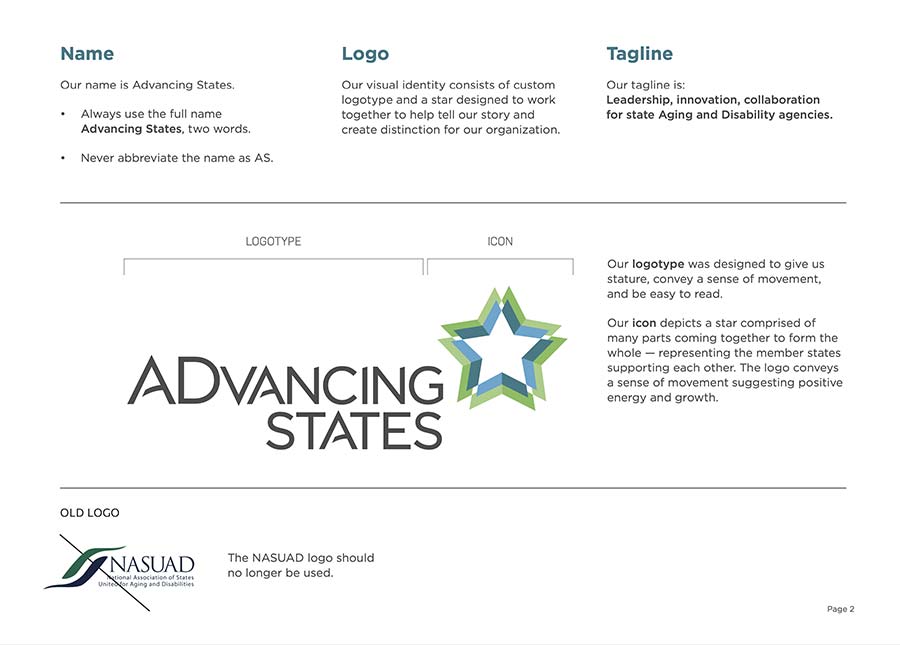
We designed a new logo for the organization with an emerging star and large AD for aging and disabilities. We unified the conference and program brands with a consistent visual look made from components of the star in the Advancing States logo.
Old-Logos
Advancing States Logo
HCBS Conference
HCBS Clearinghouse
MLTSS Institute Logo
IQ Online Learning Center
HCBS Business Acumen Center
Information & Referral Support Center

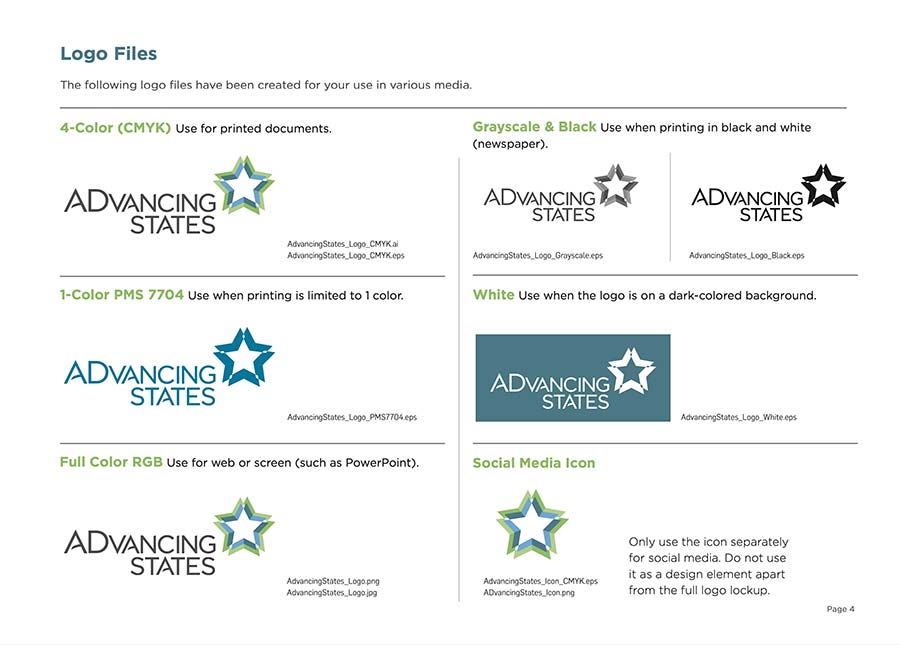
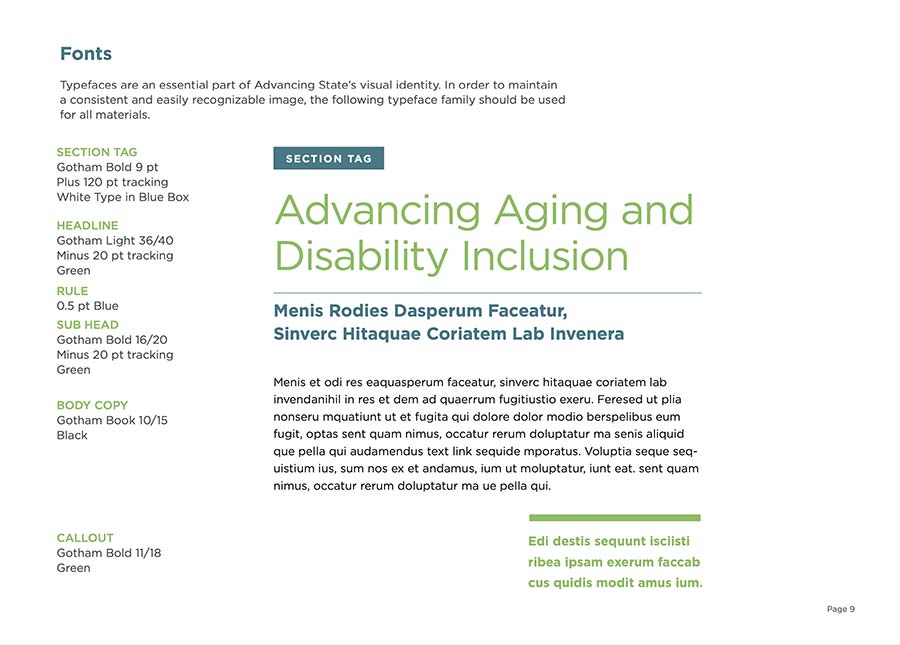
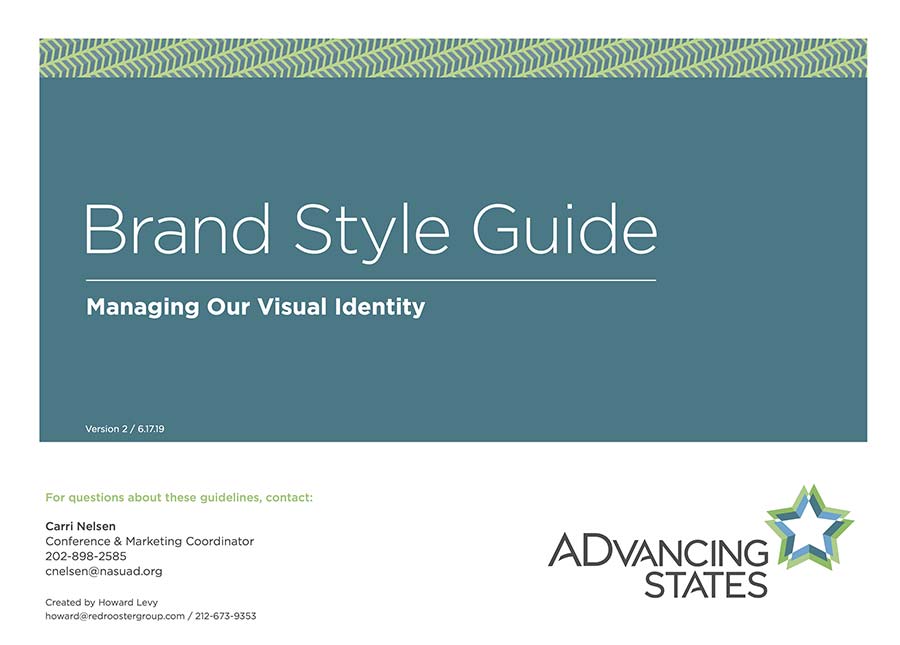
Brand Style Guide

Their Brand Style Guide helps this national nonprofit organization maintain consistency with its brand across marketing activities.
Rebranding Positions Human Services Agency as a Leader in the Sector

How does a $100 million social service agency remain relevant in a competitive environment?

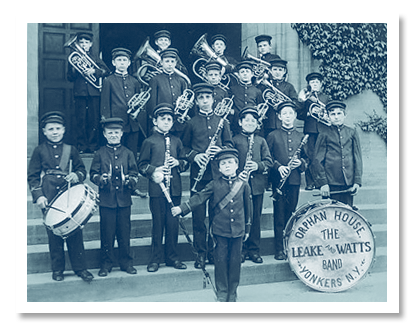
Founded in New York City in 1831, Leake & Watts had evolved from an orphanage to a multi-faceted agency with more than 40 different programs. But their name and brand were hampering their ability to get referrals and attract donors.

We created a new name, message, and visual identity that positions it as a leader in the sector. Here’s how we did it.

Challenges

The organization needed to address the problems with its name and retain a sense of history while moving forward to appeal to donors and funders.

Discovery

We conducted a thorough Discovery process that was designed to help us uncover brand perceptions and communication issues:

  • A Brand Audit that assessed all touchpoints with the public.
  • A Competitive Review of other human services agencies to identify key differentiators.
  • 25 Interviews with leadership, Board members, and donors.
  • An Interactive Workshop with two dozen senior leaders to explore brand strengths.
  • Five Focus Groups with different departments to understand their brand challenges.

Naming

The leadership, Brand Committee, and Board were engaged in a thorough process to develop and test a new name that would meet their needs around the theme of “Rise.”

After exploring more than 1,400 naming ideas, field testing for perceptions, and conducting legal vetting, the Brand Committee selected the name Rising Ground. This conveys how the organization helps people rise above adversity regardless of what they are facing. The tagline, ”Paths to positive change since 1831” amplifies the message and connects to their history.

Rising Ground Logo

Messaging

As part of the branding process, we updated the Mission and Vision Statements, Values, and other brand messaging.

Mission

Driven by the belief that each of us can thrive when life has hope and opportunity, Rising Ground provides caring support and proven paths to positive change, helping the most vulnerable children, adults and families rise above adversity.

Vision

Rising Ground envisions a future for New York where every child has an equal opportunity to succeed; where vulnerable individuals and families have the resources and support they need; where people with disabilities can access opportunity and fully participate in their communities; and where all are supported as they navigate life’s challenges and positively direct their lives.

Boilerplate

Rising Ground is a leading nonprofit social service organization, providing the most vulnerable children, adults and families in the Greater New York City area, with the resources and skills needed to rise above adversity and positively direct their lives.

Visual Identity

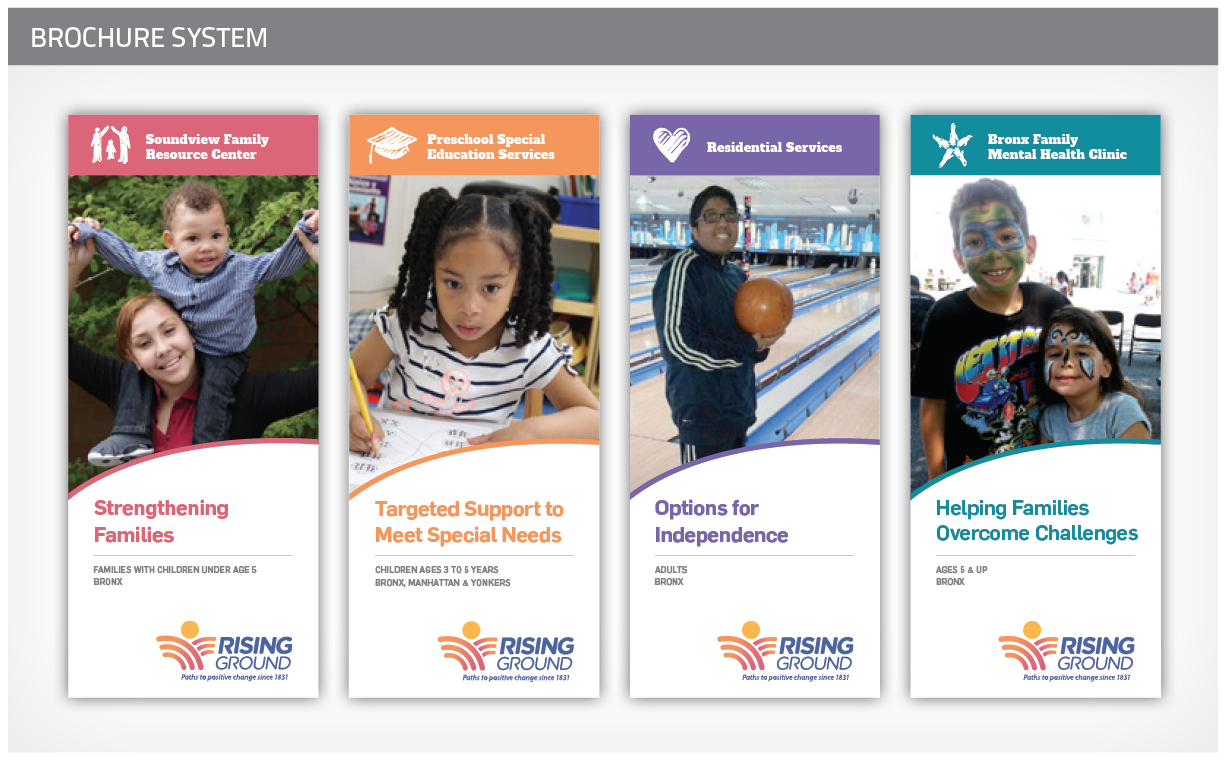
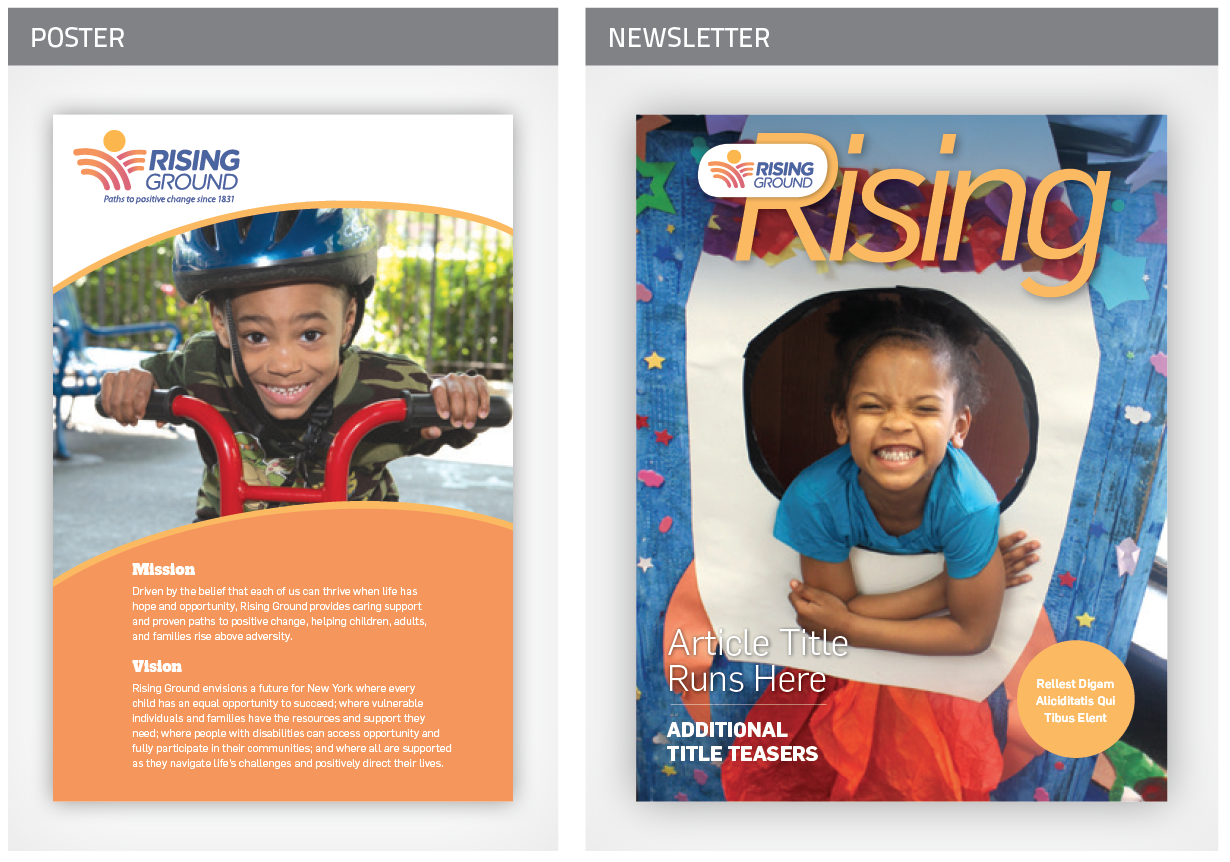
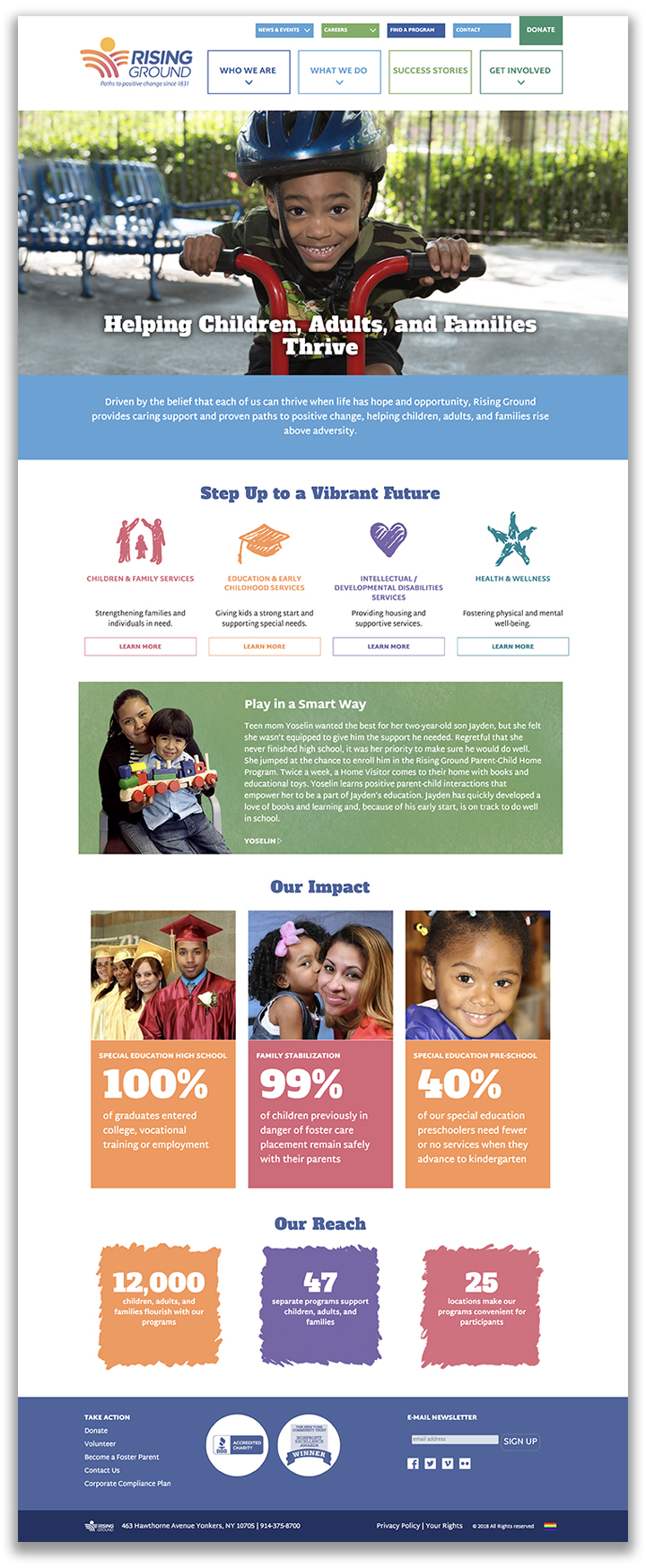
We created a new visual identity that is expressive, contemporary, and evokes the agency’s personality. The visual identity system consists of:

Website

We planned, wrote, designed, and developed a completely new website for the organization. We created a positive experience that showcases the agency’s mission of helping people rise above adversity.

Brand Launch

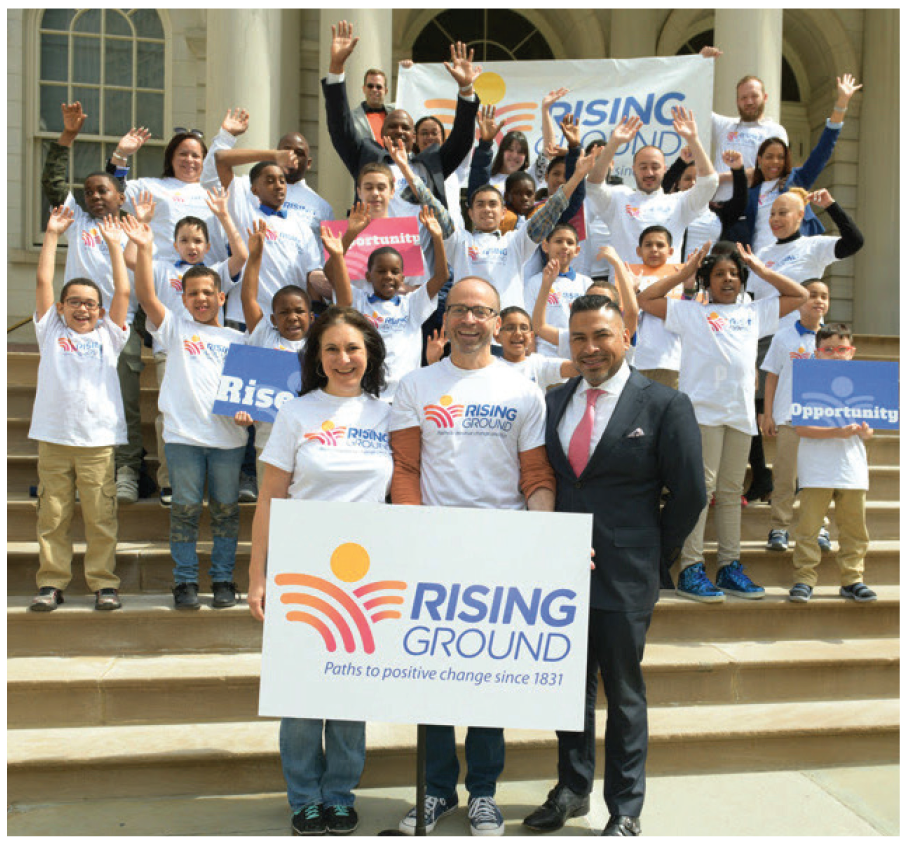
Announcing the new name was an opportunity to renew enthusiasm for the organization. To facilitate the transition, we drafted a Why We Changed Our Name document, letters to each stakeholder group, FAQs, a video, and other materials. The launch events generated lots of excitement and the name was well received by staff and donors, and garnered some media coverage (handled by a PR firm).

Outcomes

Rising Ground’s new brand eliminates the confusion with their old name, inspires donors with an uplifting message, and gives staff a clear purpose to rally around.

Most importantly, Rising Ground is positioned as a leader in the social services sector — one not known for bold changes. Leake & Watts’ transformation to Rising Ground has sent a signal to the sector that it is leading the way with bold decisions. They are seen as an attractive potential partner for acquiring other agencies, and their new brand is serving them well as in vying for attention and funding in these uncertain political times.

“Howard and the entire team at Red Rooster Group truly went above and beyond with our project – the rebranding and renaming of a venerable 185+ year organization. It wasn’t easy! Red Rooster Group took the time to really listen to what we believe in and what we wanted to achieve. Their process was strategic, creative, and inventive from start to finish. All throughout, Red Rooster Group made sure we stayed true to the core themes of our work that we collectively identified. No detail was too small and no request unsatisfied. You couldn’t ask for a team more dedicated. Today, we have a new name, visual identity, website, messaging, and mission and vision statements that are truly reflective of our impact in the community. Our new brand positions us with confidence as we look to the future and ways to further increase our impact. Red Rooster Group was a tremendous partner. We are delighted with the results of our work together!”

Meredith Barber

— Meredith Barber
Senior Director of Institutional Advancement
Rising Ground

Integrated Campaign Promotes Early Childhood Mental Health

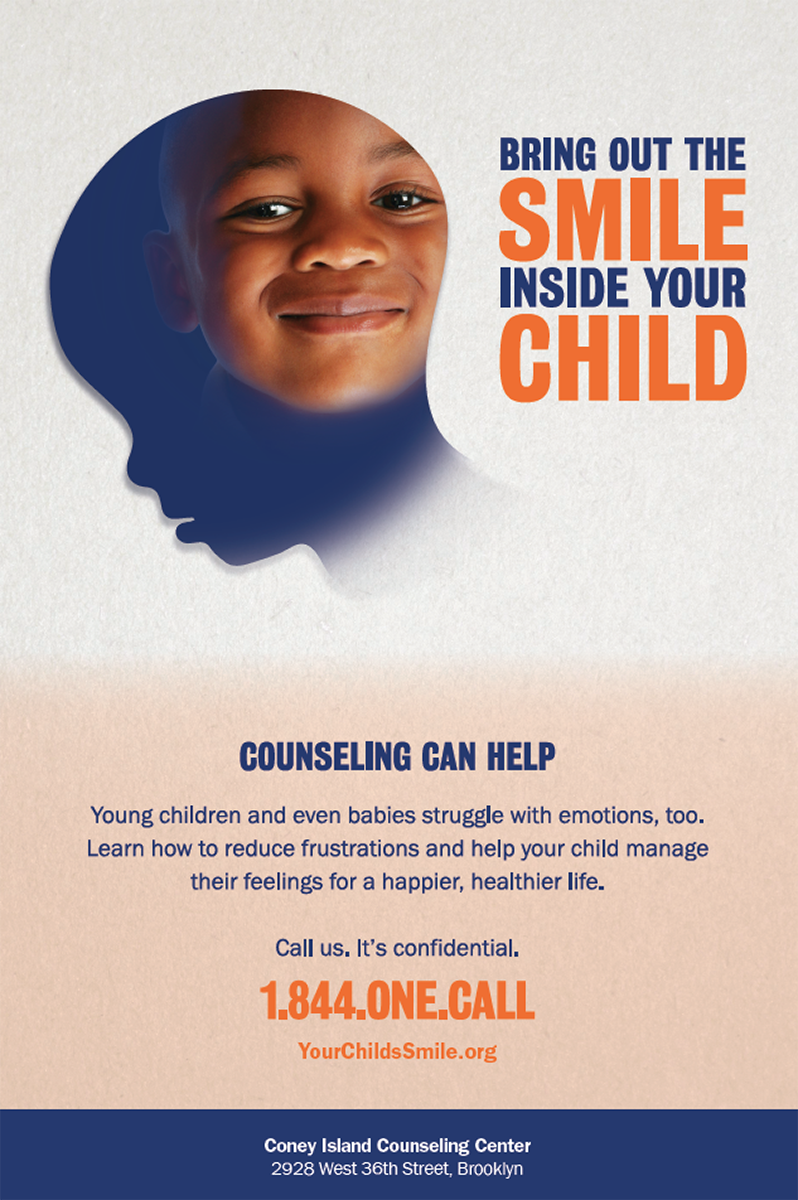
How do you help low-income parents pay attention to their young child’s mental health?

You need a message that doesn’t stigmatize, patronize, or scare them off.

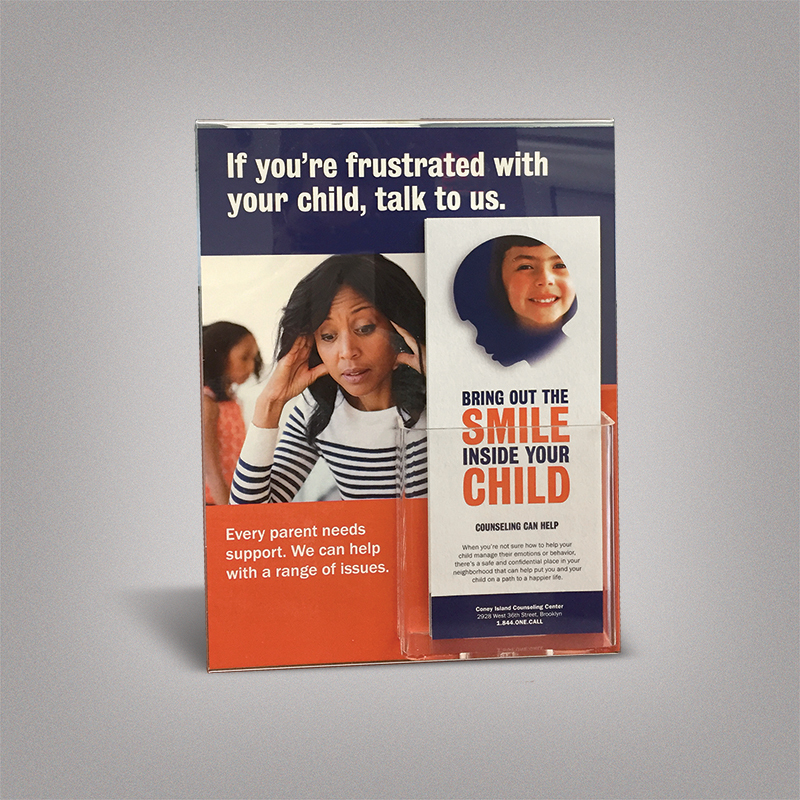
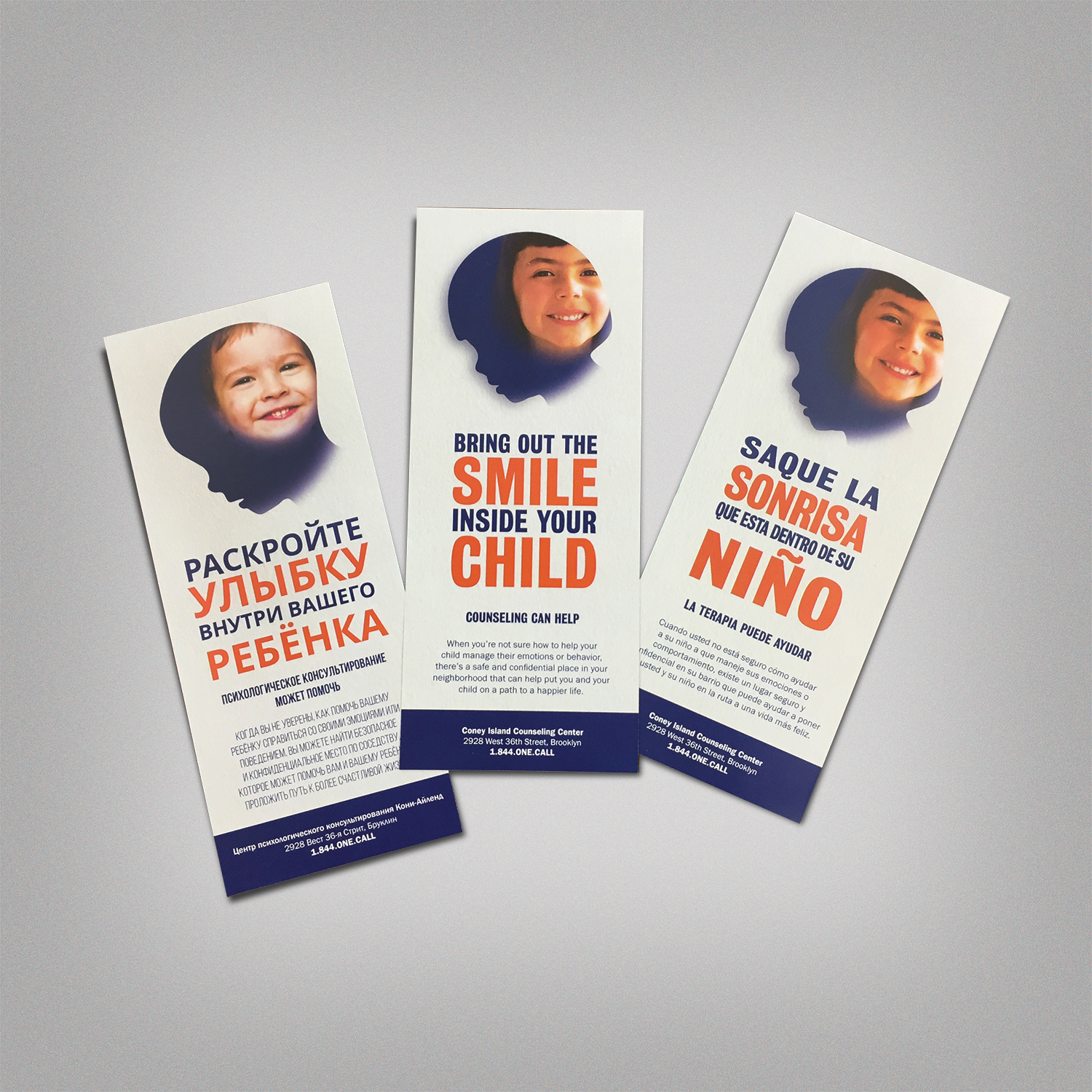
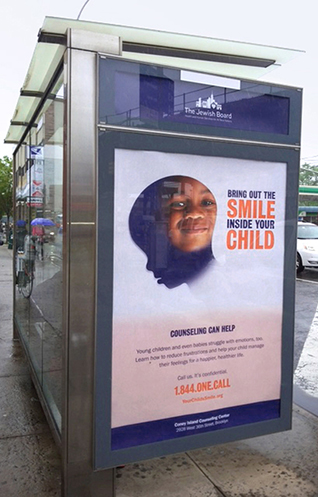
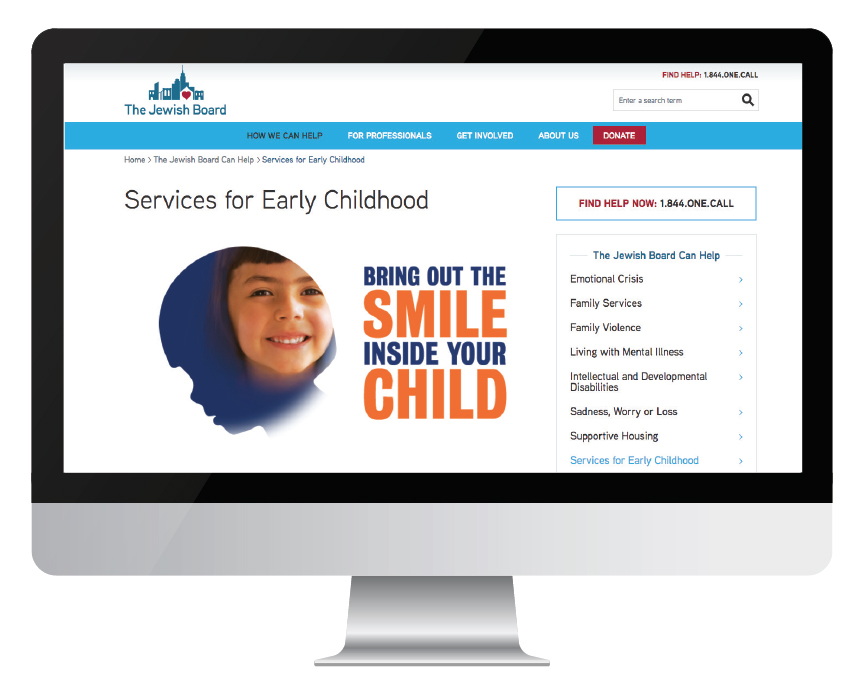
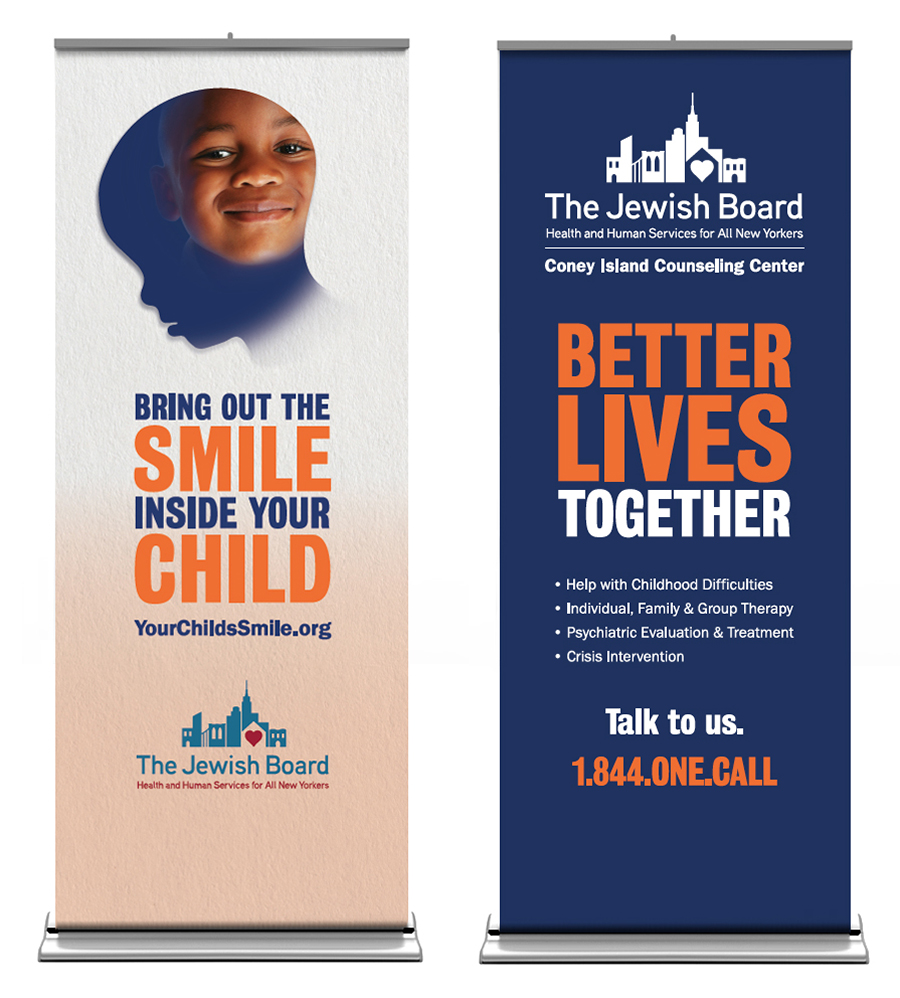
A positive message helps parents see the good inside their child despite the frustrations that they might be feeling at the moment.

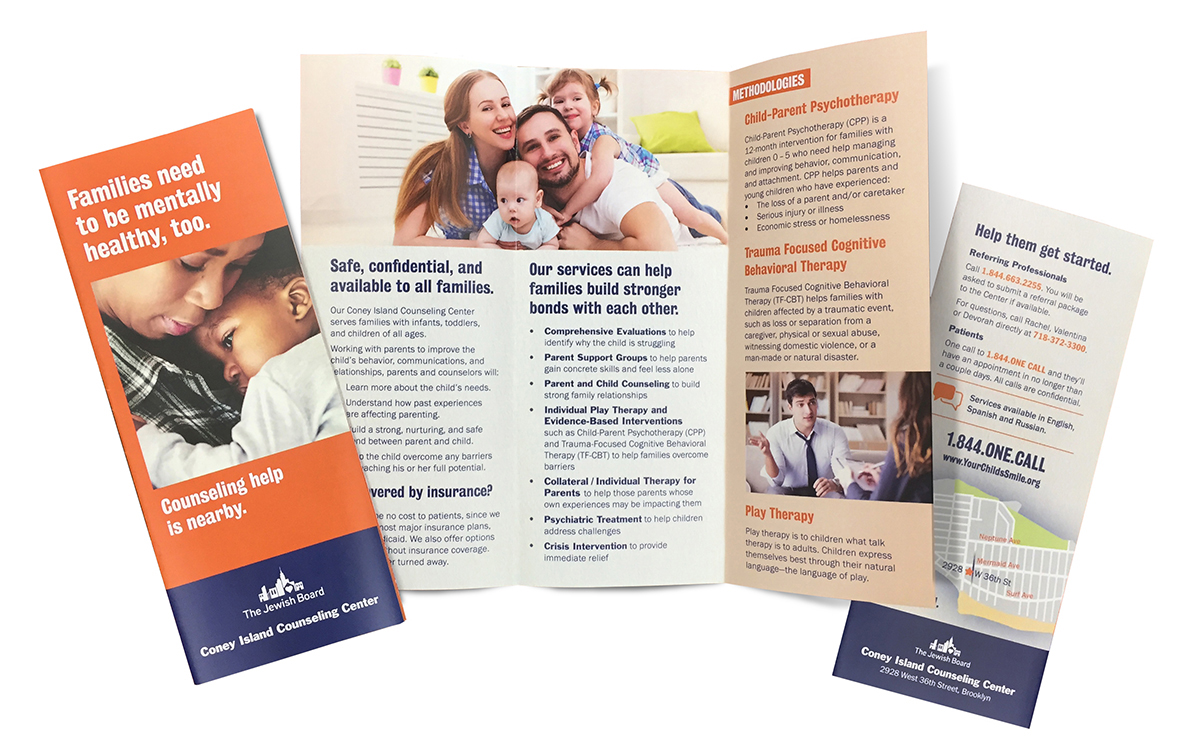
We also created brochures to reach doctors and other professionals who could refer their patients to the clinic.

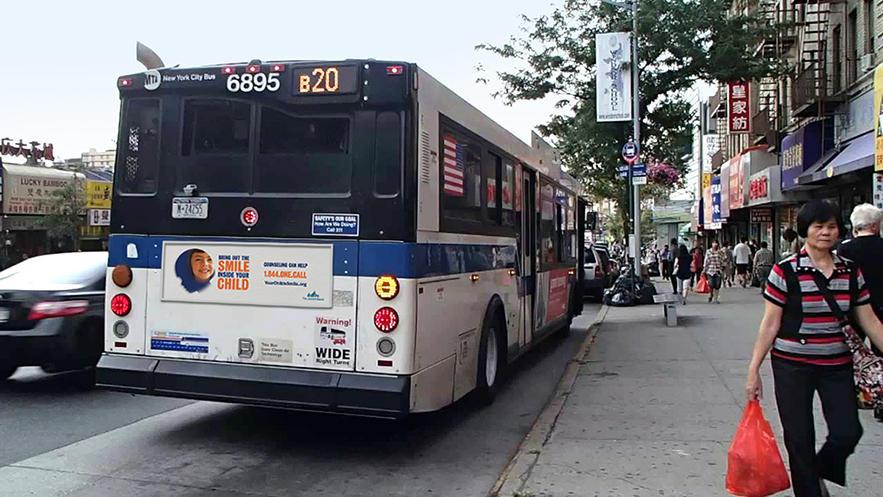
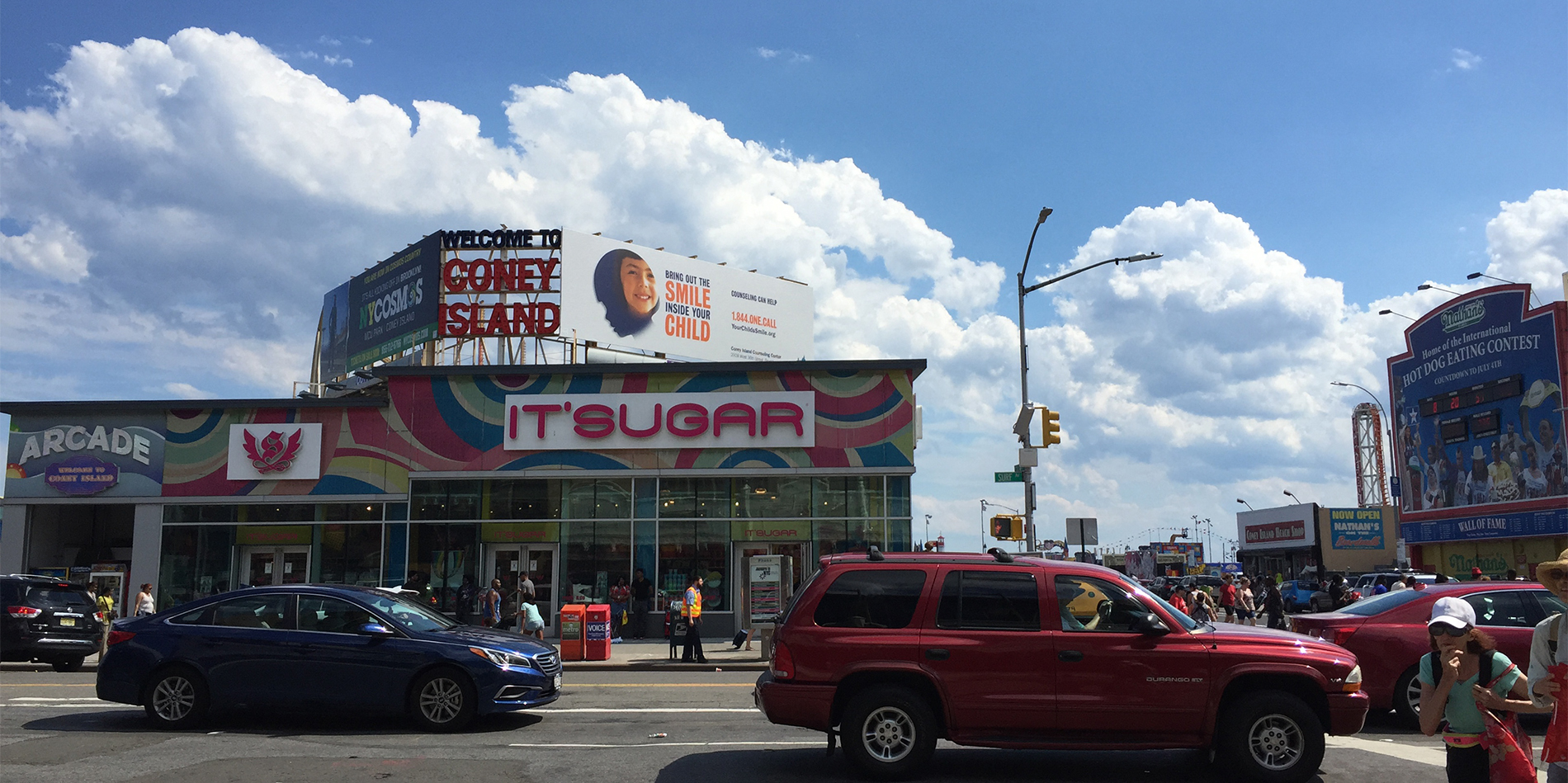
A coordinated media approach included billboards and transit advertising to create awareness.

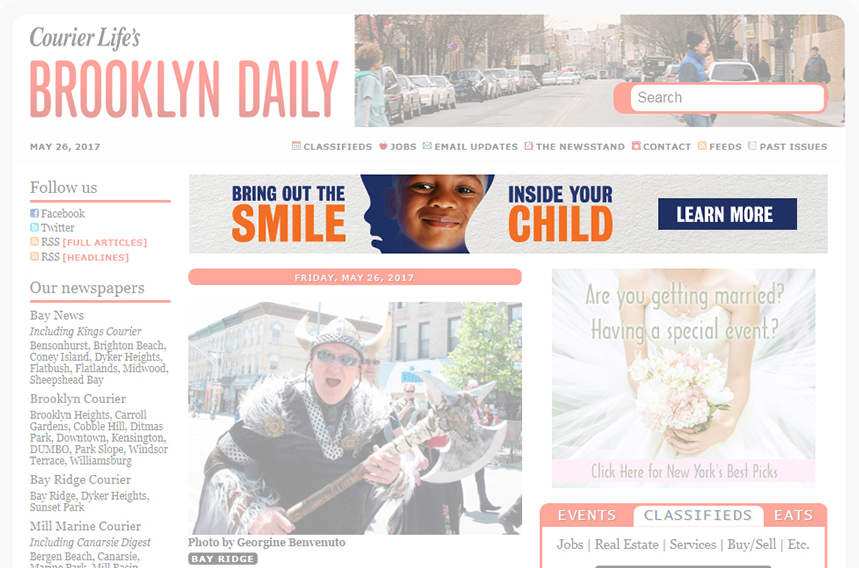
We used a combination of print and digital ads in local newspapers and websites to reach parents.

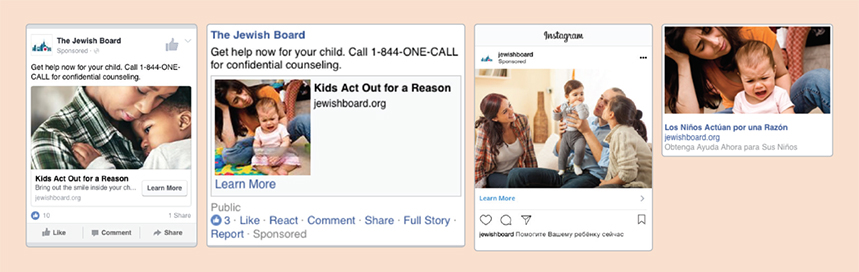
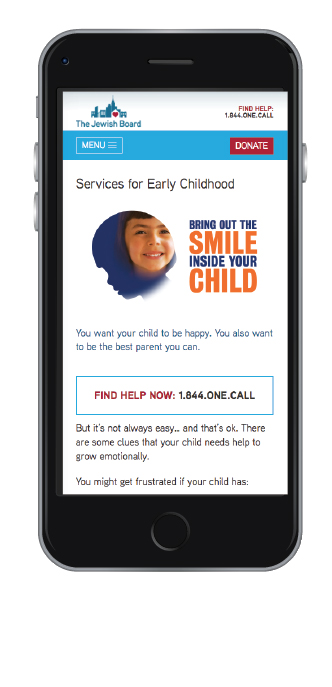
AdWords and social media campaigns with the YourChildsSmile.org URL drove traffic to a mobile-friendly landing page.

The landing page was integrated as a part of The Jewish Board’s website so that visitors could learn about their full range of services.

Participation in local events such as BayFest was an opportunity to engage people directly.

The 2-month campaign fulfilled the client’s goal of reaching a large number of people in a short period of time.

735,954

total people reached

Doubled

the average intake calls to the counseling center in the first 2 weeks of the campaign

Introducing a Complex Concept

Credible Messenger Justice Center

Credible Messenger Header

Introducing a Criminal Justice Mentoring Model

When an alliance of three parties came together to promote the Credible Messenger approach used for mentoring at-risk youth, they needed a way to explain the concept, present their affiliation, and build support for the movement. Red Rooster Group developed a brand to tell their story in a powerful way.

Services

  • Market Research
  • Brand Strategy
  • Naming
  • Messaging
  • Visual Identity & Brand Guidelines
  • Marketing Collateral
  • Website Copy, Design & Development/span>

Creating a Brand to Transform Lives

The Center for Credible Messengering is a consortium of the New York City Department of Probation, a nonprofit organization called Community Connections for Youth, and the Silberman School of Social Work at Hunter College. They came together to develop programs to harness the power of people who had been through the justice system and had transformed their lives, and to train them to become mentors for youth who might otherwise end up in jail. Our task was to create a brand for the consortium that was using this credible messenger approach.

Framing the Approach

We visited the programs and conducted interviews to learn about the valuable role that Credible Messengers play and perceptions about the justice system. We explored the issues around how to present this unique and sensitive approach to transforming individual lives, communities.

Signage

Crafting Brand Language

We developed a brand platform to define their brand — creating Mission and Vision Statements, Brand Pillars, Brand Personality, and other messaging components. We galvanized the brand around the concept of “Relationships that Transform,” and crafted messaging to support it.

A New Name

We wanted to address the awkwardness of ”Credible Messengering” in the original name — The Center for Credible Messengering — and give a clear focus on the words ”Credible Messenger.” After generating many options, we recommended the name Credible Messenger Justice Center to put ”Credible Messenger” first, and add ”Justice” to give context to the name.

Visual Identity

We then developed options for a visual identity that would give credibility to the alliance and help tell its story of Credible Messengers in dialogue with youth.

Website

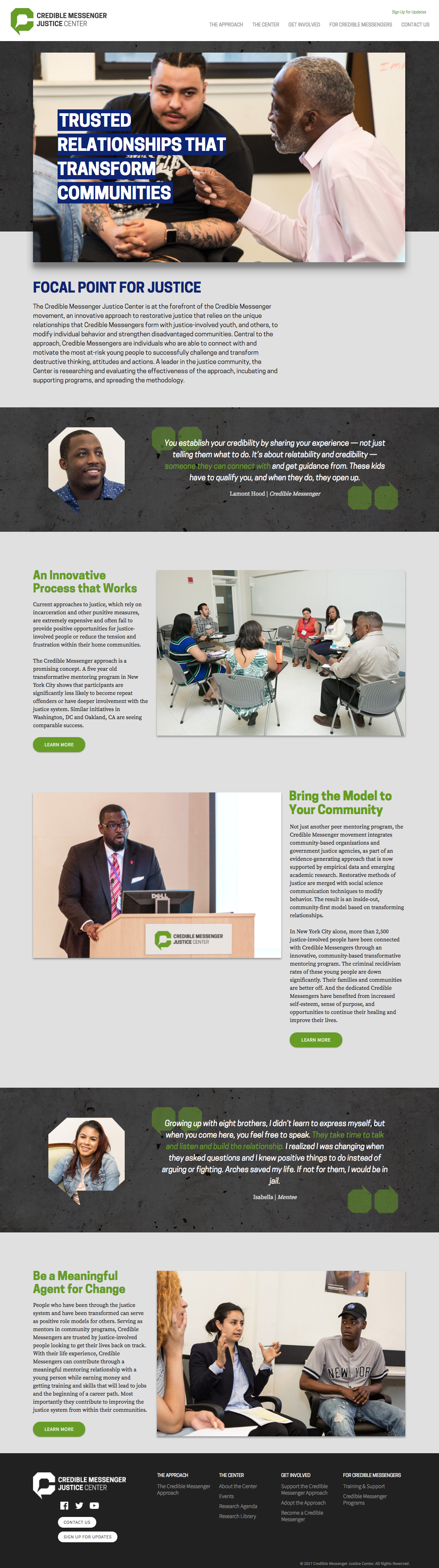
We wrote, designed, and developed a website to showcase the Center, including pages that appealed to potential Credible Messengers, and a searchable Research Library for those looking for information on the effectiveness of the approach. Testimonials from Credible Messengers were used throughout the website.

CMJC Homepage

Print Collateral

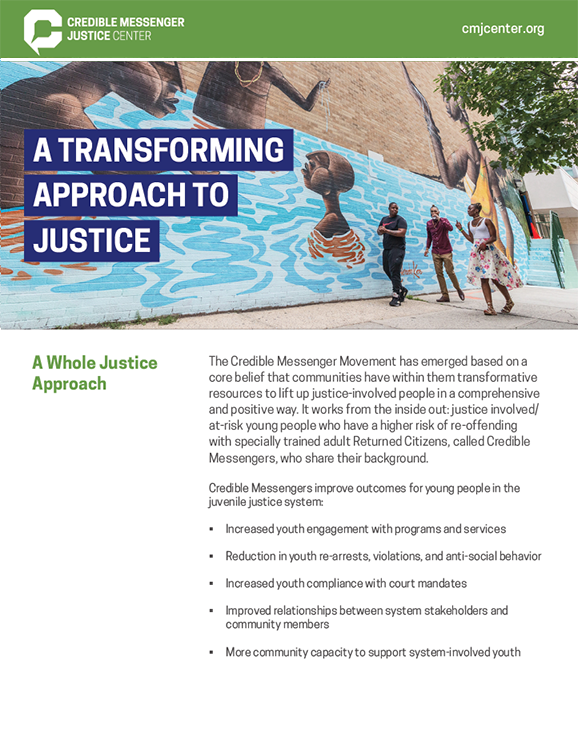
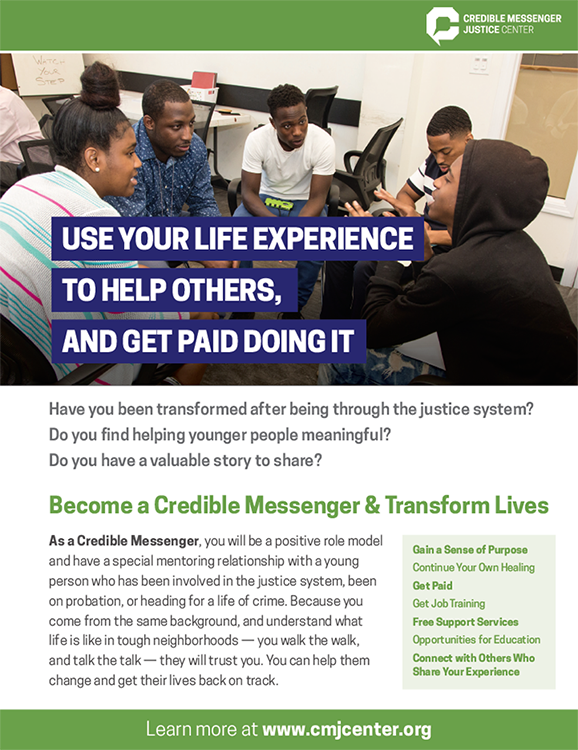
We created overview sheets to promote the Center to professionals, and flyers to attract potential Credible Messengers.

Overview Sheet
CMJC Flyer

Results

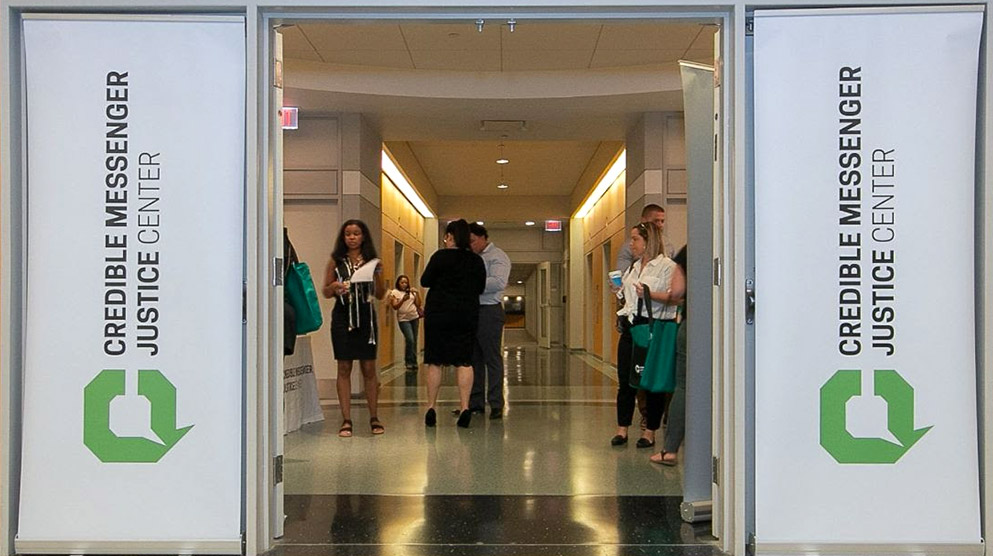
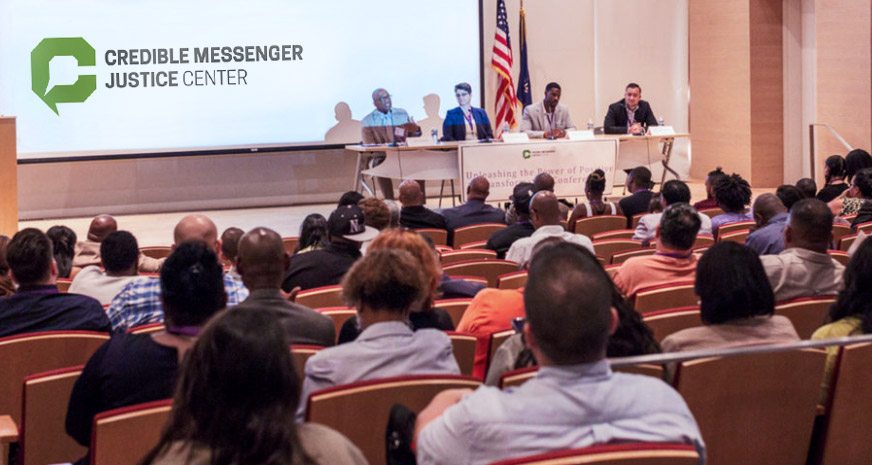
The brand, which was introduced a conference showcasing the Credible Messenger approach, was very well received, conferring credibility to the new venture.

Conference Session

Capital Campaign for U.S. Navy Seabee Museum

U.S Navy Seabees

Capital Campaign for U.S. Navy Seabee Museum

$10 Million Campaign

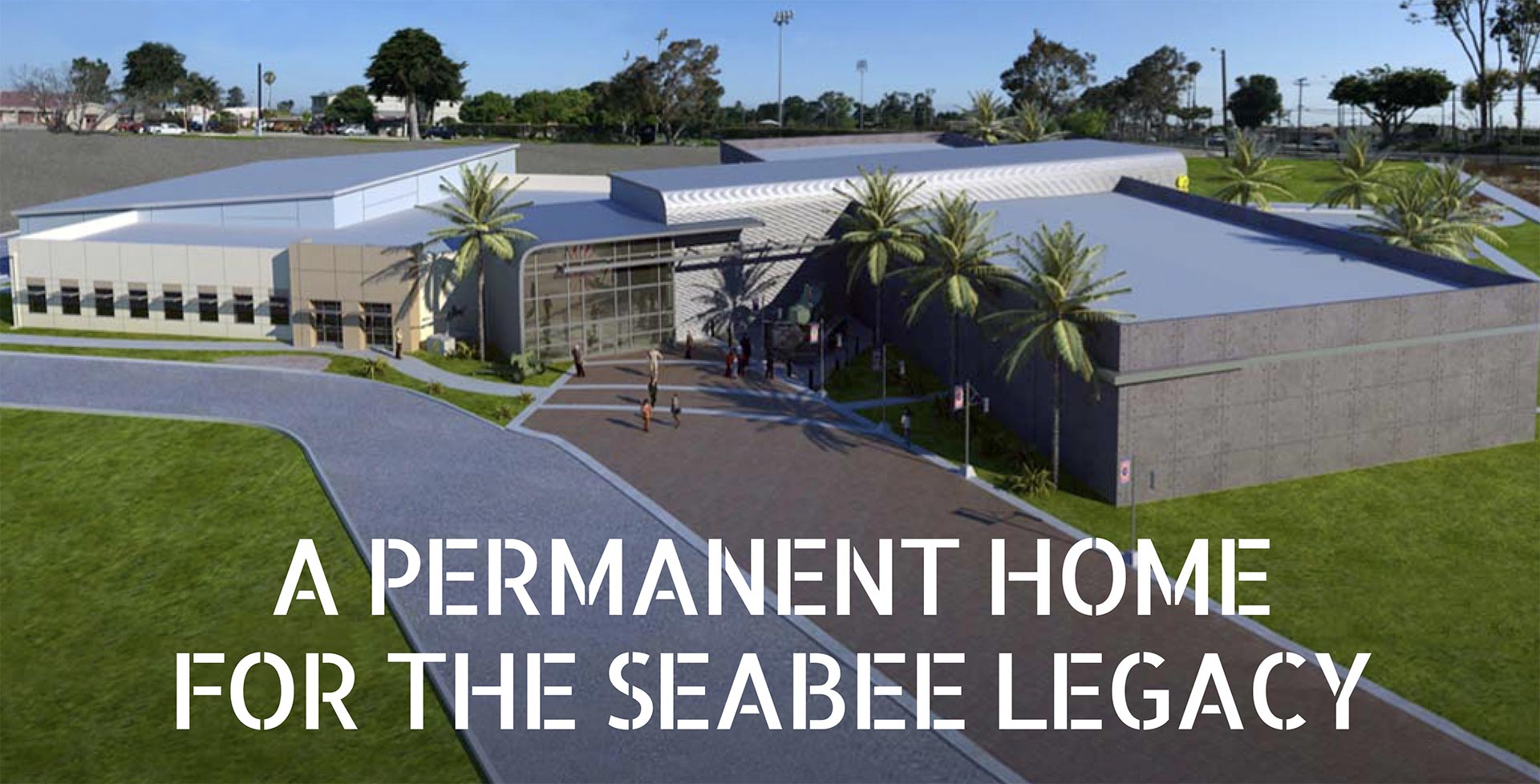
To preserve the legacy of the U.S. Navy’s construction battalions, the CEC/Seabee Historical Foundation conducted a $10 million capital campaign to fund state-of-the-art exhibits at the U.S. Navy Seabee Museum in Port Hueneme, CA.

Services

  • Competitive Analysis & Campaign Strategy
  • Campaign Theme
  • Core Fundraising Messaging
  • Campaign Identity & Logo System
  • Digital Assets & Style Guide
  • Campaign Website
  • Campaign Brochure

The Challenge

A Campaign That Had Stalled — and a Donor Base That Had Shrunk

The CEC/Seabee Historical Foundation had an ambitious goal: raise $10 million to fund state-of-the-art exhibits at the U.S. Navy Seabee Museum in Port Hueneme, CA. But the campaign needed more than a refresh. It needed to expand beyond its existing donor base of military veterans and their families to reach the construction and engineering industries, STEM educators and students, and the broader public. Without a compelling story that could speak to all of them, the campaign would keep fishing in the same small pond.

The Insight

What Makes the Seabees Different From Every Other Military Branch

We started with a competitive analysis of military and institutional capital campaigns. The question was simple: what makes the Seabees a cause worth supporting that no other campaign can claim?

The answer was in the stories.

On Iwo Jima, Seabees solved the problem of a hidden enemy patrol by pumping 500,000 gallons of water into their cave.

A Seabee got his engine running again by building a working condenser from tinfoil stripped off cigarette packs, waxed paper from a fruitcake box, and a discarded beer can.

In the field, Seabees converted 55-gallon drums into sewer pipes, roofing material, canoes, bathtubs, and solar-heated showers.

No other branch had stories like these. The Seabees didn’t just fight — they invented, improvised, and engineered their way through every obstacle.

Messaging Strategy

The Insight That Unlocked the Campaign

That pattern of solving impossible problems with whatever was at hand became our strategic foundation. It wasn’t just military valor. It was the same creative problem-solving that drives modern engineering, powers the construction industry, and defines what we want STEM education to produce.

Ingenuity was the thread that could connect a Seabee veteran to a construction executive, a museum donor to a high school student considering a career in the trades. It gave the campaign a story bigger than its history — and an audience far larger than its traditional base.

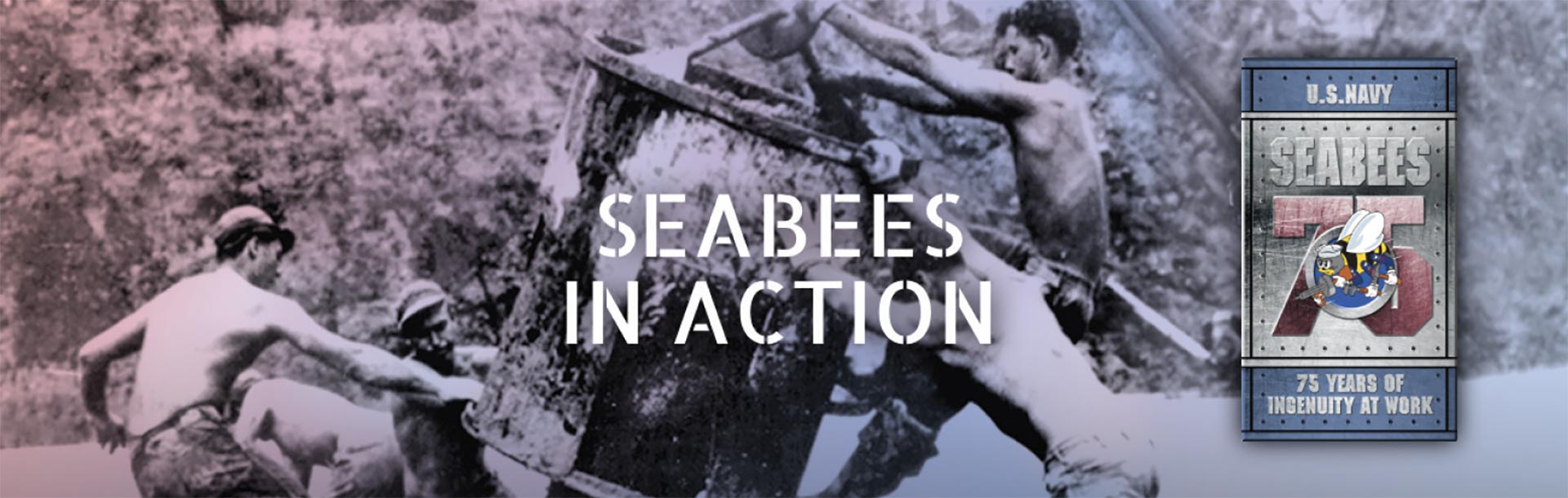
Campaign Theme & Identity: 75 Years of Ingenuity at Work

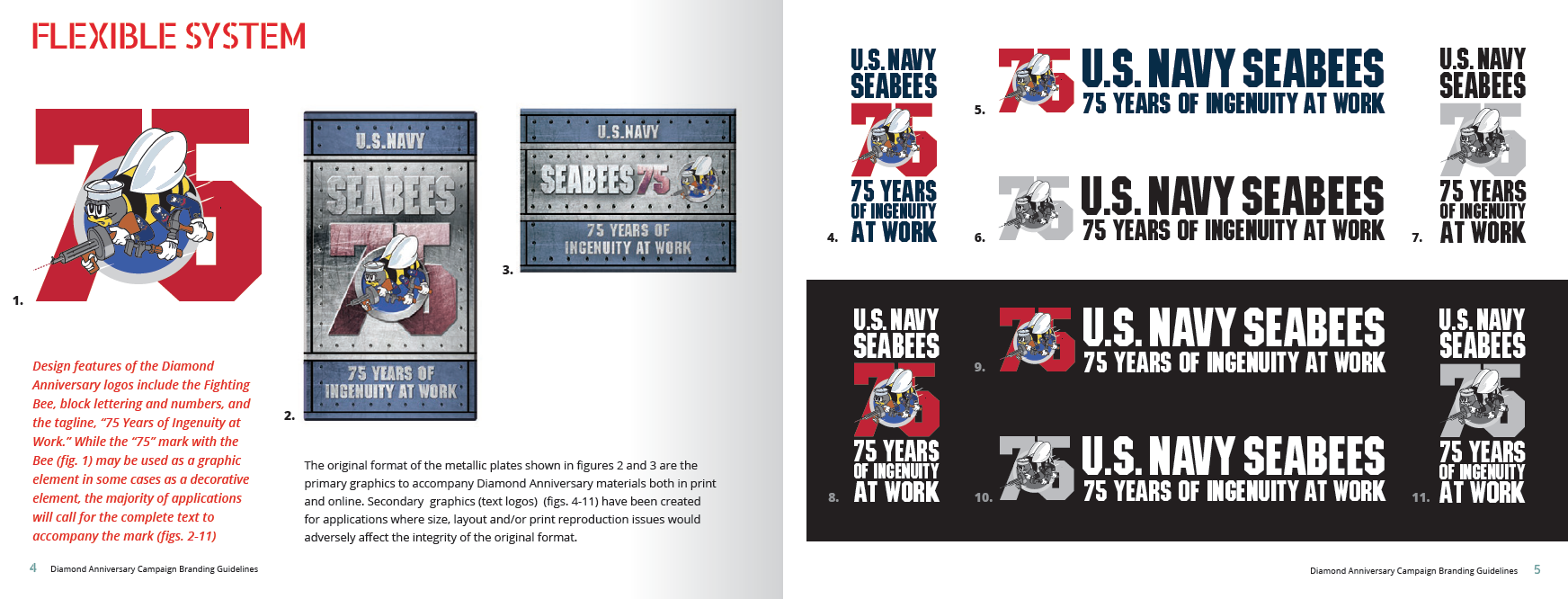
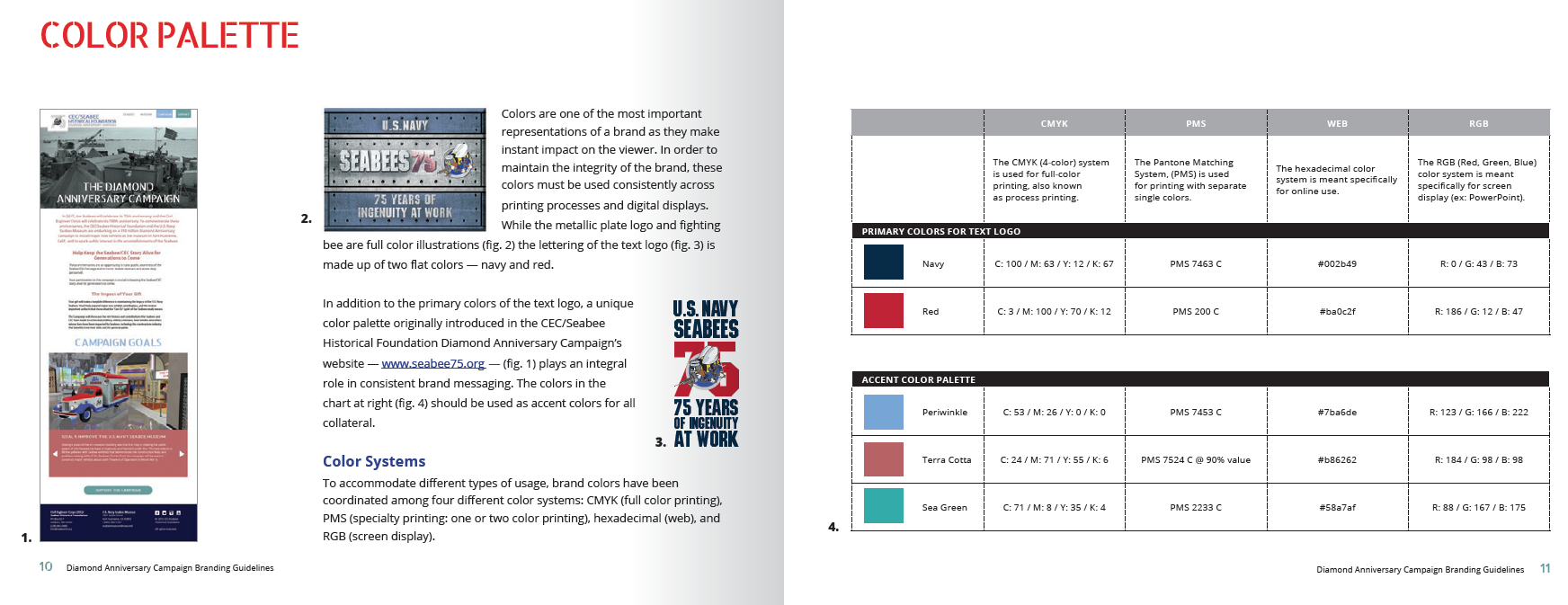
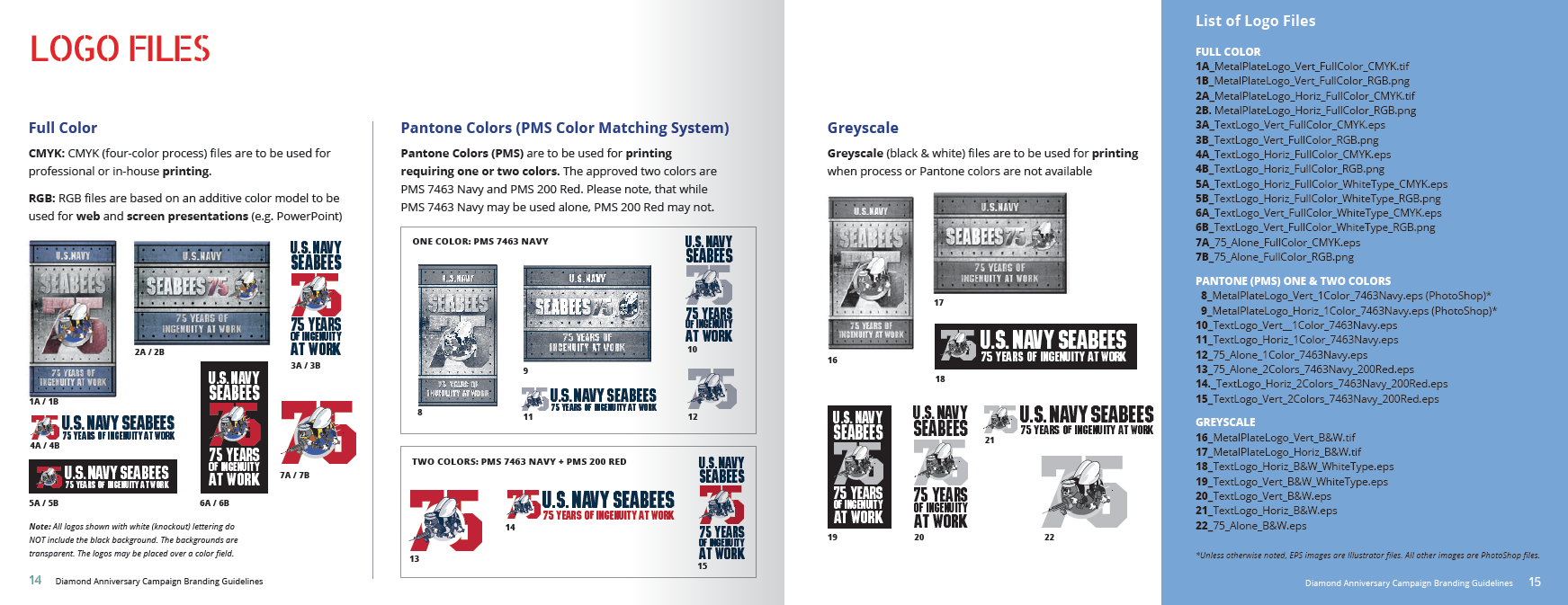
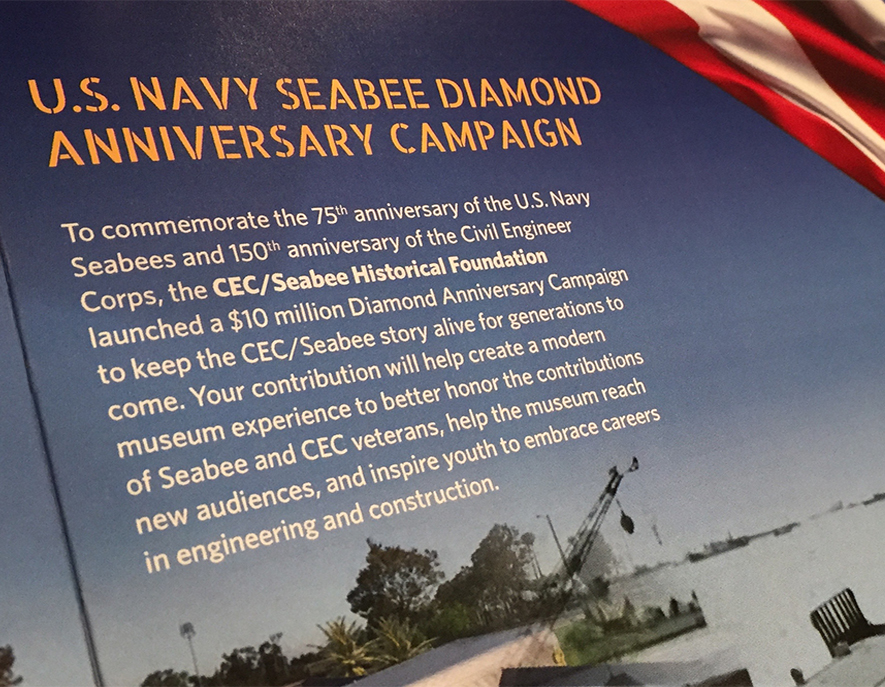
The theme we developed — 75 Years of Ingenuity at Work — anchors the campaign in the Seabees’ diamond anniversary while making their legacy relevant to audiences who may never have heard of them. The campaign logo and visual identity system were built around that idea: flexible enough to work across print, digital, and event materials, consistent enough to build recognition across a long campaign. We delivered a complete style guide with all assets so the Foundation’s team could execute independently across every fundraising touchpoint.

Seabee Brand Manual 1
Seabee Brand Manual 2
Seabee Brand Manual 3

A Website That Pulls Donors Into the Story

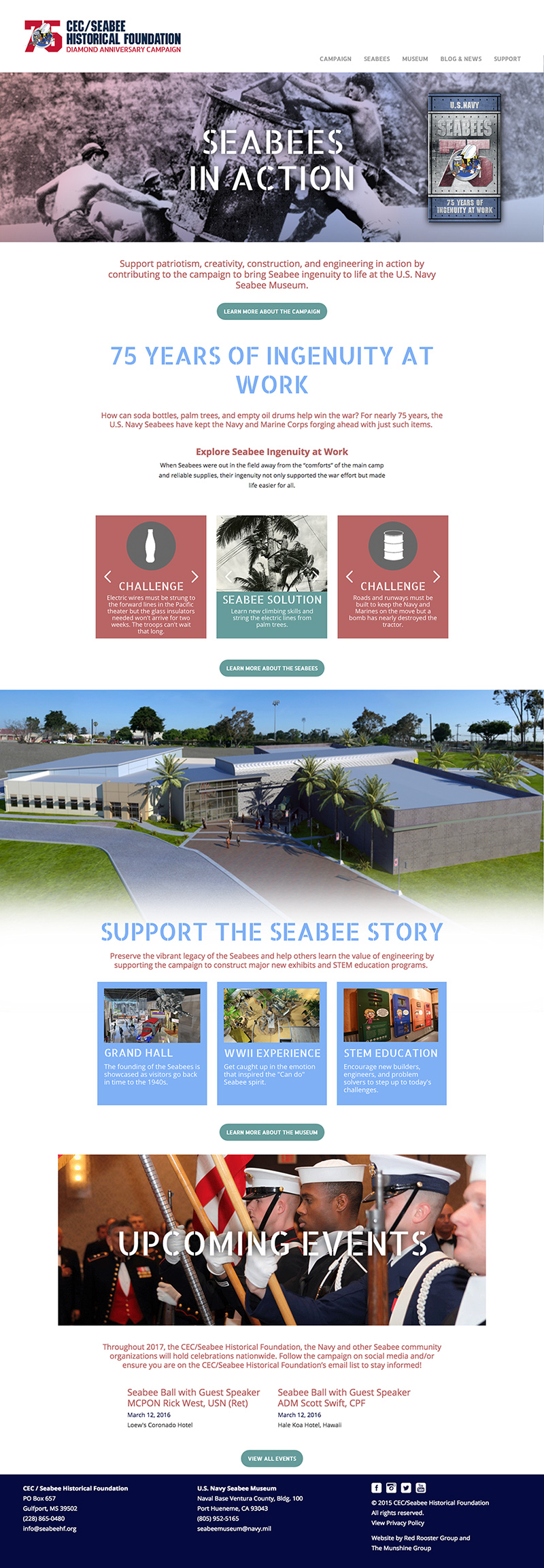
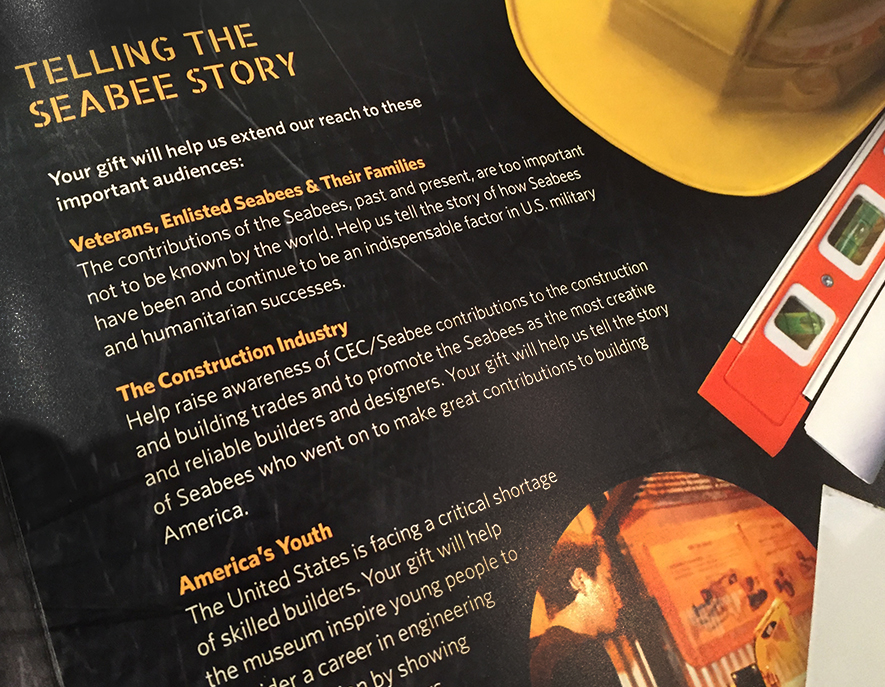
The campaign website was designed to do more than present information — it invites visitors to explore the Seabees’ ingenuity before ever asking them to give. Prospective donors learn who the Seabees were, what the museum represents, and specifically how their contribution will transform the visitor experience. The site gives every audience segment — veterans, industry leaders, educators, and first-time visitors — a reason to care.

Seabee Homepage

A Brochure Built on Action Design Principles

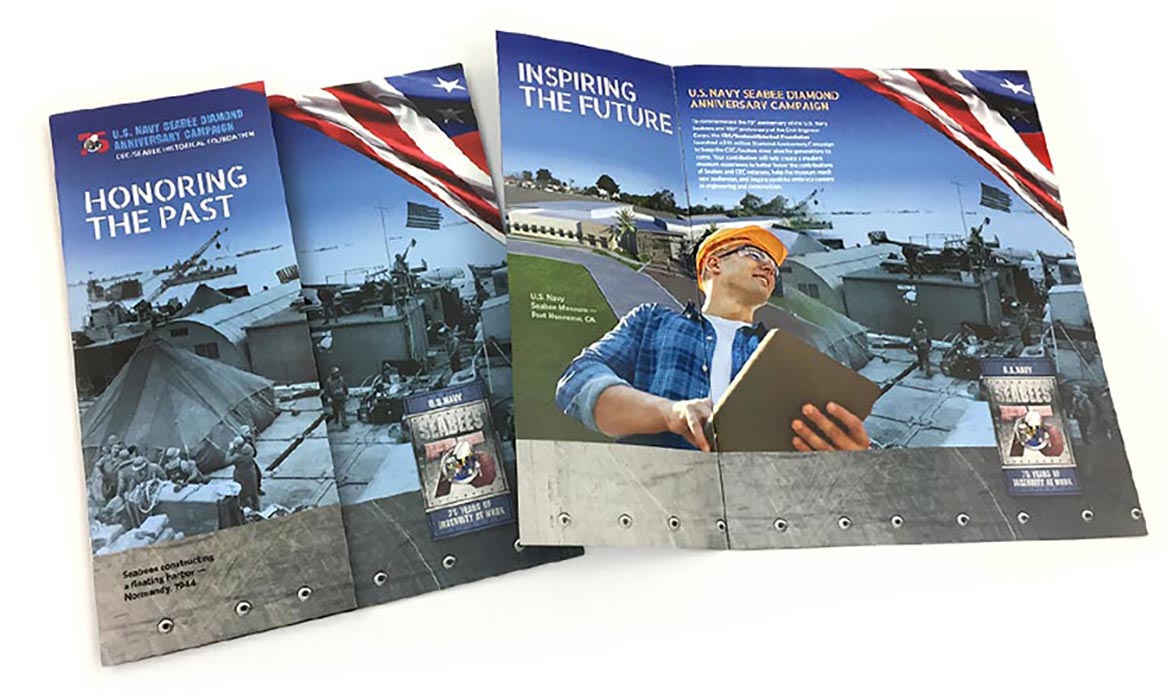
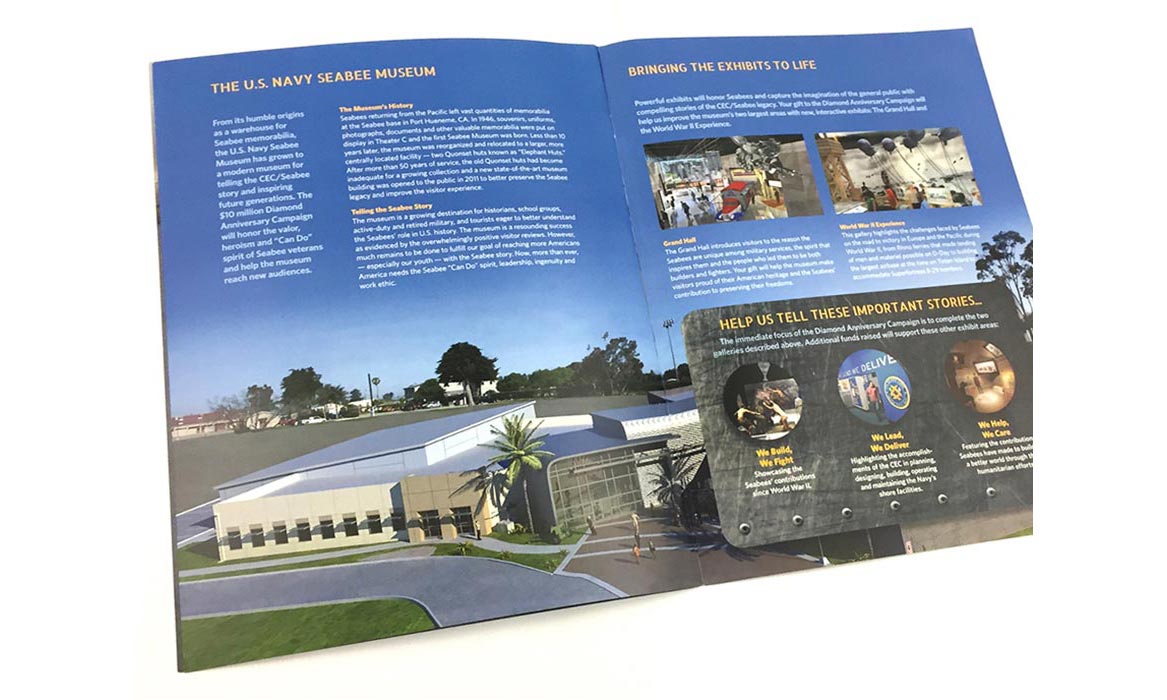
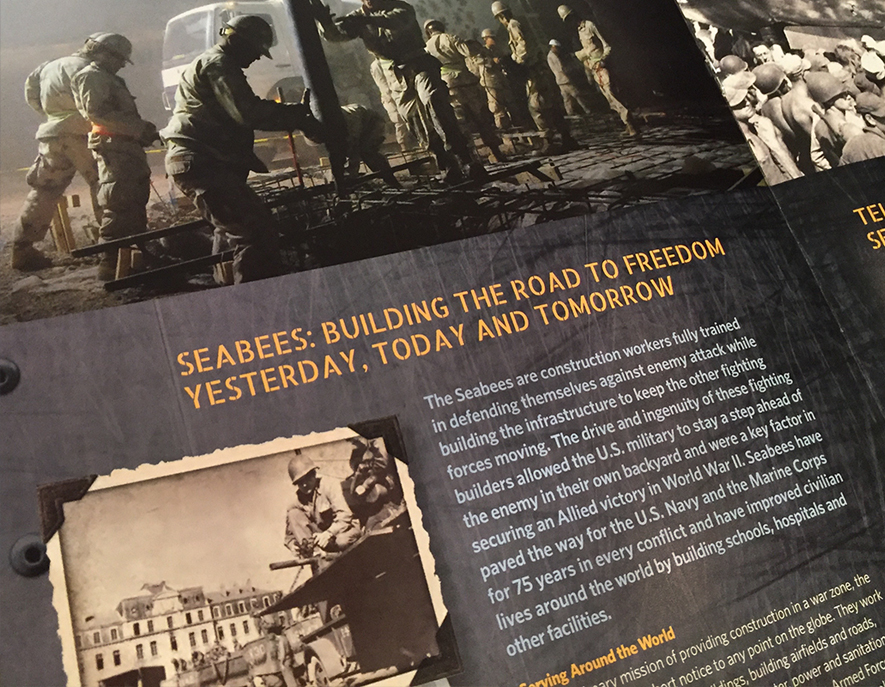
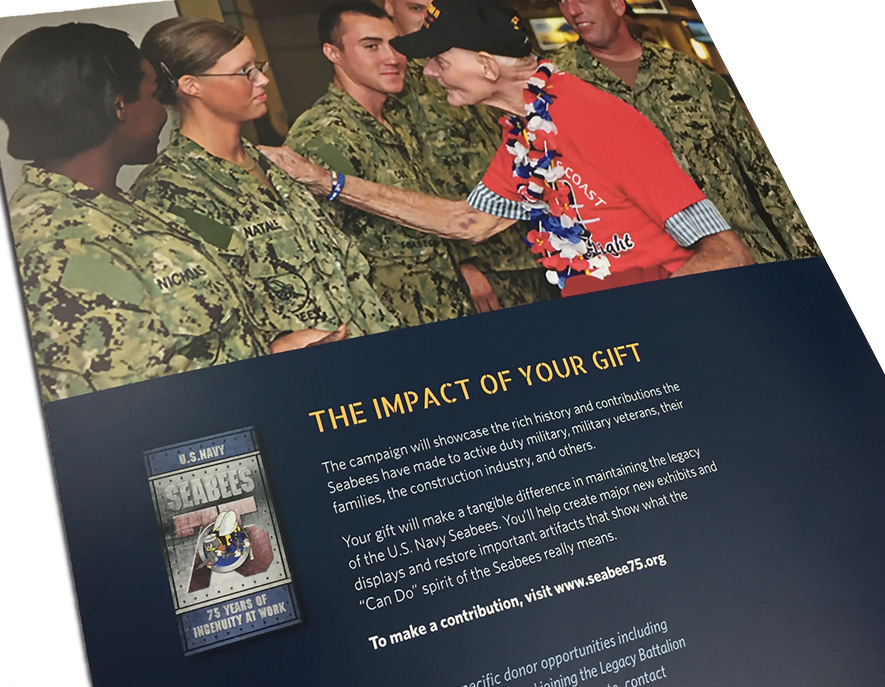
The campaign brochure was crafted using Action Design — a framework for moving readers from awareness to commitment. Rather than leading with need, it leads with identity: the pride military families feel in service, the relevance of Seabee skills to today’s workforce, and the power of the museum to inspire the next generation of engineers and builders. It makes the case that preserving the Seabees’ story isn’t nostalgia — it’s an investment in the future of American innovation.

Seabees Brochure
Seabees Brochure
SeabeeBrochure_2
SeabeeBrochure_3
SeabeeBrochure_4
SeabeeBrochure_6

A Legacy Preserved. A New Generation of Supporters Engaged.

The 75 Years of Ingenuity at Work campaign gave the Foundation the tools to tell a story that had never been told quite this way — and to tell it to audiences who had never heard it. By anchoring the campaign in the Seabees’ defining trait rather than their military history alone, we helped the Foundation move beyond its traditional donor base and make the case for a museum that belongs not just to veterans but to anyone who believes in American ingenuity, skilled labor, and the people who build things that matter.

To give the campaign lasting momentum, we built a communications strategy around the voices of core donors — Seabee veterans and their families, alongside business and industry leaders who connected with the mission. Their stories became the campaign’s most powerful fundraising tool, demonstrating the breadth of the Seabee legacy and the range of people it inspired.

The campaign website anchored the ongoing storytelling with a blog that kept the campaign alive between solicitations, featuring new Seabee stories, donor spotlights, and updates on the museum’s progress. It gave supporters a reason to stay engaged, share the campaign with their networks, and see themselves as part of something larger than a single gift.

New Message & Brochure Positions Disabilities Organization for Success

Positioning a Disability Organization for Success

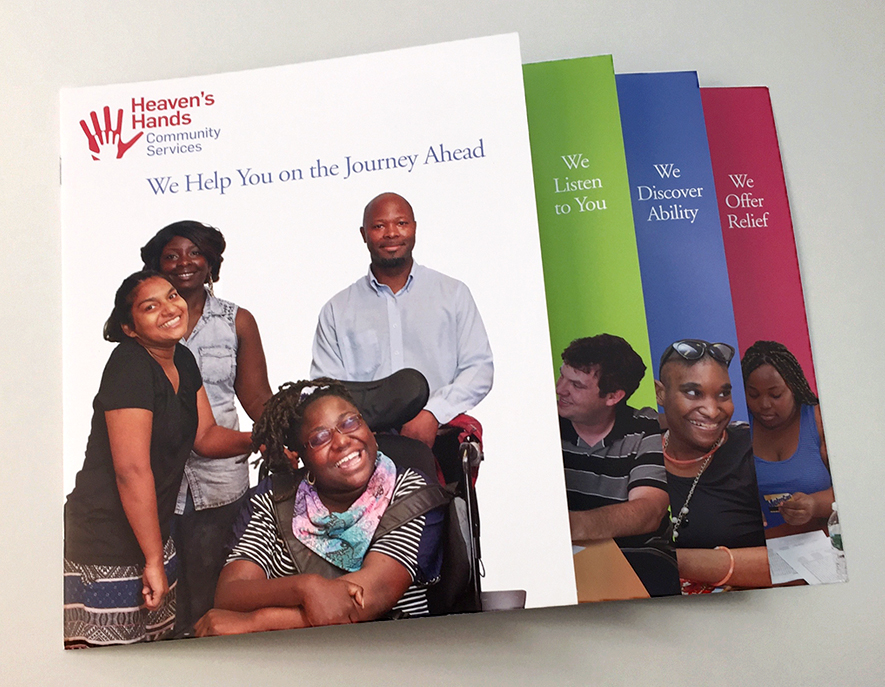
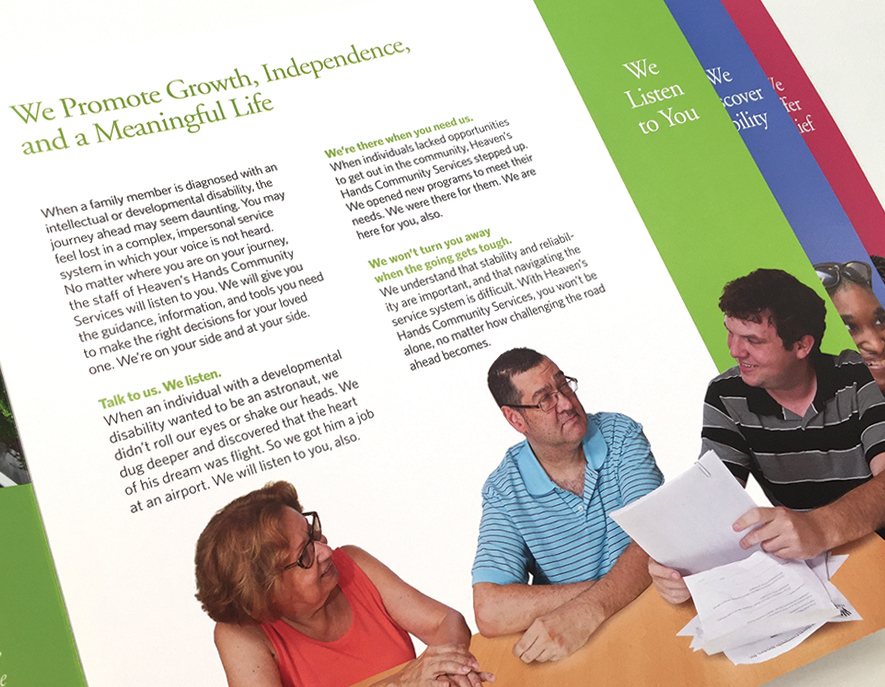
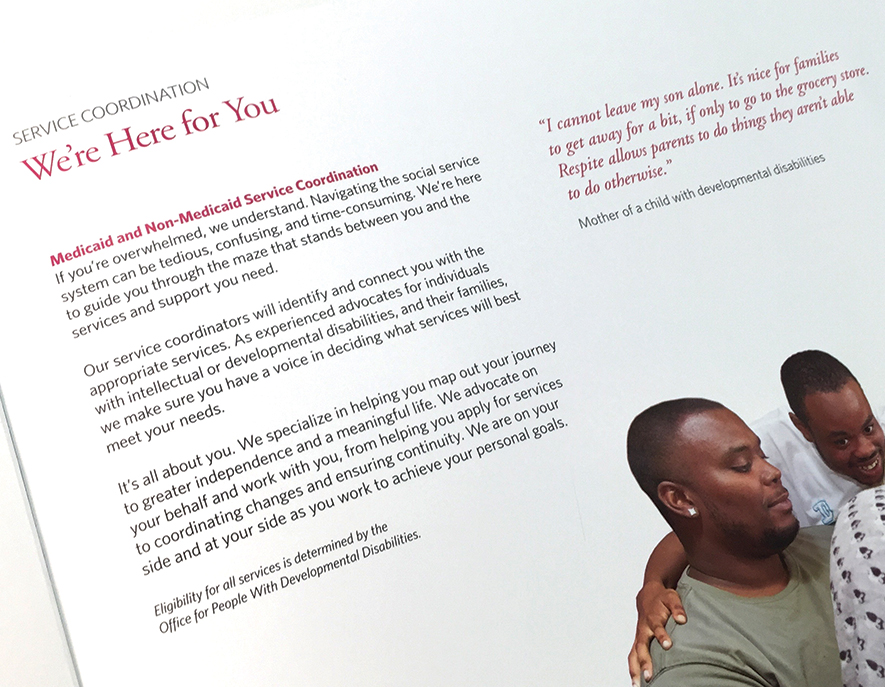
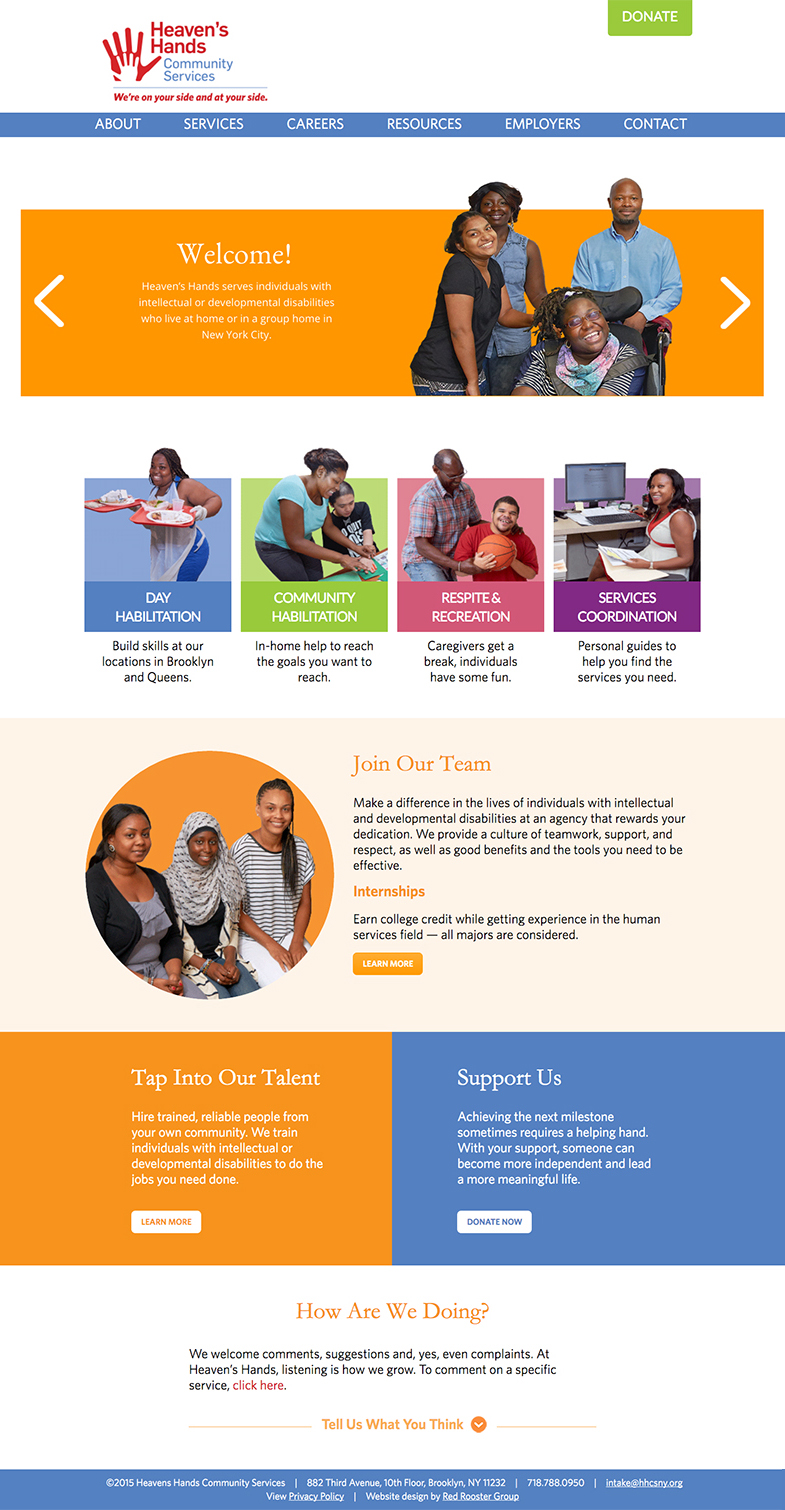
Heaven’s Hands Community Services had grown to encompass a full spectrum of services for the developmentally disabled. It needed to tell its story better in order to reach more families and attract new funding. Red Rooster Group developed a brand strategy and message that highlighted the agency’s uniqueness. We developed a new website, created a suite of brochures, and trained staff to connect with their audience on a deeper level. The result was a shift in the way the agency markets itself and a new standard for marketing services for people with disabilities.

Heavens Hand Brochure Cover
Heavens Hand Brochure
Heaven’s Hands Home

“When I hired Red Rooster Group, I thought we would have a meeting and talk about our mission, vision, and what we wanted, and then a month and a half later, we’d get the product. Instead, you drilled down, asking questions to learn more about all aspects of our services. The process has been time-consuming, but now I understand why. It has resulted in brochures and a website that I’m very proud of — it is really, really good stuff!”

— Lorenzo Brown, Executive Director

New Name, Logo & Brochure Launches New Venture

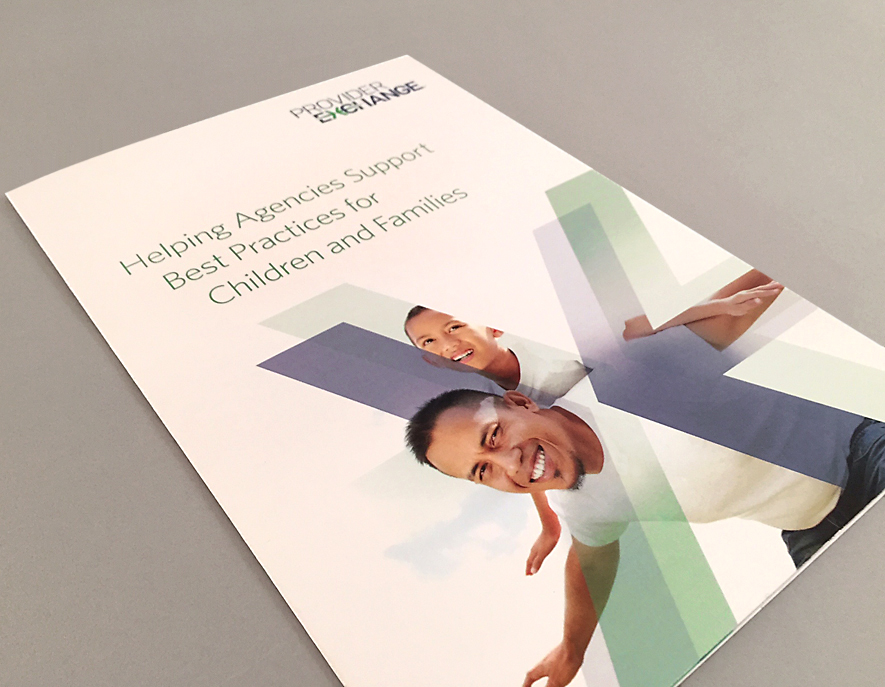
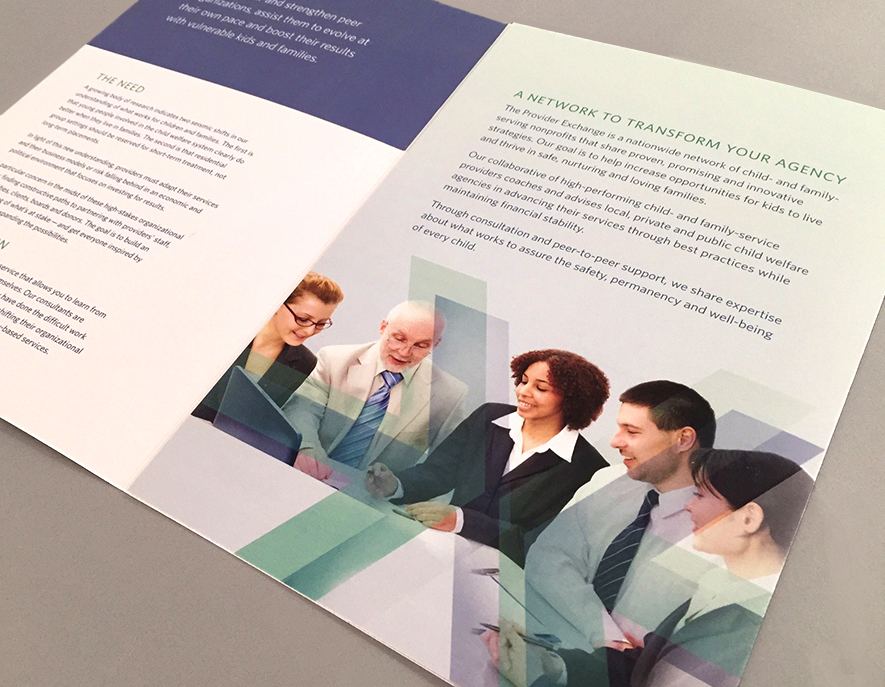
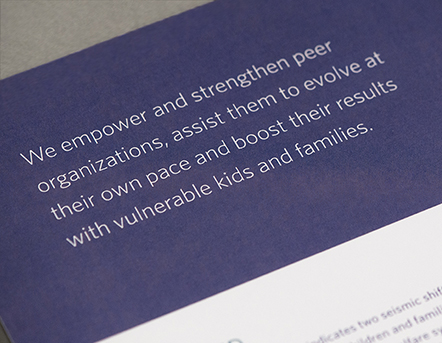
Provider Exchange Brochure
Provider Exchange 2 S
Provider Exchange 4 S

Client: Annie E. Casey Foundation

To help child welfare agencies implement best practices for youth aging out of the child welfare system, the Annie E. Casey Foundation started a project to help organizations learn from their peers.

Red Rooster Group helped to launch the initiative with research to identity insights for its success, messaging to describe this new model, naming the venture Provider Exchange, and creating the visual identity and marketing materials to appeal to audiences.

After a successful first year, the program is now serving a new cohort of organizations, including member agencies of Lutheran Services in America.


“Our partnership with the Provider Exchange® provides technical assistance on models of care and strategies that truly make a difference in the lives of older youth. We are excited about the learnings that will come from this group and the opportunity to share these findings more broadly with our members and the Harvard Kennedy School.”

— Charlotte Haberaecker, President, Lutheran Services in America


Read more about the process.

Updated Messaging & Materials Breathe New Life Into Social Service Agency

How does a 112-year-old social service agency increase its visibility to engage participants and donors?

A clear, purposeful message, unified voice, and visual look with consistency across all marketing galvanized staff and inspired donors.

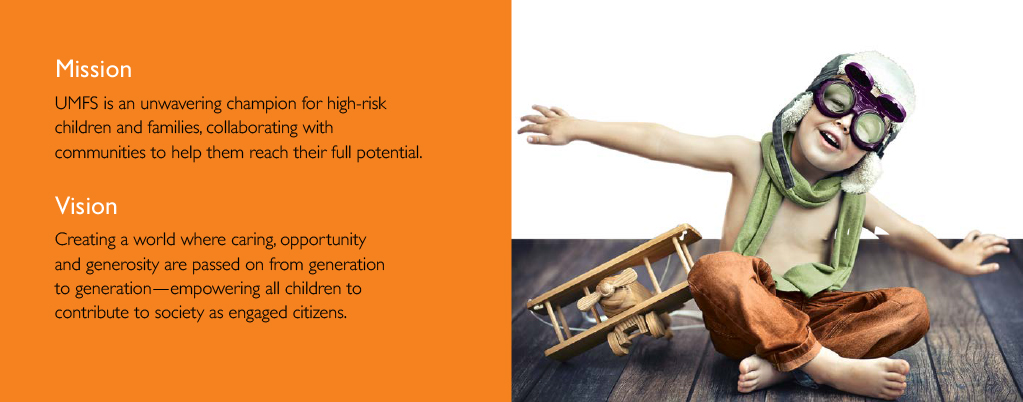
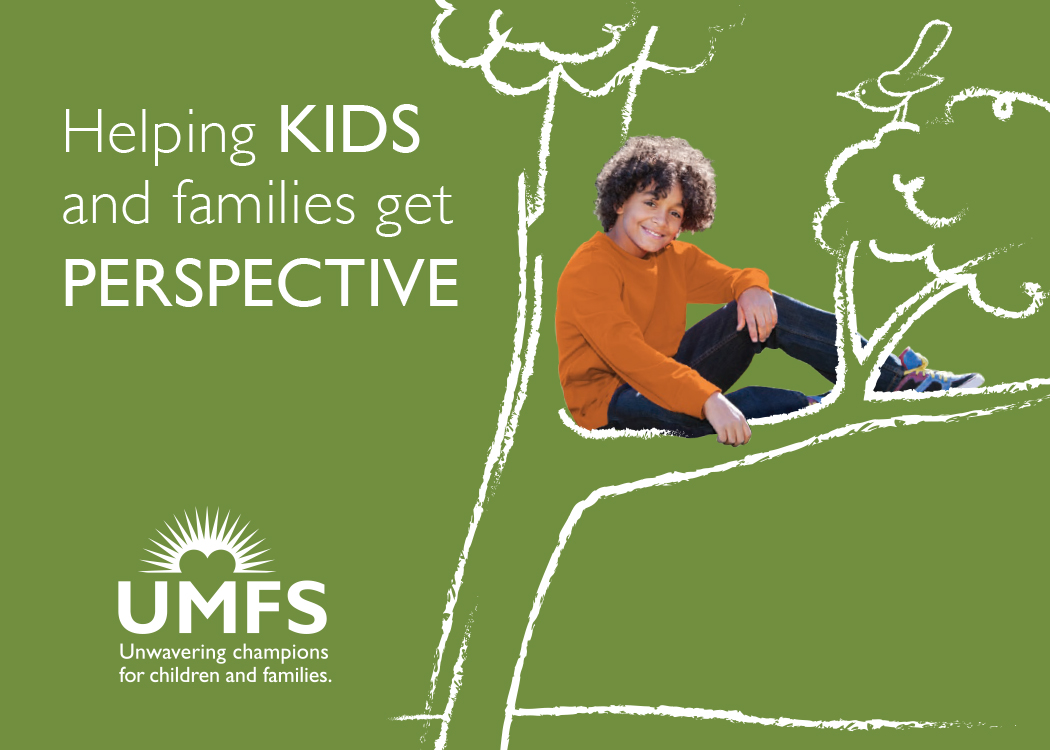
UMFS had a cliché mission statement: Touching lives. Creating futures.

We gave them a new one around the theme of unwavering champions for high-risk children and families.

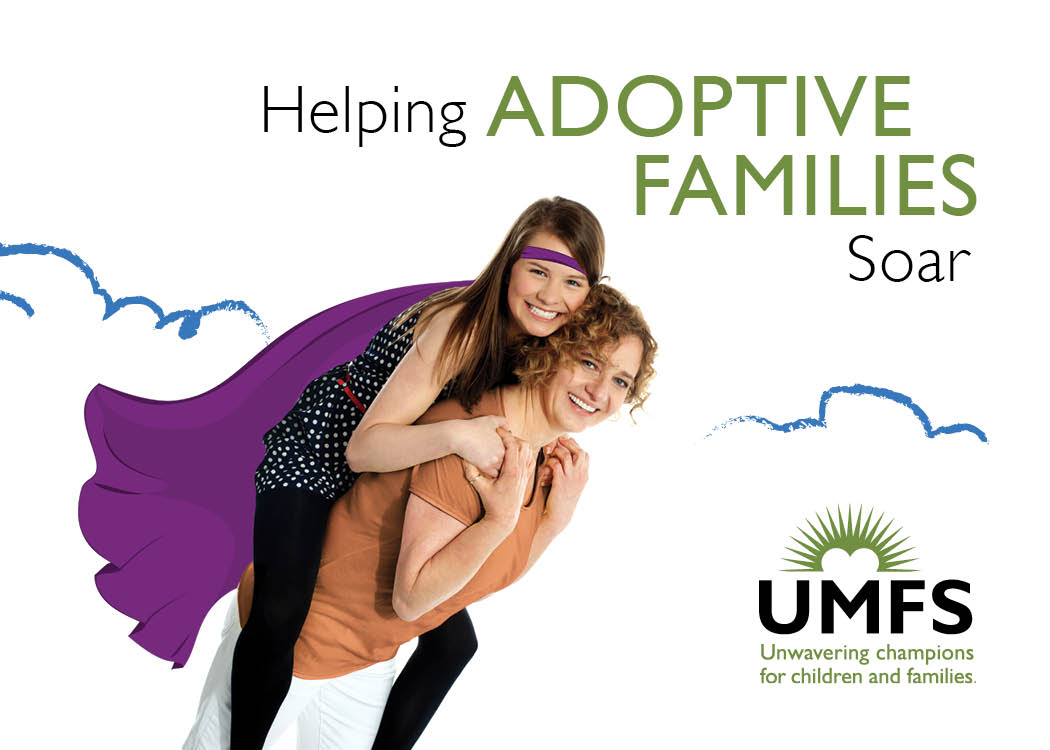
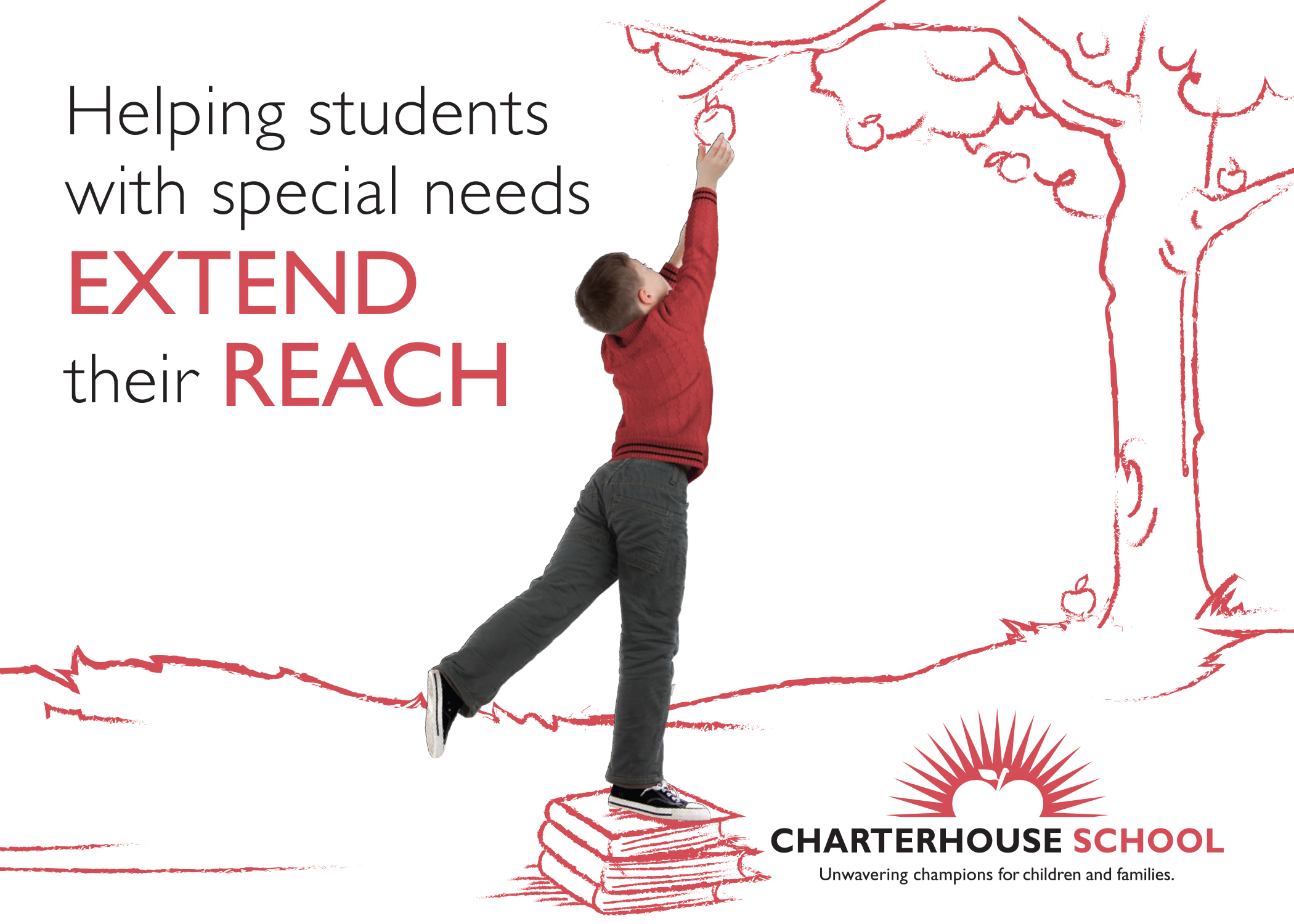
We created a cohesive and recognizable visual look with inspiring headlines around their theme that helps UMFS stand out from other social service agencies.

UMFS Organizational Brochure
UMFS Brochure 3
UMFS Brochure 5
UMFS_DonorBrochure
UMFS Brochure 4
UMFS Brochure 6

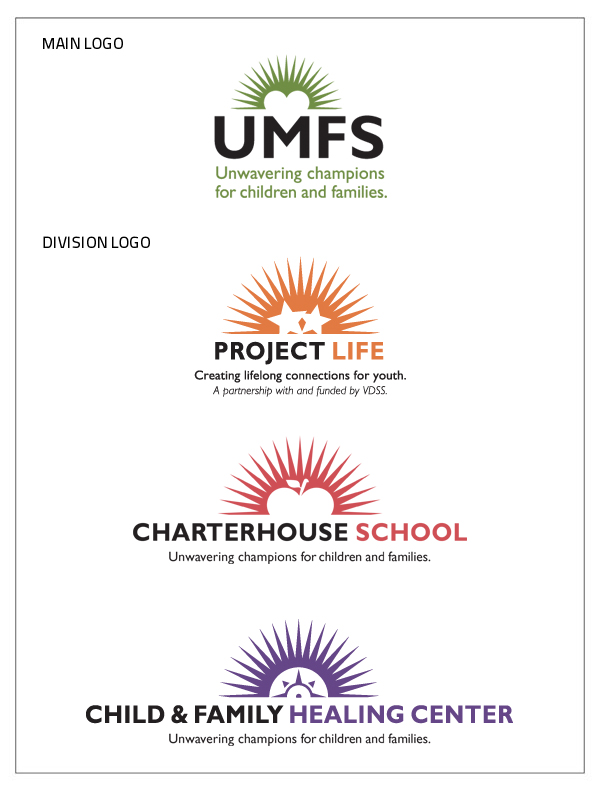
We unified their visual identity so that all divisions have appropriate symbols that connect to the parent organization.

UMFS Brand Architecture

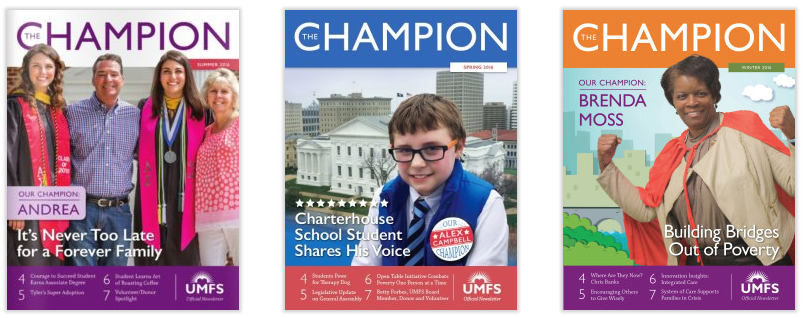
To reflect UMFS’ new messaging we changed the name of their newsletter from Guardian to The Champion and showcased people who are living the organization’s mission.

Champion Newsletters

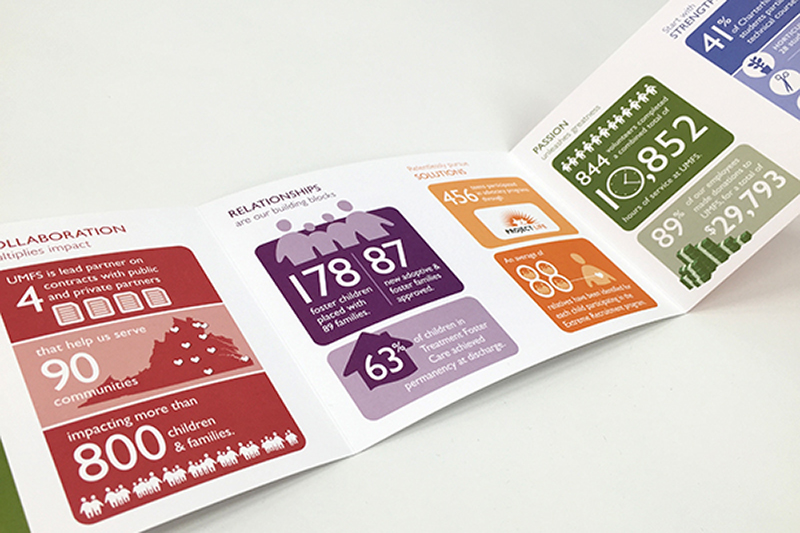
To communicate the organization’s successes in a compelling way in their Impact Report, we created infographics visualizing accomplishments in five areas corresponding to their values.

UMFS Impact Brochure

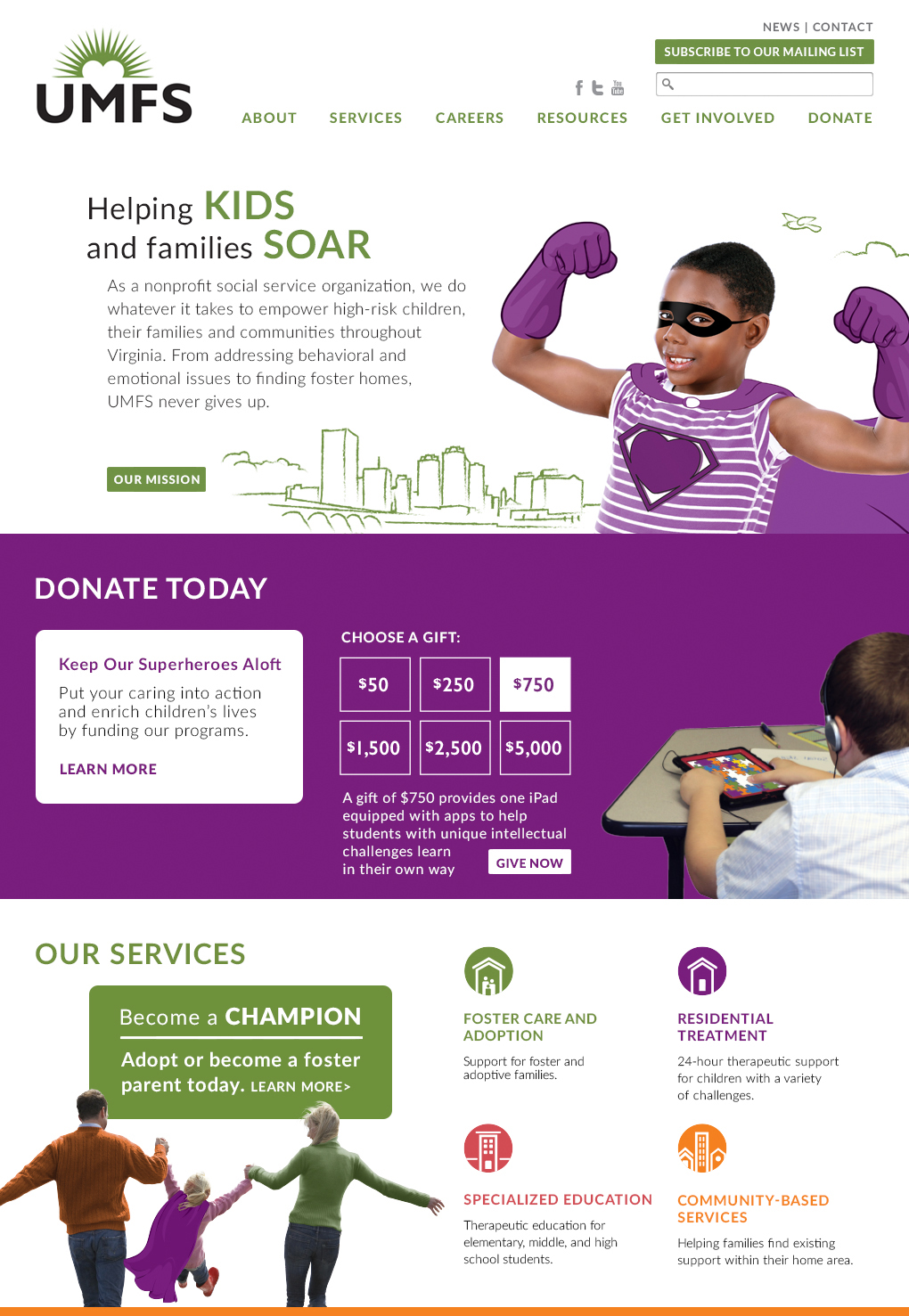
We developed a responsive website that appealed to clinicians, parents, and donors. We wrote and designed the website to make it easy for users to understand UMFS’ services and take action, as well as for staff to update.

UMFS Homepage

A benefit-oriented headline, short copy, and unique graphics greet site visitors.

A rollover invites site visitors to explore donation levels.

Information is presented in small increments and reflows when viewed on tablets and phones.

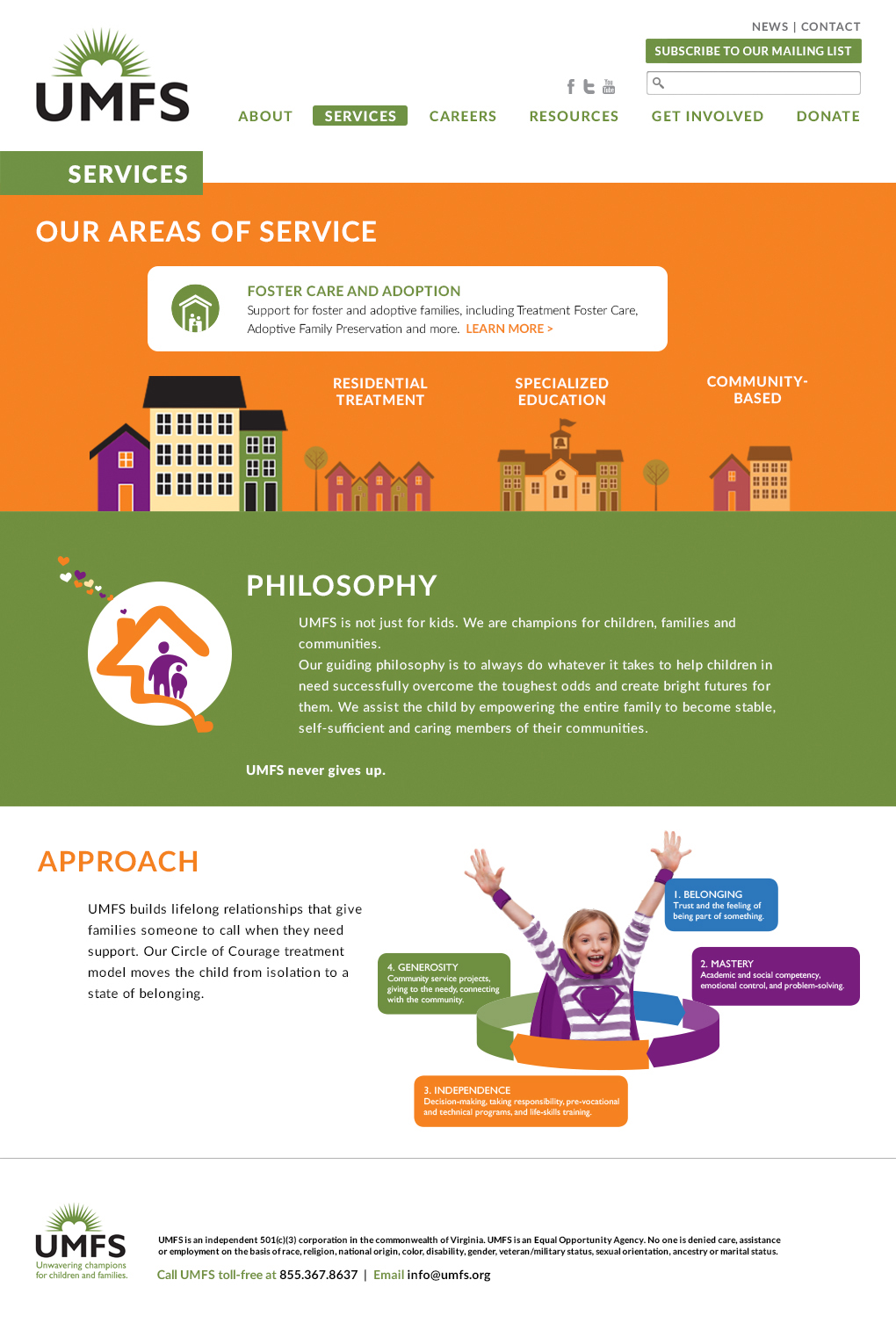
Throughout the site, stylized illustrations contribute to a design that’s both inviting and informative. Pages for each division of the agency thoughtfully address the concerns and challenges faced by each demographic.

A rollover invites site visitors to explore services.

Modular block system makes pages interesting, and can be easily updated by the client.

UMFS106_5_Services copy

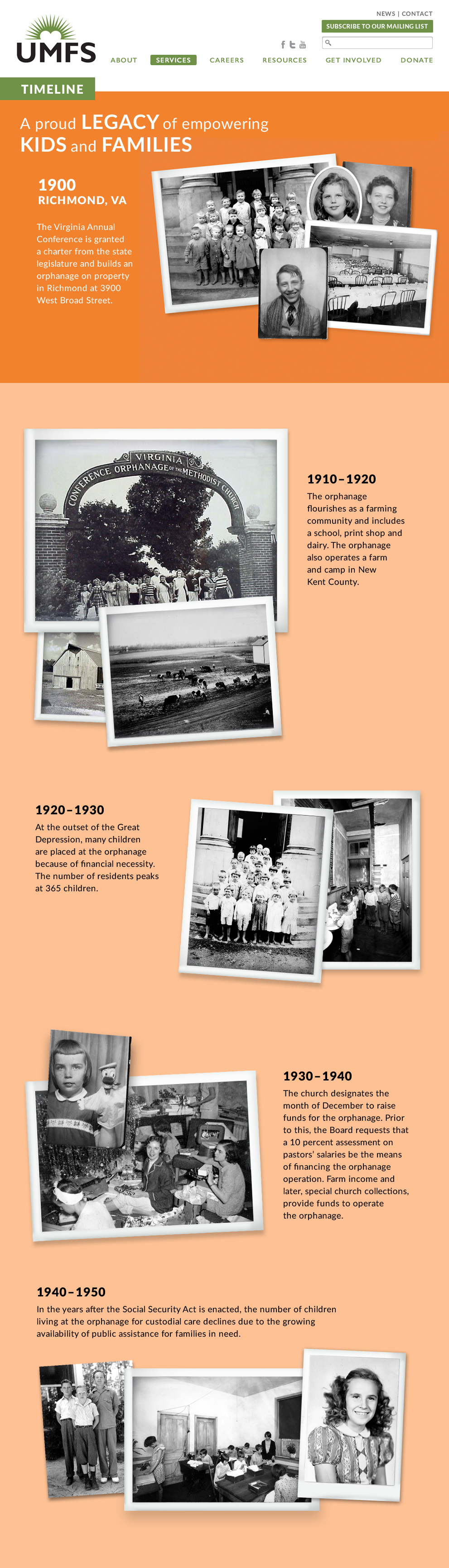
The History page features a vertical timeline with vintage photos.

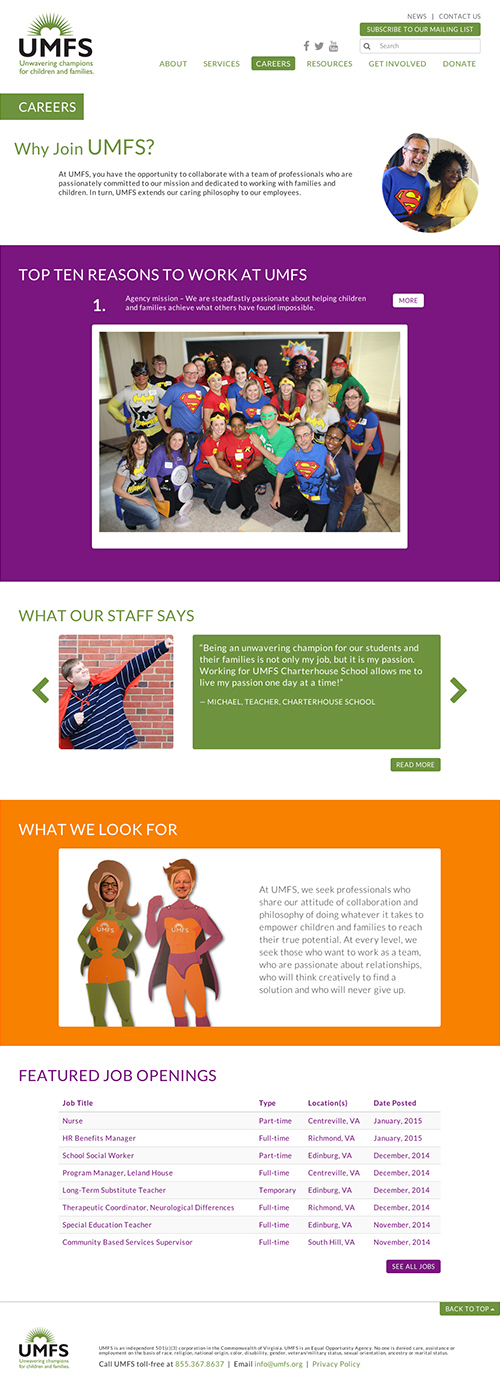
The Careers page was designed to attract high-quality staff.

Updated Messaging & Materials Breathe New Life Into Social Service Agency
UMFS_Careers

To help UMFS communicate its message to its 300 employees statewide, we created a brand book that illustrates key points in an easy-to-understand way. 

UMFS Brand Book

UMFS Brand Book11
UMFS Brand Book13
UMFS Brand Book14

We held brand workshops for key staff and the board to help them understand and embrace the brand messages. The sessions included hands-on activities to create enthusiasm for their brand.

UMFS Brand Launch 1

Red Rooster Group staff introduce UMFS’ new messaging.

UMFS Brand Launch 2

About 80 key staff attended the workshop. We held a separate session for the board.

UMFS Brand Launch 6

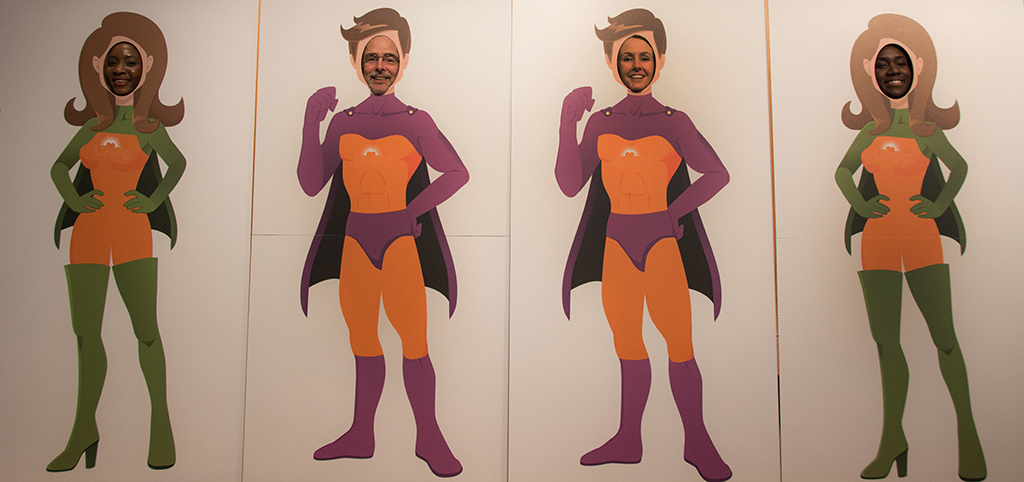
To emphasize the message of ”Unwavering Champions,” we created cutouts so people could photograph themselves as champions.

UMFS Brand Launch 3

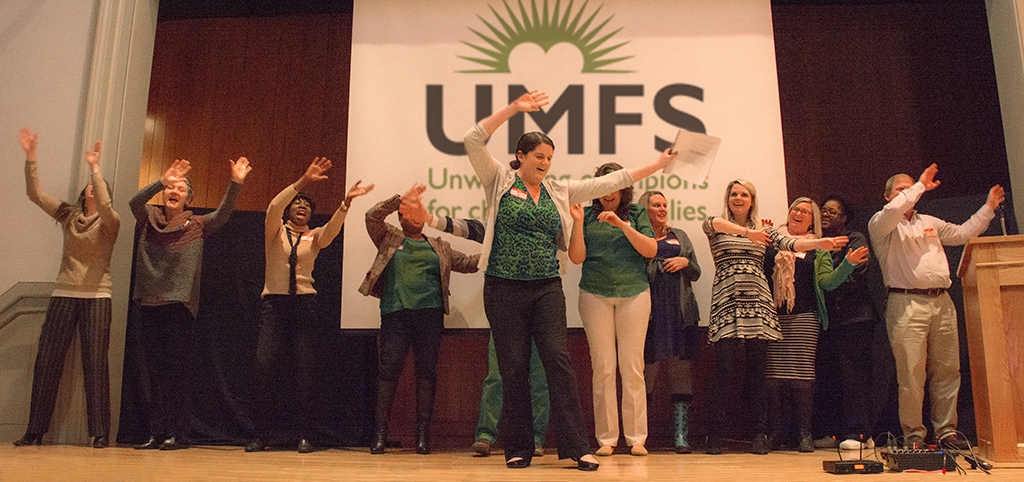
For one activity, participants wrote and performed a song using UMFS’ new messages.

UMFS Brand Launch 4

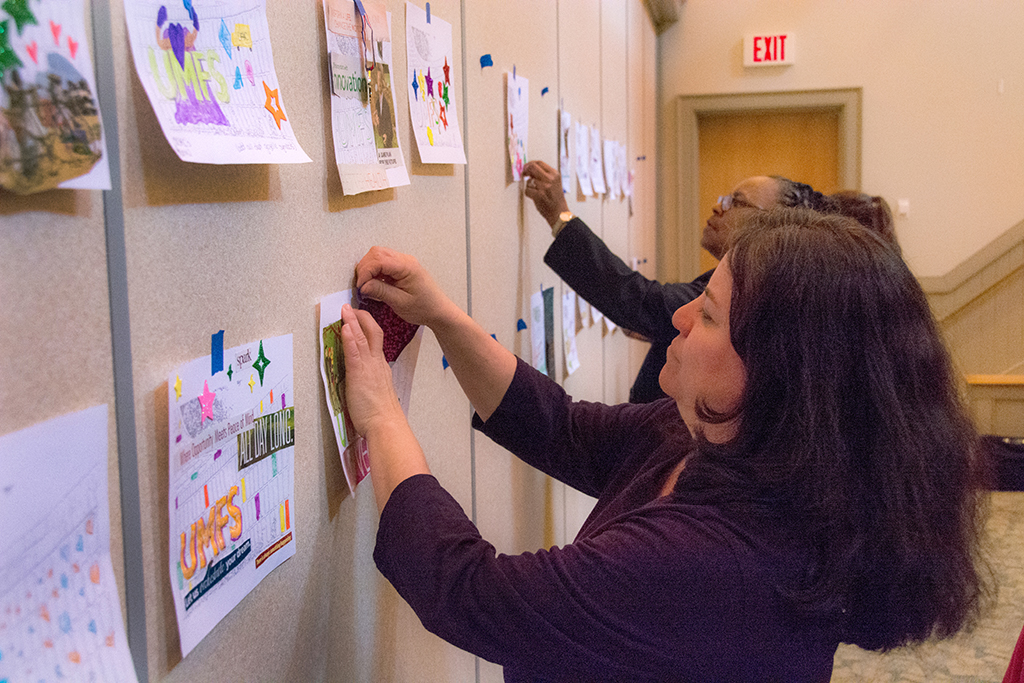
We asked participants to decorate and post a sheet depicting the wall surrounding their campus to demonstrate what’s behind the wall.

UMFS Brand Launch 5

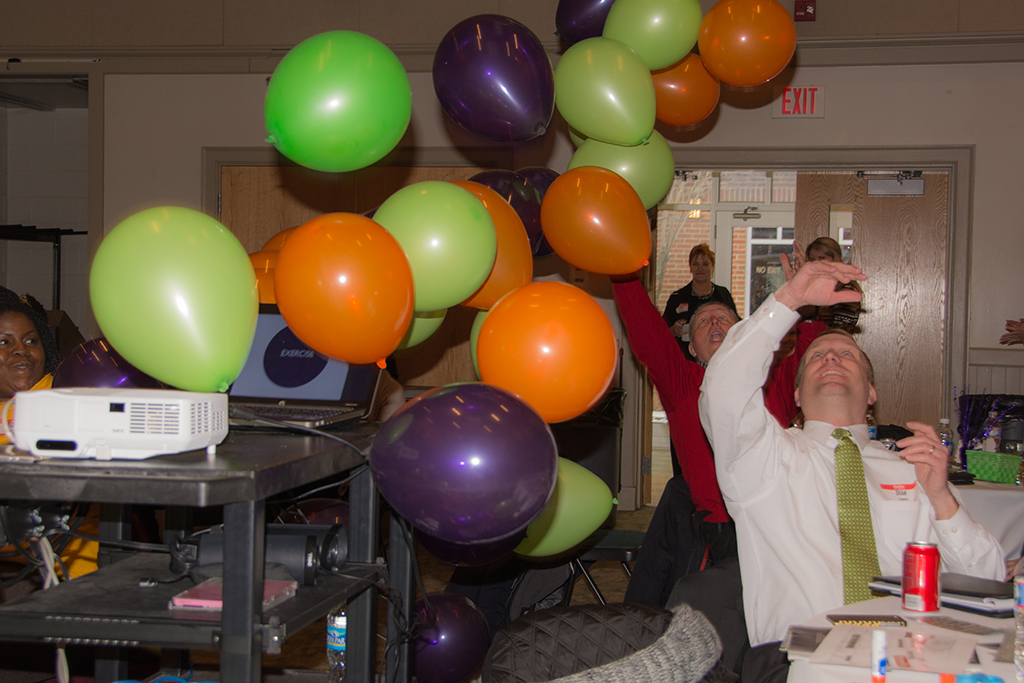
A balloon drop helped generate excitement and underscore the importance of the brand initiative.

“You guys really nailed what we are all about. I really feel I understand our messages, and embrace them.”

BRAND WORKSHOP PARTICIPANT”

The UMFS staff is now living their brand!

UMFS Champions

“Red Rooster Group captured the social impact and organizational DNA that was a part of our culture. Due to our new mission, we proudly refer to ourselves as unwavering champions for high-risk children and families. Our board and staff have rallied around this bold new message and our donors, customers, and competitors have taken notice.”

Greg Peters_casualEdit

GREG PETERS
UMFS, President & Chief Executive Officer

Brand Update Promotes Largest Educational Organization In India

Pratham USA

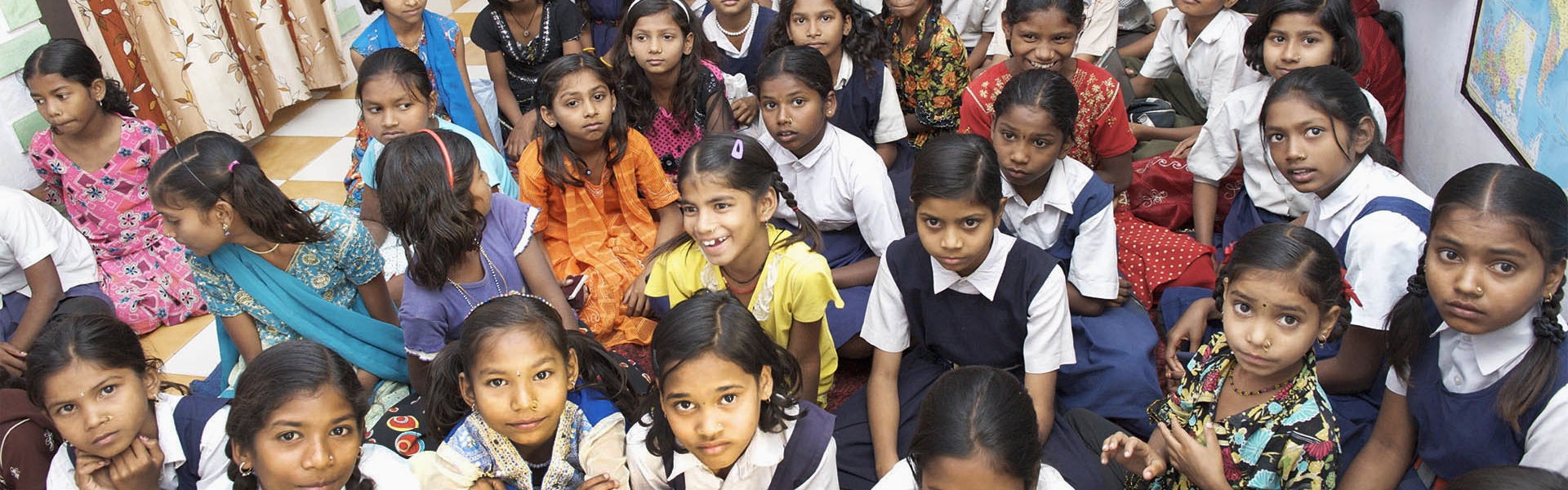
Pratham-Group-of-Children

Promoting the Largest Educational Organization in India

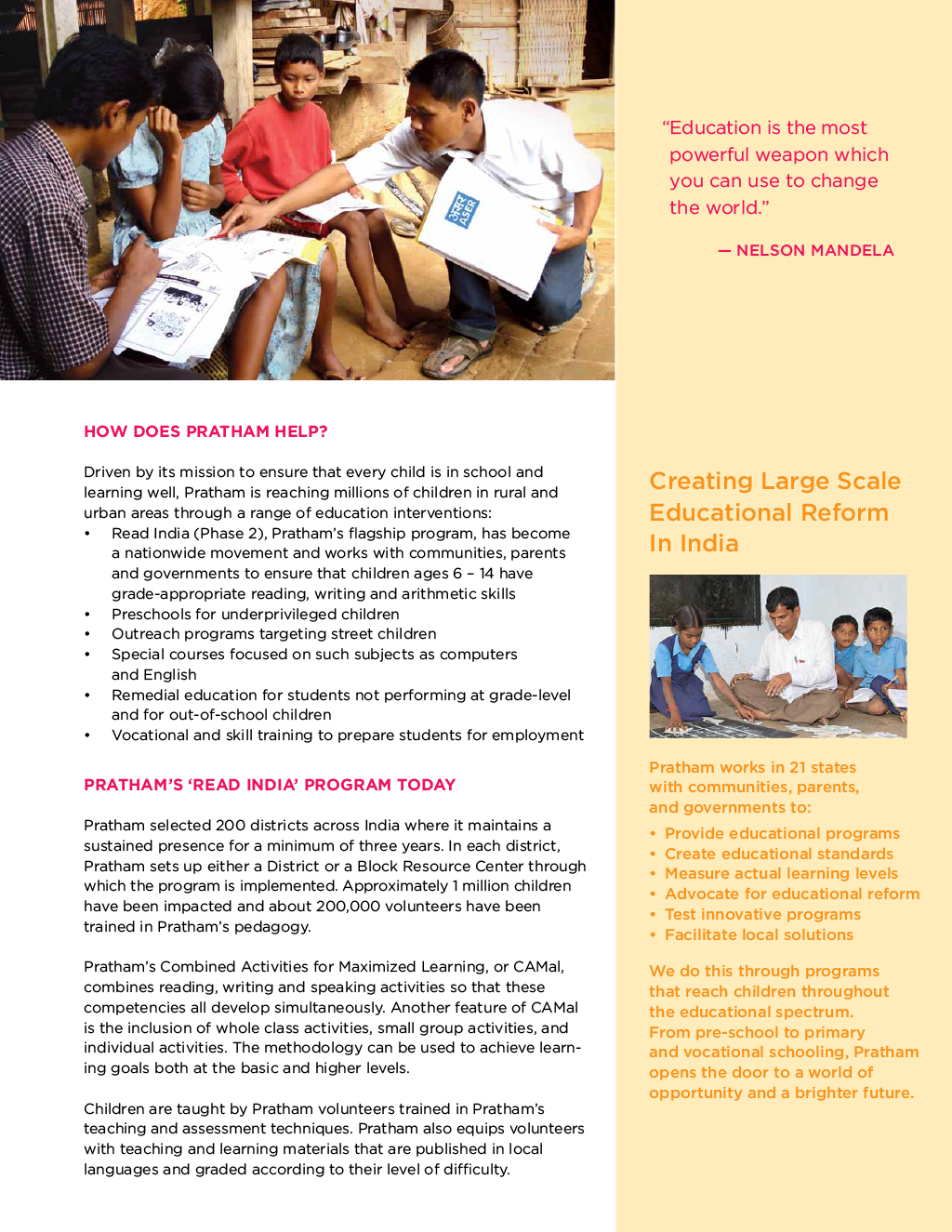
Pratham USA wanted to strengthen its image and give its 15 chapters the communication tools they needed to be more effective in raising money for the organization. Red Rooster Group was brought in to develop a comprehensive brand, marketing strategy, and fundraising materials.

Services

  • Discovery
  • Workshops
  • Communications Assessment
  • Communications Plan
  • Marketing Plan
  • Brand Strategy
  • Brand Architecture
  • Core Fundraising Messaging
  • Case for Support
  • Donor Brochure
  • Donor Presentation
  • Annual Report
  • Website
  • Peer-to-Peer Fundraising

Building Marketing Foundations for Success

Pratham has taken on one of the worst problems in the world — literacy — with innovative yet proven tactics. It is one of the few nonprofits in the world that invests in Randomized Control Trials, an expensive but accurate way to assess effectiveness. 

Pratham’s methods are used in 14 countries on three continents. The results guide government policy as well as help ascertain the best methods to teach reading to children. 

Pratham USA raises money to support these efforts. Because the challenges are so great — 300,000 children in India cannot read — Pratham needed a marketing and fundraising strategy to get the word out about Pratham’s impact and expand its base of supporters.

We developed a marketing strategy as well as fundraising and communications plans and marketing materials to drive their outreach efforts.

Conducting Research

To find out why fundraising had plateaued and laid the foundation for their marketing and fundraising strategy, we conducted the following research to identify the challenges and opportunities.

  • Researched similar organizations in the sector.
  • Conducted a survey of donors.
  • Conducted workshops for national and chapter leaders.
  • Reviewed the past year of email and other communications with donors.
  • Determined marketing priorities.

Communications Plan

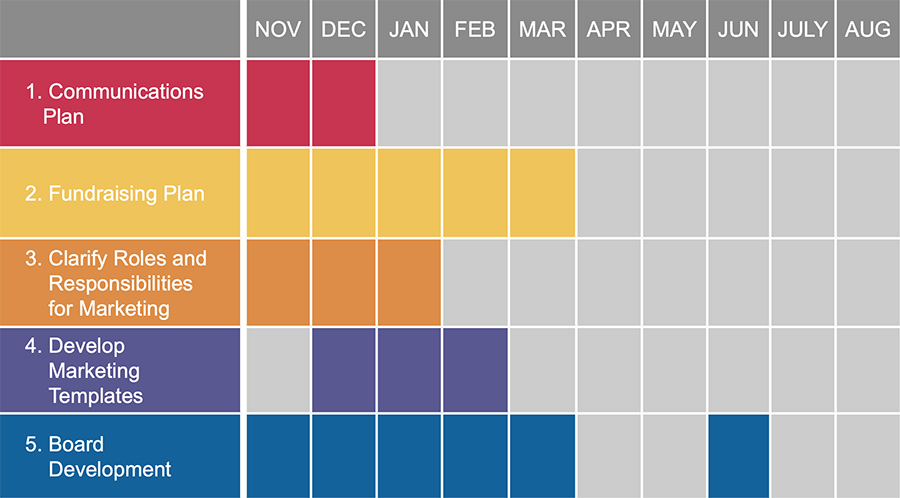
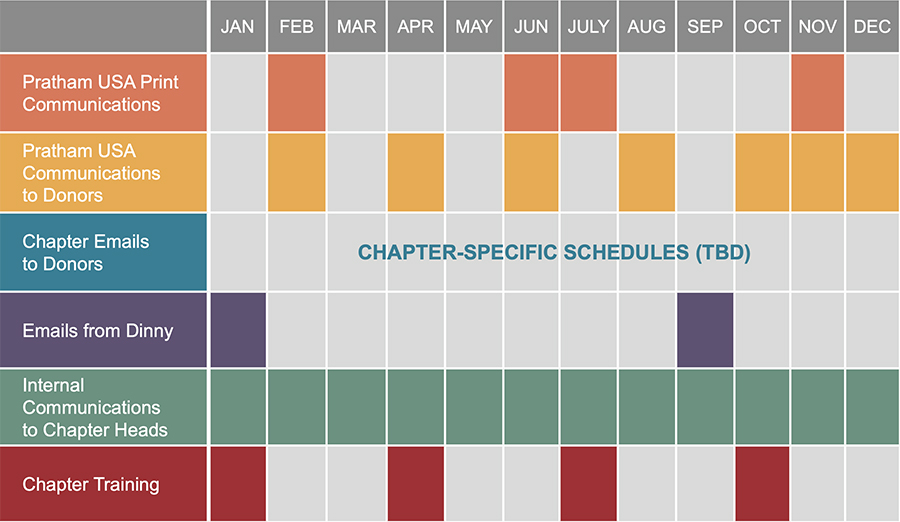
During our research, we found that communications with donors were sporadic and visually inconsistent. We developed a 24-month communication plan that coordinated the outreach of the national office with that of all the chapters. The communications schedule ensured that donors were not hit with multiple asks and that all events and campaigns were well-publicized. In addition, we provided templates for each chapter so their outreach would be visually consistent as well as timely.

Marketing Chart
Communications Plan

We strengthened their brand, updated their messaging, and gave each chapter the tools needed to fundraise effectively.

Unifying the Visual Identity

Pratham lacked guidelines for their logo, which resulted in different typefaces, colors and layouts being used, as well as inconsistent treatments for the names of chapters and affiliates.

While Pratham has a clear mission, a logo, and brochures, the organization conveys a very fractured image. This can confuse donors and represent a lost opportunity to build equity in the brand. Another factor is that Pratham in other countries convey their brand slightly differently as well, with different typefaces for the logo and different designs for the website.

BEFORE

Before Logos

AFTER

Pratham Chapter Logos

During the brand review, we assessed that the logo was used in a wide variety of ways in the marketing materials, creating a fractured image for the organization. And chapters were setting their names in different typefaces and colors, undermining the professionalism of the organization.

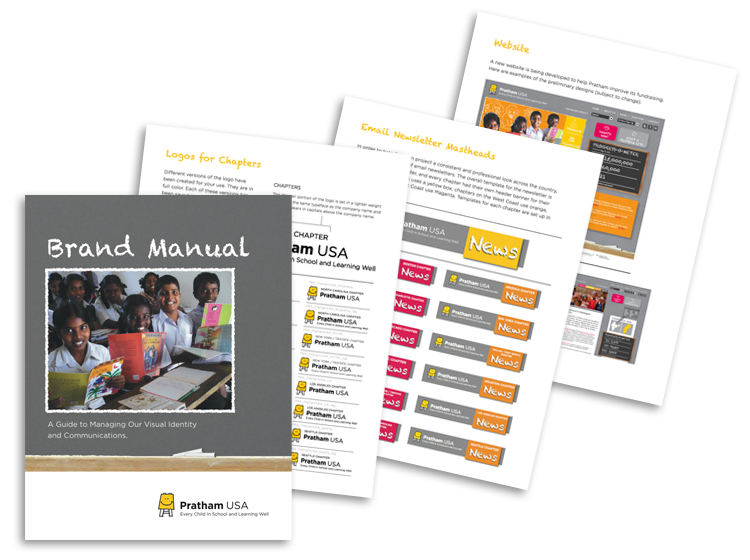
To address this problem, we developed a comprehensive brand architecture for the organization that defined the relationship of the logo and tagline, created consistency for the chapter names and their treatment in the logo, and determined how international affiliates should be styled. We then developed versions of all the logos (15 chapters plus international partners) with and without the tagline in formats for print and web use.

Pratham Brand Manual Pages

Message Development

A core part of the strategy for Pratham USA was articulating Pratham’s global impact in developing and validating new tactics to increase literacy. To help Pratham and all the chapter heads tell their story in a compelling way to appeal to donors, we developed the following messaging tools:

  • A Case for Giving that describes the problem that Pratham addresses, how Pratham helps, Pratham’s impact, and ways donors can get involved and make a difference.
  • Brand Story that summarizes the case for giving.
  • Boilerplate that can be used to remind donors of Pratham’s mission and impact and urge them to donate.

Brand Story

At a time when half of the children in India cannot read, Pratham provides a low cost method to address the problem effectively on a large scale. Pratham is the only organization that empowers individuals through education as well as driving systemic change through a bottom-up approach. By training 60,000 volunteer teachers in 21 states, we are able to provide support for educating the entire population.

Pratham’s successes break the cycle of poverty for families in villages and cities and contributes to the economic and political vitality of India. Pratham has successfully reached more than 34 million children across India. Millions of children who could not even recognize the alphabet when they began now read fluently and with passion. Pratham’s methods have been recognized by leading foundations, including Skoll, Gates, and Hewlett, as a model worth emulating. Pratham’s methods are now being employed to help other countries facing similar educational challenges. Pratham USA, a 501(c)(3) nonprofit organization with a four-star rating (the highest possible) from Charity Navigator, accepts tax deductible contributions from U.S. donors. We depend upon generous donors like you to create educational reform throughout India and the world.

Boilerplate

Pratham is one of he world’s leading non-governmental organizations working to provide quality education to underprivileged youth. With a budget of less than $15 million, we use very low cost and scalable methods and work in collaboration with the government, local communities, parents, teachers and volunteers across the country to educate hundreds of thousands of children every year. Pratham USA, a 501(c)(3) nonprofit organization with a four-star rating (the highest possible) from Charity Navigator, accepts tax deductible contributions from U.S. donors. We depend upon generous donors like you to create educational reform throughout India.

Case for Support

We developed their Case for Support around what the donors need to know:

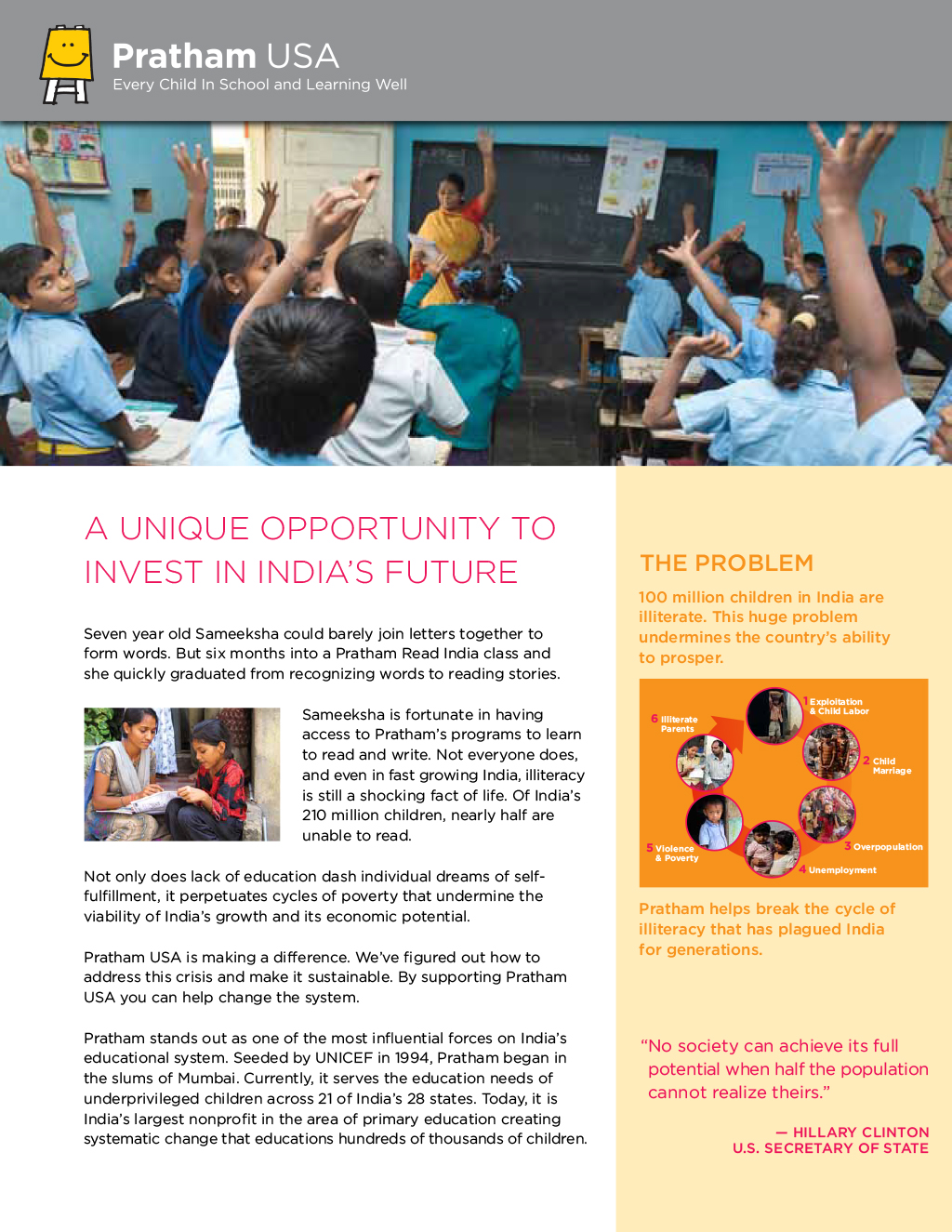
  1. The Problem: What is the problem that the organization is addressing? We humanized the problem of widespread illiteracy in India by telling a story about one girl’s plight. We also provided a visually demonstrated the problem by creating a graphic showing the cycle of poverty that plagues many in India.
  2. The Solution: What is Pratham doing about the problem? We describe Pratham’s programs to build literacy and create systemic change for education in the country
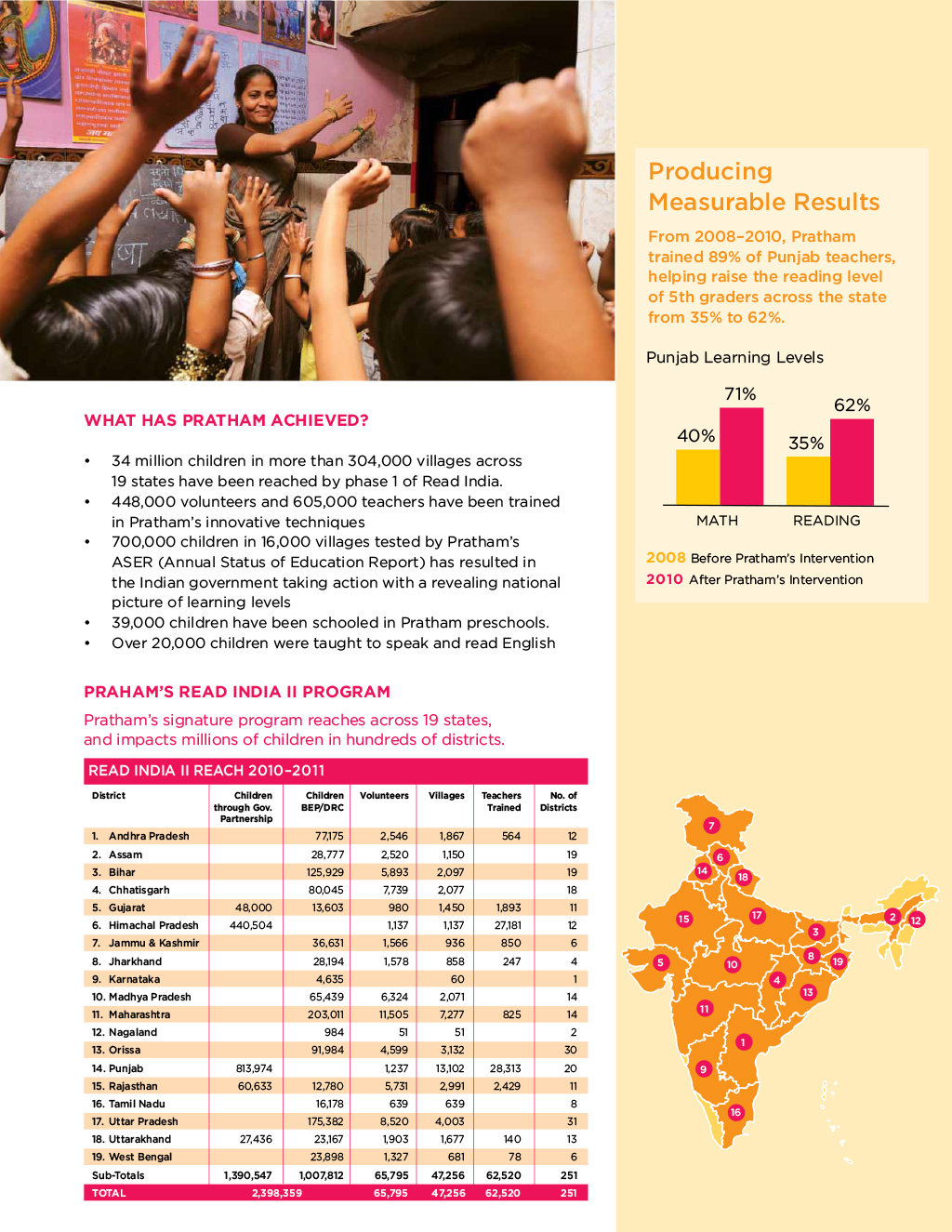
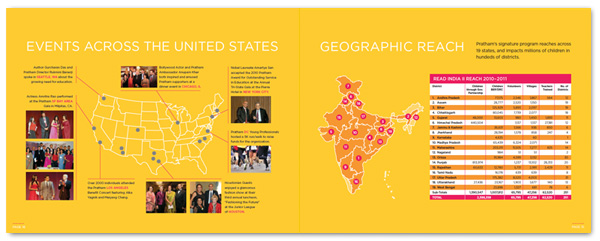
  3. The Impact: How effective is the organization in addressing the problem? To demonstrate Pratham’s success, we presented a chart showing the results of Pratham’s signature program, Read India II, in 21 states across India.
  4. The Appeal: How can donors support Pratham? We describe the different ways that people can support and get involved with the organization.

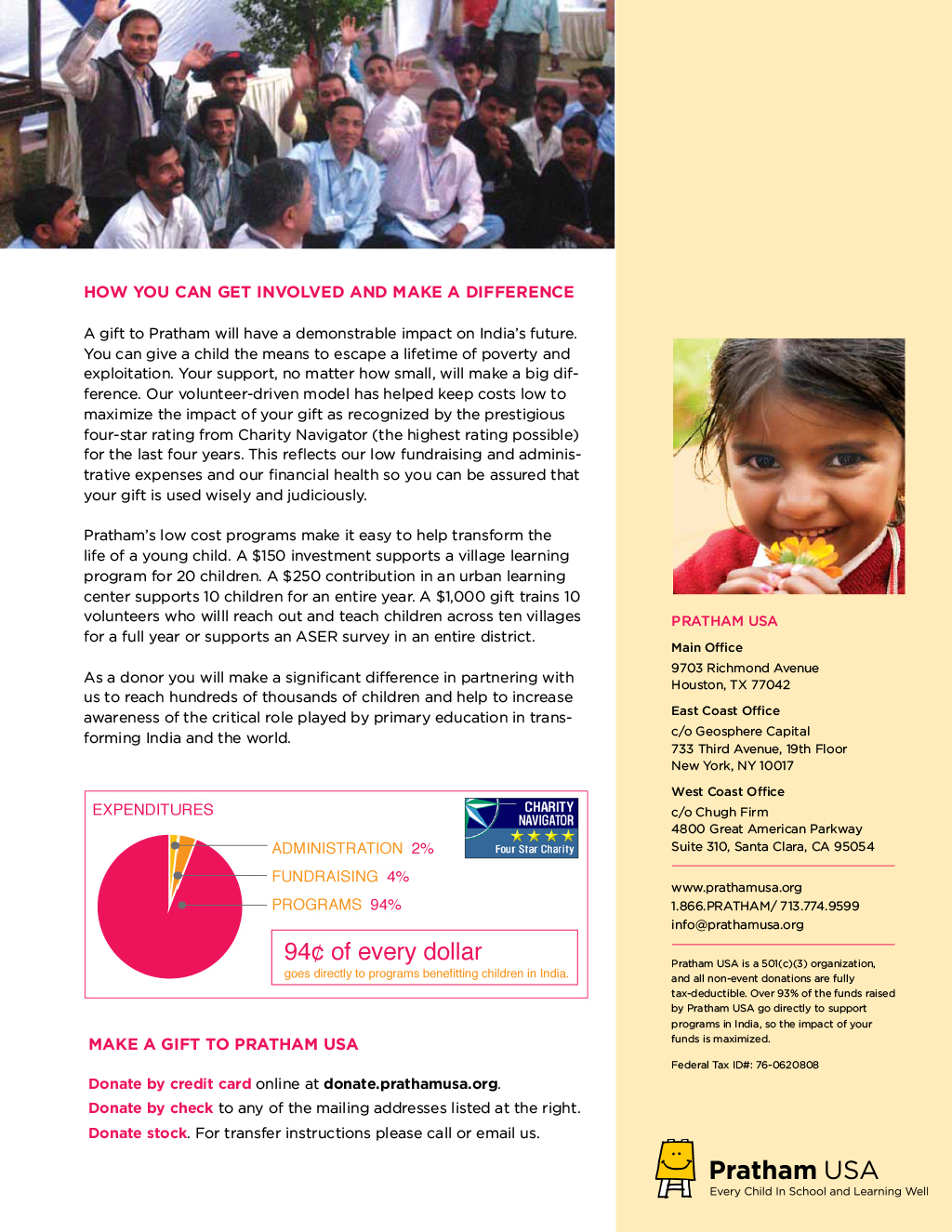
We designed the document to be easy to read and support Pratham’s brand, with photos that help to help people understand what Pratham does — overall a clear and compelling case for supporting Pratham.

Pratham Case for Support 1
Pratham Case for Support 2
Pratham Case for Support 3
Pratham Case for Support 4

Brochure

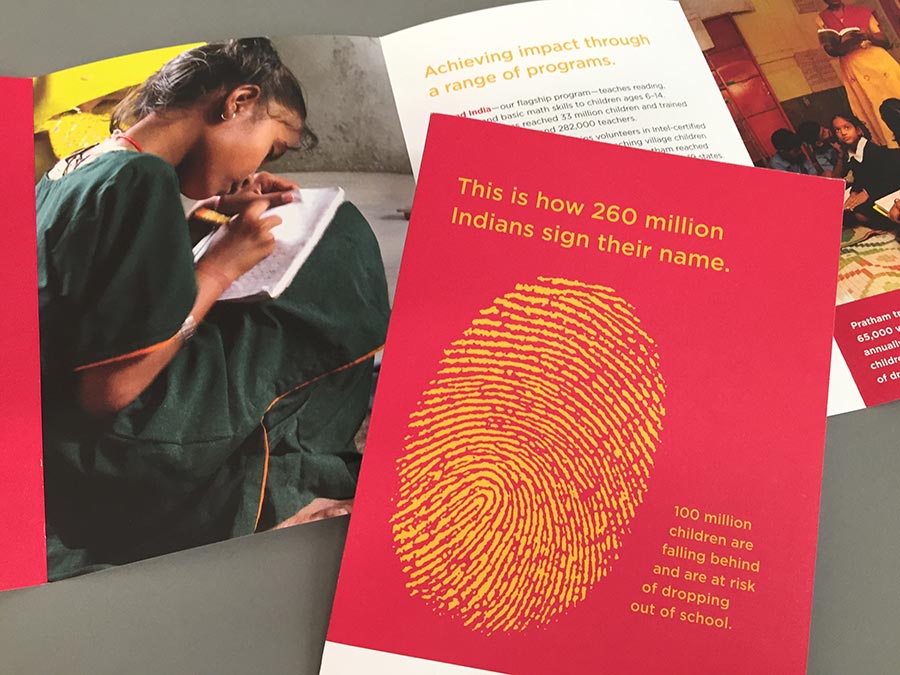
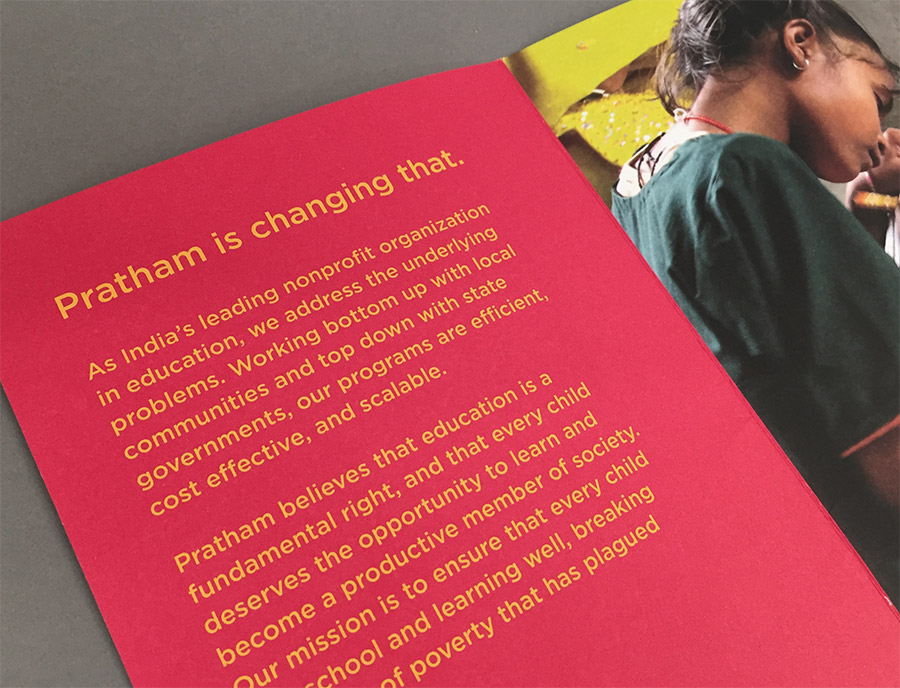
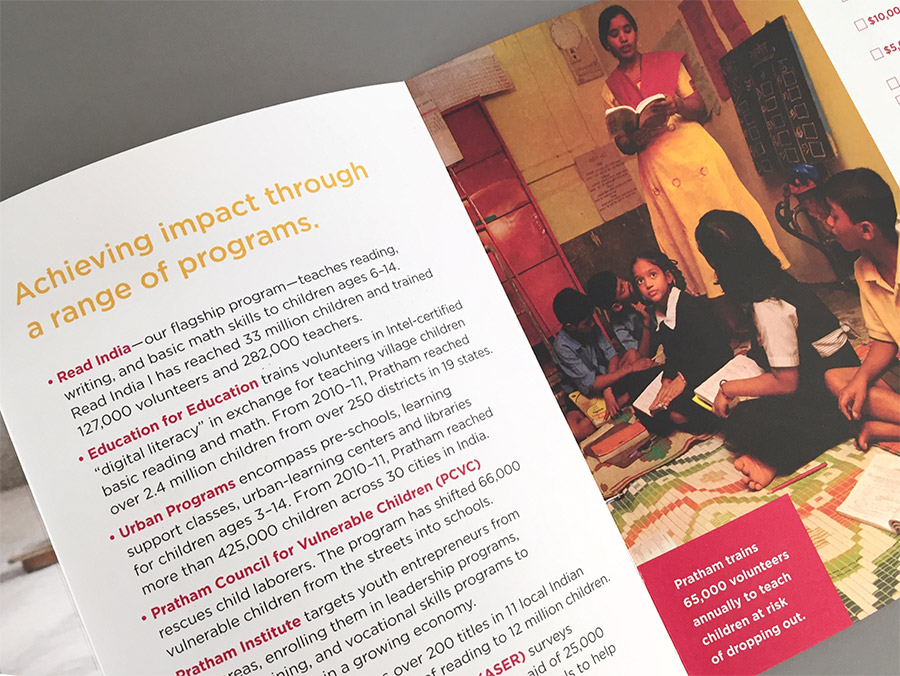
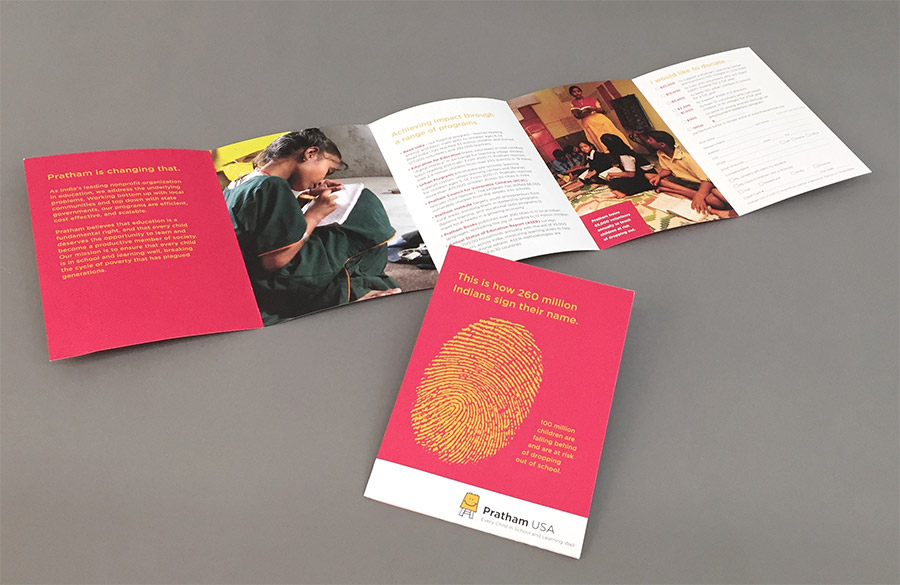
We created a brochure that could be handed out widely at galas and other events for fundraising purposes. The brochure makes a bold statement about the the vast scope of illiteracy in India, and describes how Pratham is addressing it.

Pratham Brochure
Pratham Brochure
Pratham Brochure
Pratham Brochure

Annual Report

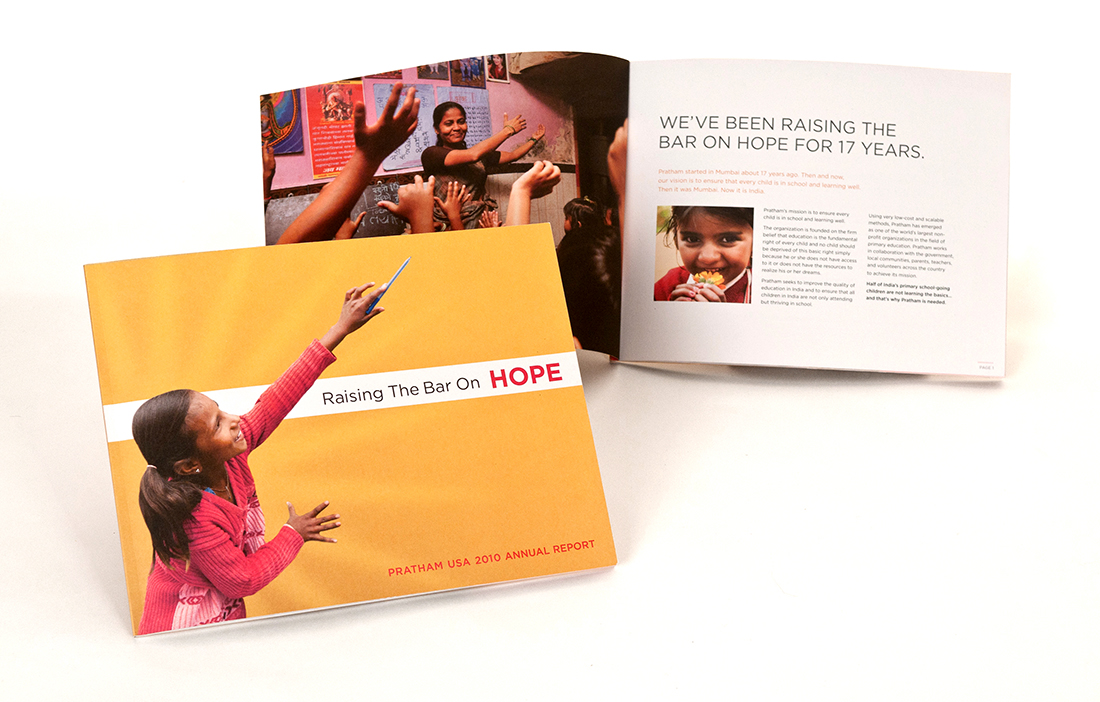
We redesigned the organization’s annual report as part of an overall brand refresh for the organization. The theme of Raising the Bar on Hope was aimed at reinvigorating interest in the organization’s donor base which was experiencing some fatigue with Pratham’s message.

Pratham Annual Report
Pratham_AR_Spread_4BW

Marketing Templates

We created a consistent brand look for all materials so that donors can recognize them as Pratham’s. This reinforced the brand in people’s minds and made it easier for staff to create collateral materials, such as:

  • Email Newsletters
  • Email Blasts
  • Print Newsletters
  • Gala Invitations

Clarifying Roles & Responsibilities

Plans are only as good as their implementation. We helped Pratham USA put the structure in place that would facilitate implementation.

  • Identify the required roles and clear assignment of marketing tasks.
  • Determine what can be handled in-house and what needs to be outsourced.
  • Establish accountability for delivery.
  • Develop procedures for creating, reviewing, and approving fundraising materials.

Board Development

Pratham had not fully utilized the board as brand and fundraising ambassadors. We suggested ways in which board members could improve their fundraising effectiveness by giving them succinct messaging and collateral materials to guide them as they talked with potential donors. During our time, Pratham USA attracted Fareed Kazaria to its board.

Peer-to-Peer Fundraising

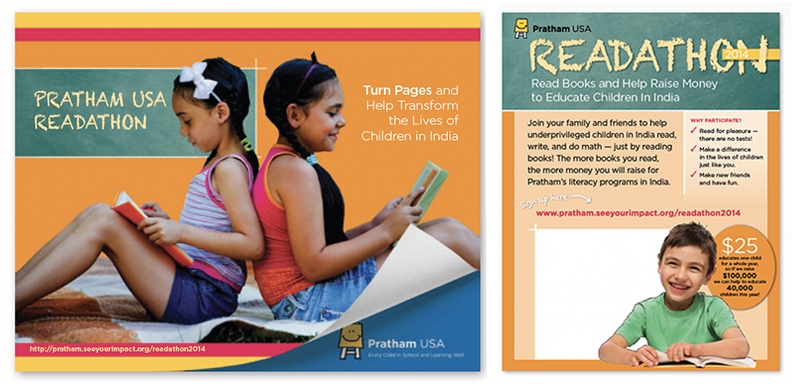
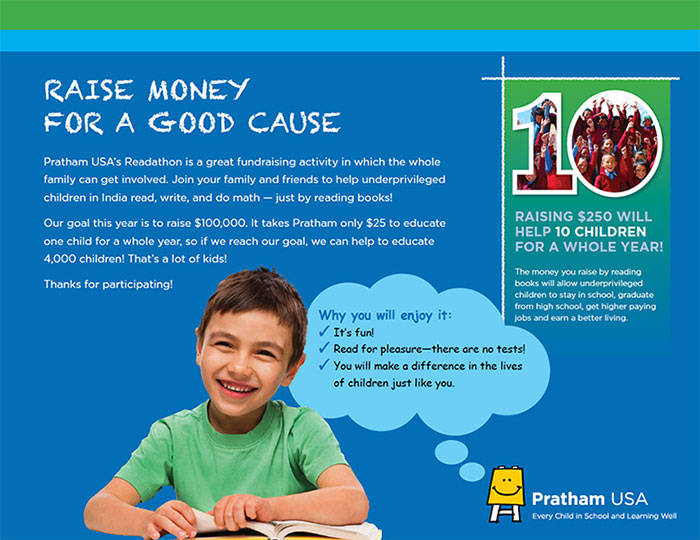
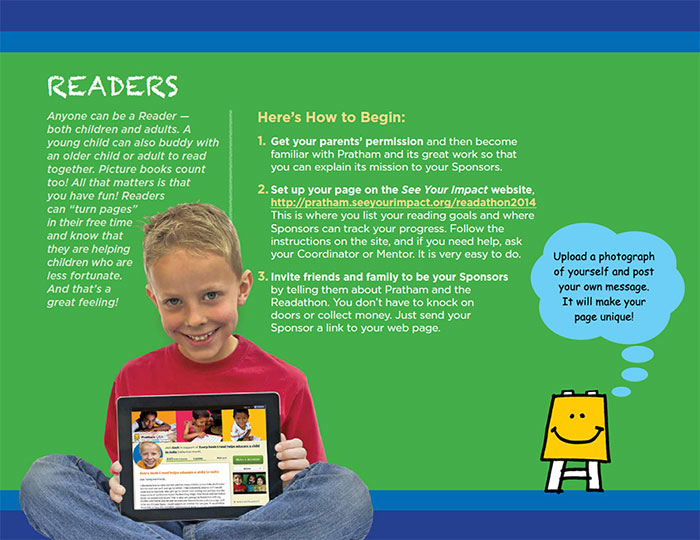
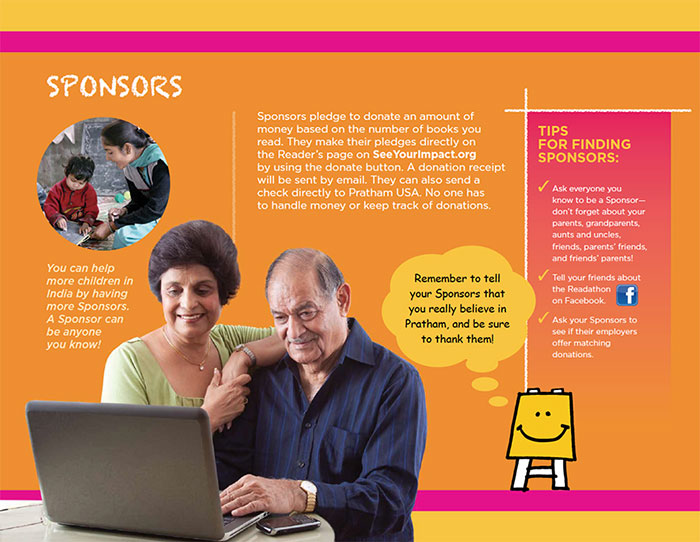
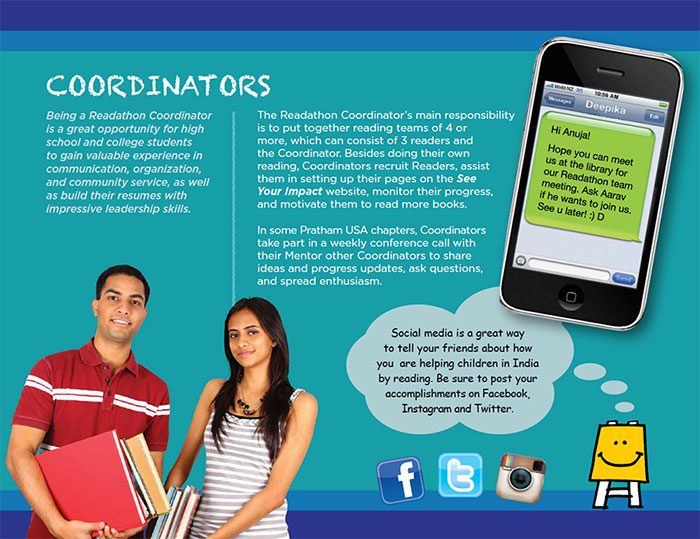
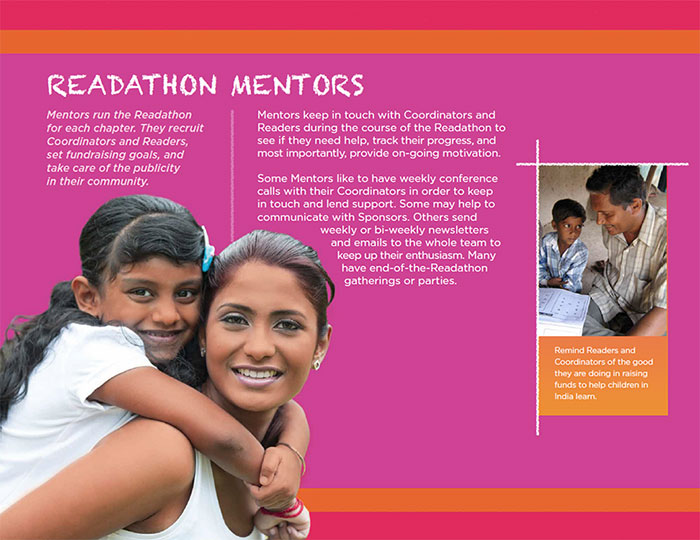
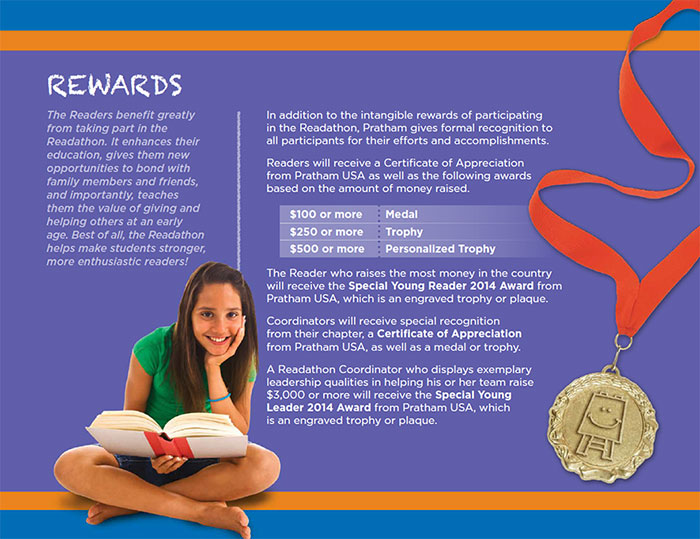
We promoted their readathon by creating materials for recruiting local hosts, as well as promoting the readathon locally in the community through digital and print materials. We increased the average donation from $76 to $102 over the prior year’s event.

RESULTS

36% Increase

Over Prior Year

Pratham Readathon

Readathon
Readathon
Readathon
Readathon_5W
Readathon
Readathon

National Nonprofit Refreshes Its Focus, Name, Visual Identity, and Outreach

Tourette Association of America

National Nonprofit Refreshes Its Focus, Name, Visual Identity & Website

Like many disease and disorder organizations, the Tourette Syndrome Association (TSA) wanted to increase public awareness in order to foster a greater acceptance of this condition. Red Rooster Group was called in to refresh the organization’s brand by refining its focus, evolving its name, updating its visual identity, and developing a new website.

Services

  • Brand Analysis
  • Website Assessment
  • Competitive Review
  • Stakeholder Interviews & Surveys
  • Focus Groups & Brand Workshops
  • Audience Needs Mapping
  • Brand Positioning & Messaging
  • Renaming
  • Visual Identity System
  • Brand Style Guide
  • Website User Experience
  • Website Copywriting
  • Website Design
  • Website Development & Integrations

Assessing the Needs

Founded in 1972, the Tourette Syndrome Association (TSA) is the only national nonprofit organization that helps individuals and their families deal with the many issues associated with Tourette Syndrome and tic disorders. With more than 30 chapters nationwide, its main mission is to increase awareness and knowledge about Tourette Syndrome while advocating for public policy issues, and investing in medical research to better understand this little-known but widespread condition.

Refreshed Brand

TSA wanted to refresh its brand with a new logo and tagline in order to bring uniformity and consistency to the organization’s image and messaging, and do it in a way that thoughtfully transitions the organization from its historical look and feel toward a more hopeful, energetic, and professional identity.

Updated Website

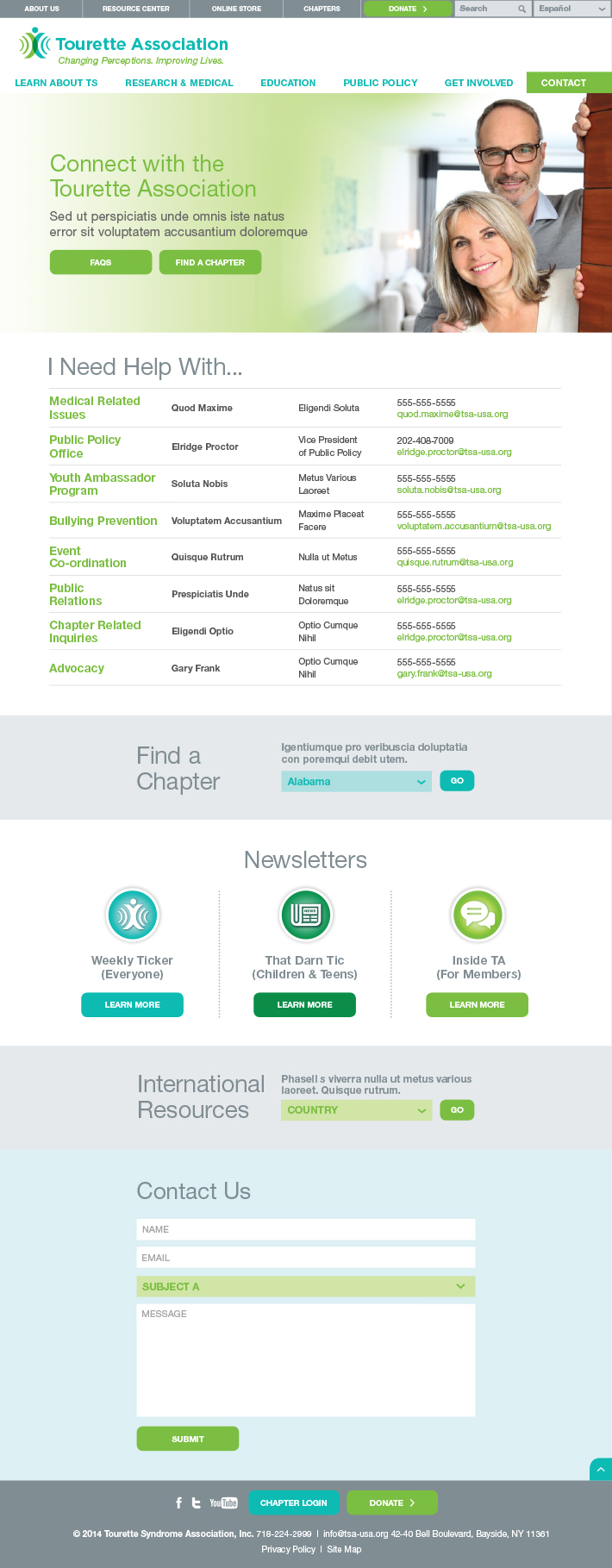
Part of the project was also to simplify and reorganize the current website to help showcase the array of services that TSA offers, help users more easily find the information they need, and engage people in taking action and joining the community.

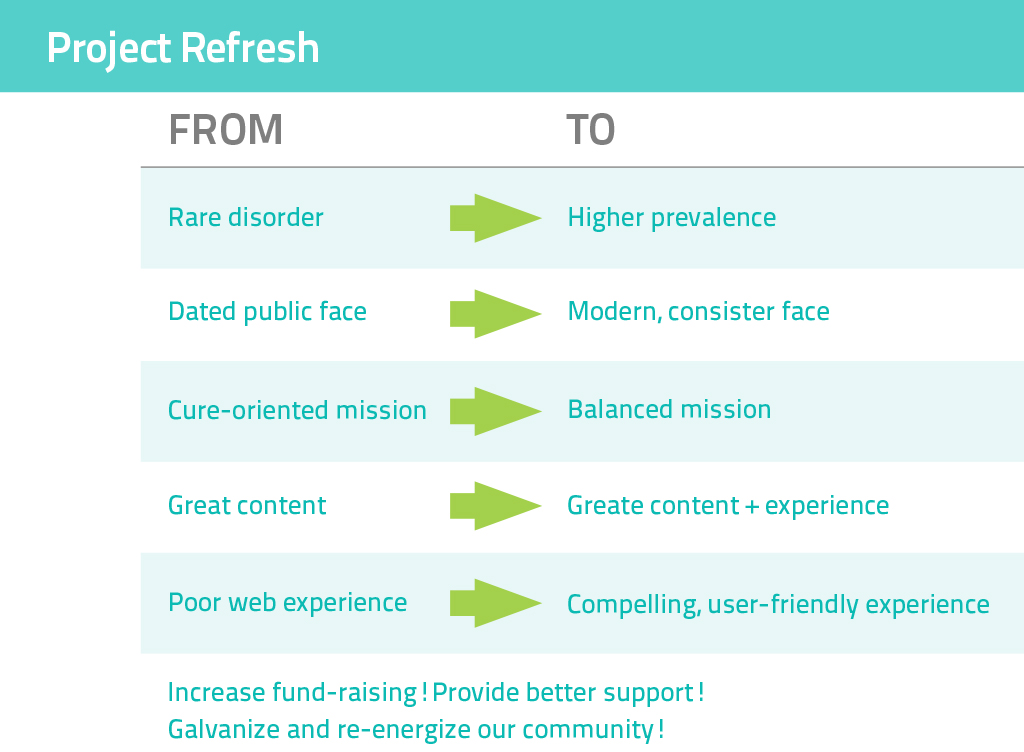
TA Project Refresh
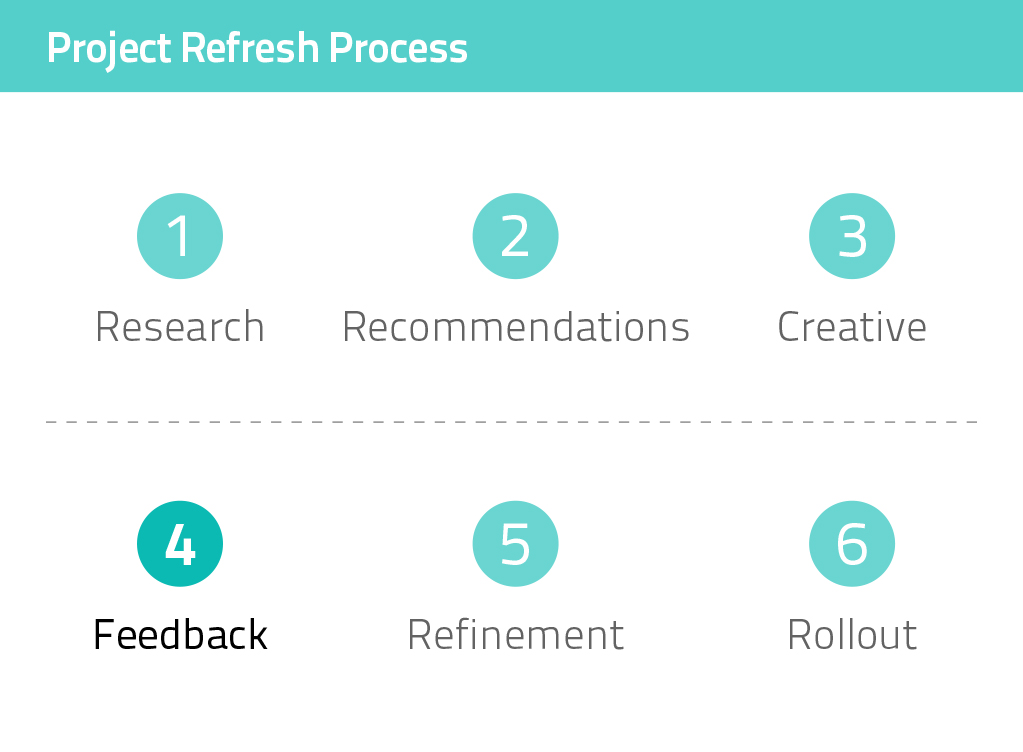
TA Project Refresh Process

Discovery

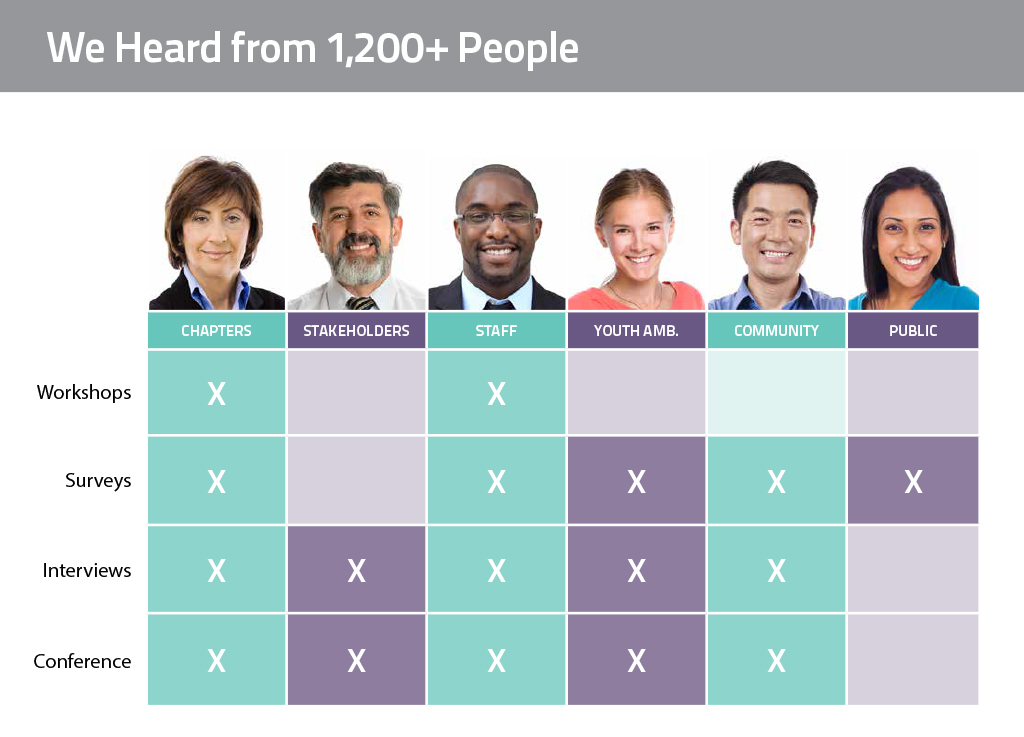
To begin the project, we conducted research to provide us with key information  for developing TSA’s brand. This included:

  • Reviewing TSA’s internal and external documents and materials to learn more about the organization and the issues it addresses.
  • Facilitating workshops with TSA staff and chapter heads to understand chapter needs and perspectives.
  • Hosting a feedback table at TSA’s annual conference for in-person engagement.
  • Conducting individual interviews with a range of constituents.
  • Holding one-on-one discussions with TSA staff about each department’s needs.
  • Conducting surveys with the TSA community, general public, and other groups.

Key Takeaways

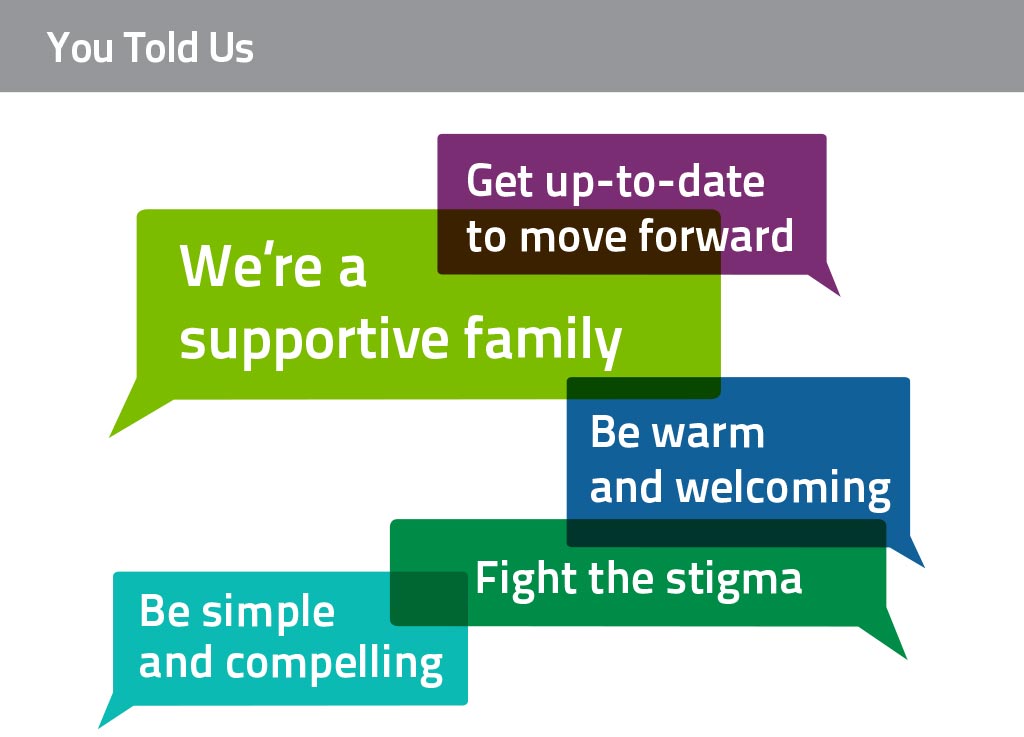
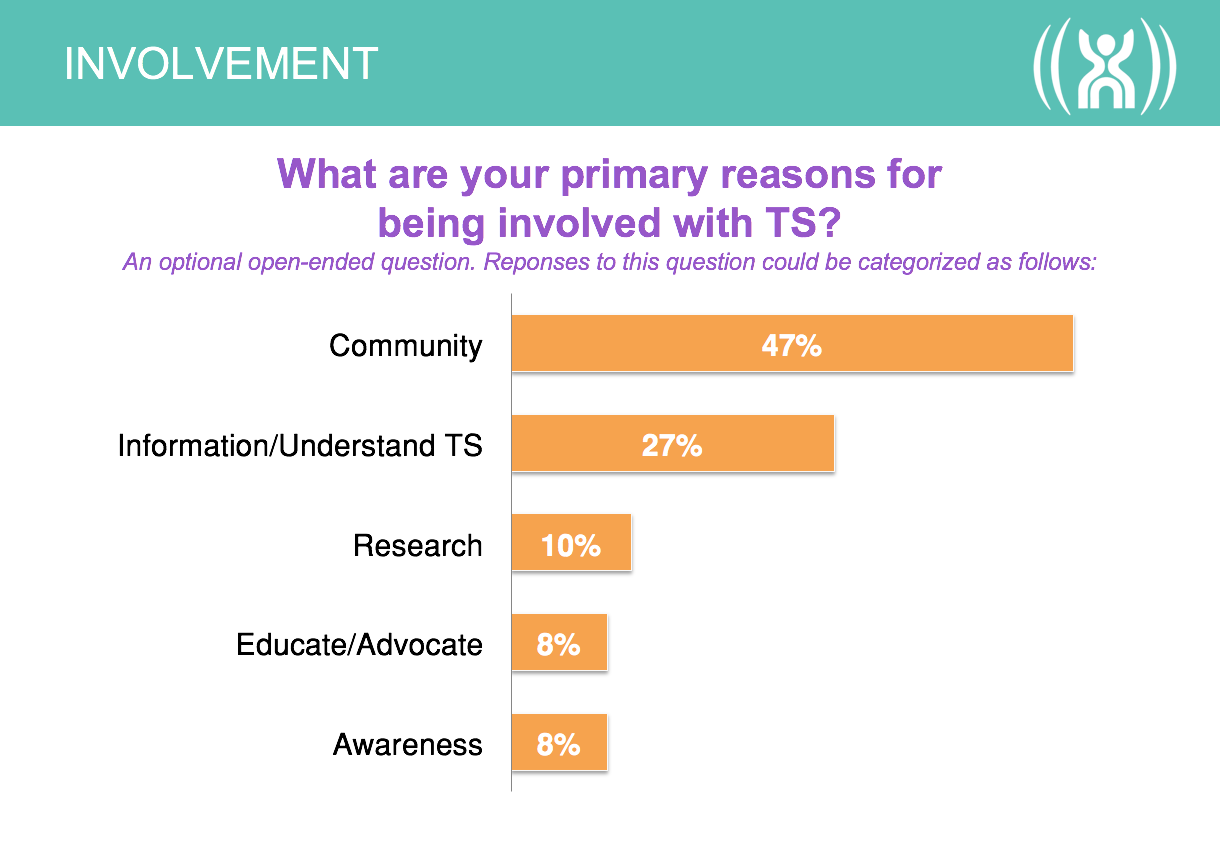
TA Survey
TA-Survey-Comments
Survey Chart 1
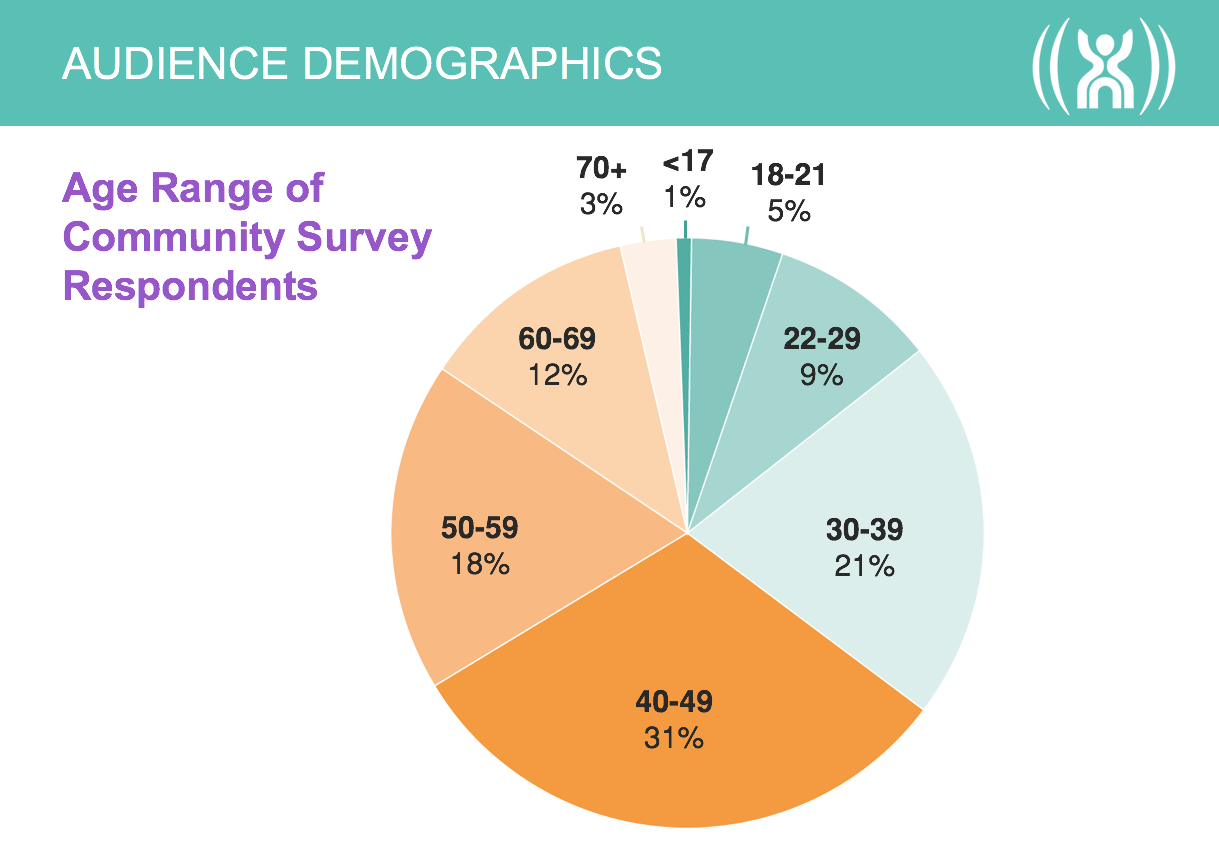
Demographics
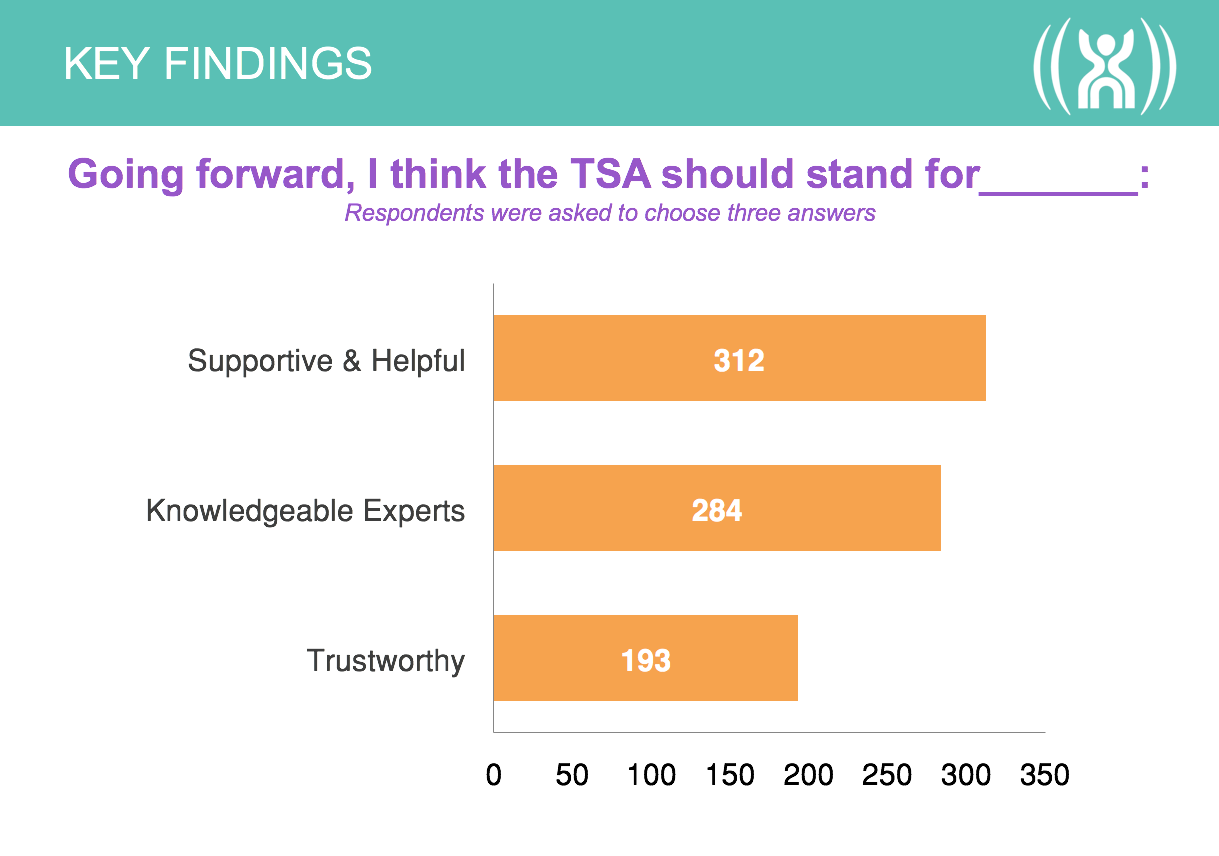
Survey Chart 3
Name Considerations Chart

Defining the Message

Mission

Red Rooster Group worked with TSA to develop internal and external messages for the organization. A core part of the branding initiative was to update the organization’s Mission Statement to reflect its current focus. This included a shift in the outcomes of the medical research, being more positive and inclusive, and increasing the focus on awareness of Tourette Syndrome. We worked with organizational leadership to refine the language and get feedback from various constituents.

Mission Before

To identify the cause of, to control the effects of, and find a cure for Tourette Syndrome through education, research, and service.

Mission After

The Tourette Association is dedicated to making life better for all people affected by Tourette and Tic Disorders.

Refining the Name

Organizational Name

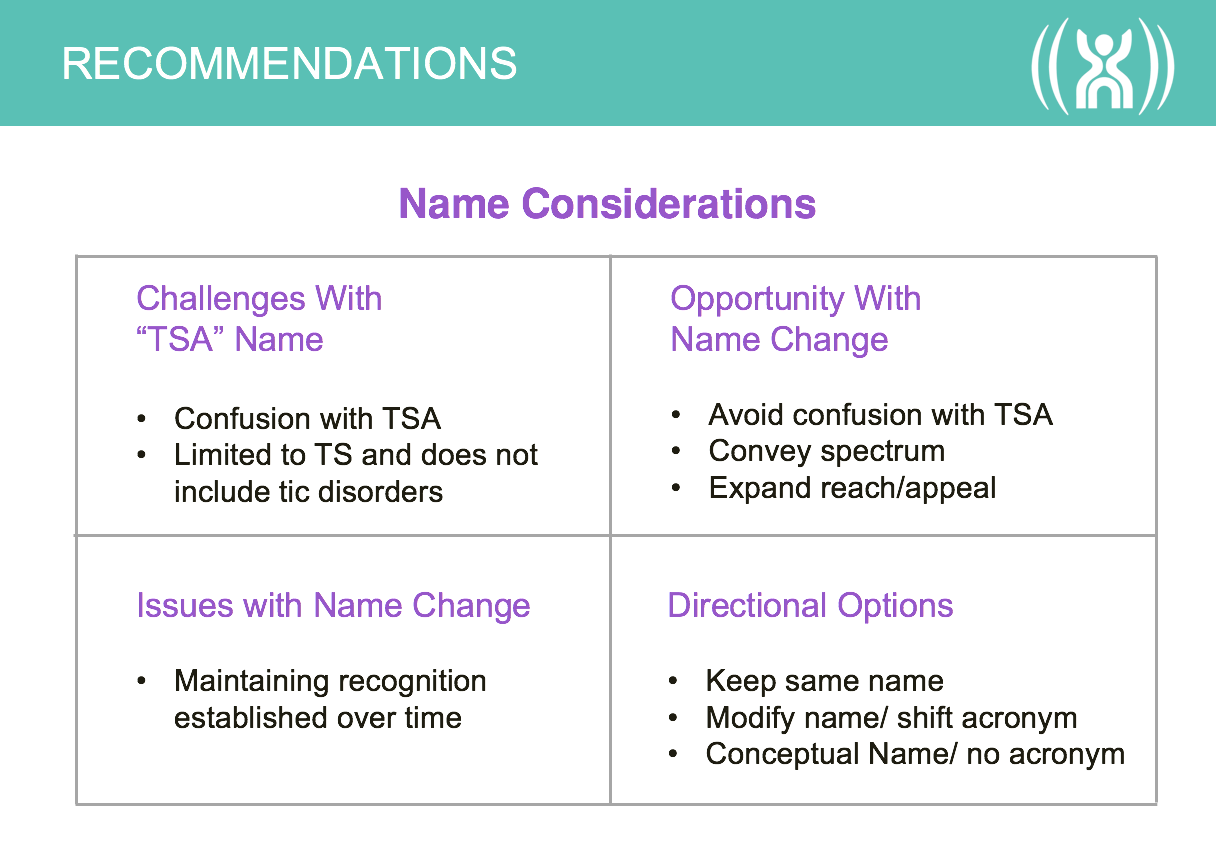
The branding process was the perfect opportunity to examine whether the organization’s name — Tourette Syndrome Association — should be changed in any way because the name was long, it was often shortened to TSA, and consequently confused with the Transportation Security Administration. The organization was exploring ways to improve the current name, rather than develop an entirely new name.

The main name considerations included:

  • Whether the word ”Syndrome” should be dropped from the name. The word had medical significance, people with Tourette Syndrome identified themselves that way and, yet, to the general public and newly diagnosed, that word can make the disorder seem more scary. Since Tourette Syndrome is referred to as TS, how would dropping ”Syndrome” work using ”TS?”
  • Whether there would be any designation of a national presence in the name. The organization is both national and international in scope and wants to be recognized as distinct from the chapters. Yet, adding another word would lengthen the name and increase the likelihood of abbreviation.
  • If the name is shortened to Tourette Association, whether or not to use an apostrophe on Tourette’s. Formally, an apostrophe is used, but how would that complicate the name and URL?

Iterations of the name were presented and discussed with leadership. We then tested the reaction of the Tourette community to the naming options in focus groups, eliciting feedback that helped shape the decision to use Tourette Association.

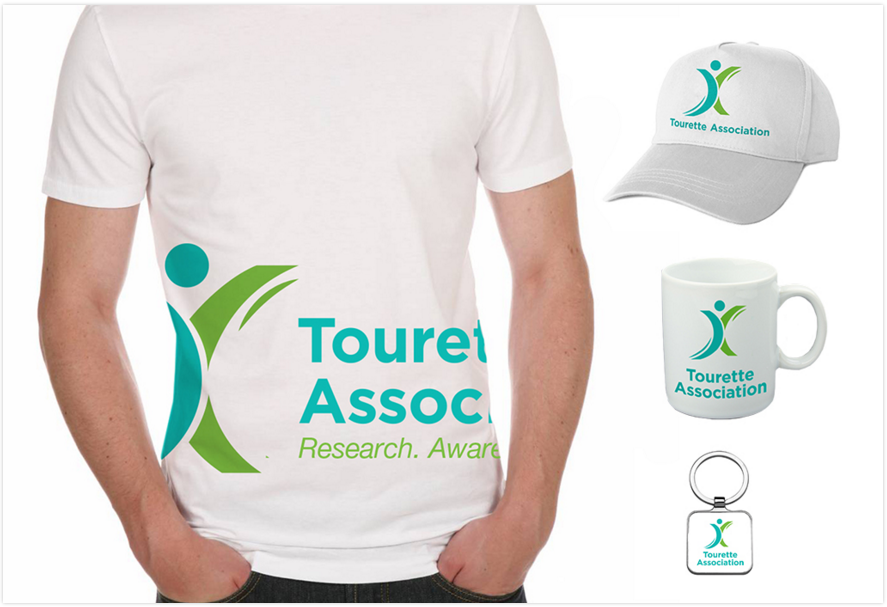
Before

TSA_Logo_Stacked_Black

After

TAA-Name-2

Revitalizing the Visual Identity

Recognizing Brand Equity

A major component of this branding initiative was to update TSA’s logo, which had been in use for decades. While people had an affinity for the symbol due to familiarity, feedback from surveys told us that while people liked the sense of movement, they thought the logo looked dated and that the figure looked isolated and trapped.

TA Old Logo
Original Logo

Exploring Concepts

Our goals with the redesign were to update the symbol to be more dynamic, with a sense of energy and a suggestion of the positive aspect of living with TS successfully, rather than feeling inhibited by it. We explored a wide range of graphic expressions that could showcase the organization, while being sensitive to not misrepresenting Tourette Syndrome. These concepts included abstract symbols, representation of motion, community, figurative icons, and other concepts.

Visual Identity Exploration

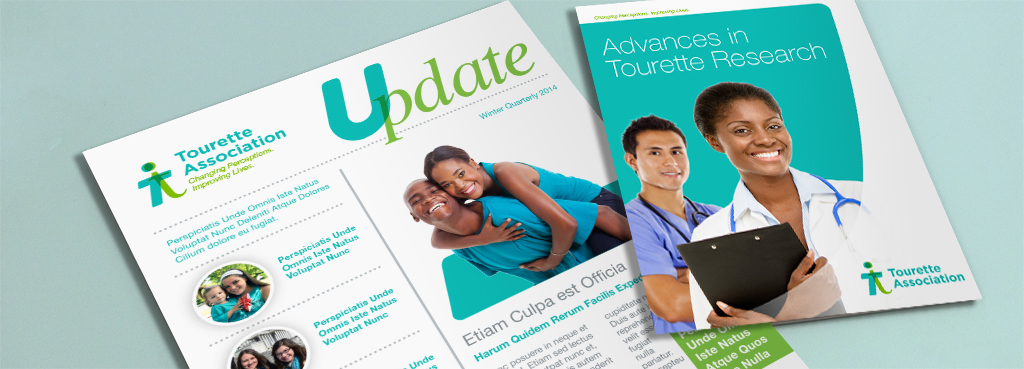
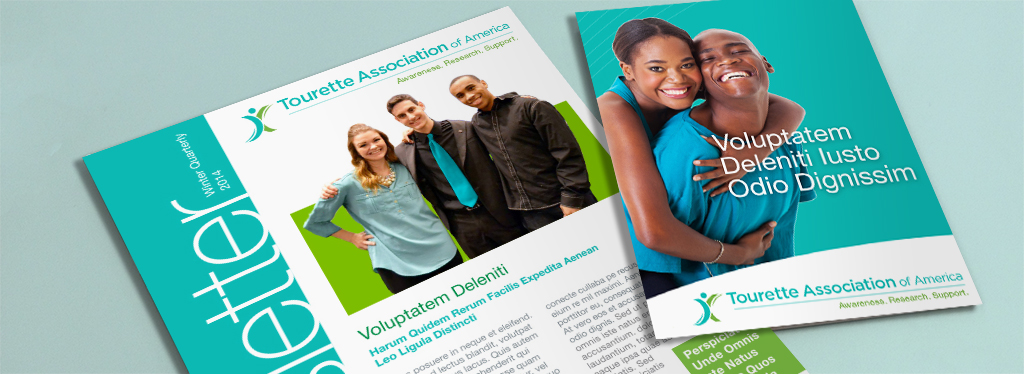
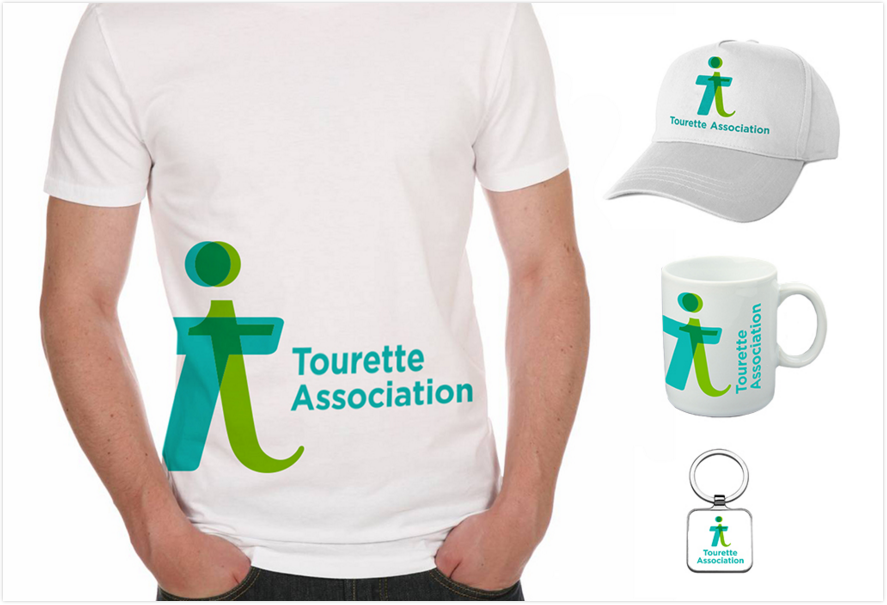
After rounds of refinement, two logos emerged as final contenders. To provide a sense of how the logos would work in real-world applications, we applied them directly to both new and existing media.

TA Logo Concept 1

TA Logo 1 Mockup 1 Large

TAA_Logo_Stacked_Tag

TA Logo 2 Mockup 2

Logo Testing in Focus Groups

The two final logos, as well as the shortened organizational name and the tagline, were tested in focus groups with TSA’s community in various cities. The feedback helped us gauge how people with Tourette Syndrome would feel about changes to the organizational brand as well as giving us specific feedback on each brand element. As a result of this feedback, we further refined one of the logos.

Logo Testing in Internal and External Surveys

To understand how people who were not familiar with Tourette Syndrome would perceive the logo and tagline, we conducted a survey of the general public. The following logos were tested, using the existing logo as a baseline. Option B was the winner.

A

Concept-1

B

Concept-2

C

Concept-3

Presentations for Internal Buy-In

During the course of the engagement, TSA leadership solicited input from various internal stakeholders, such as a leadership advisory team, the board, and a chapter council. Red Rooster Group created presentations showing the evolution of the brand elements so that the President could successfully pave the way for organizational changes by allowing input while addressing resistance to change and concerns about any of the brand elements.

Creating a New Website

Creating a Content Strategy

The site contained a massive amount of information but was very difficult to navigate. We cataloged the content from more than 1,000 pages and reorganized huge amounts of information so various audiences have a clear path to what they need. In addition to pages written for specific audiences, the site contains a searchable Resource Center to access a variety of media resources.

Developing a Modular Content System

The site is designed to be completely responsive for mobile, tablet, and desktop users, and has a robust administration area in the WordPress CMS to make it easy for staff to update. The unique modular block system we developed provides the ability to create interesting pages easily. Red Rooster Group handled the entire website development process including site architecture, copywriting, wireframing, design, development, and final testing.

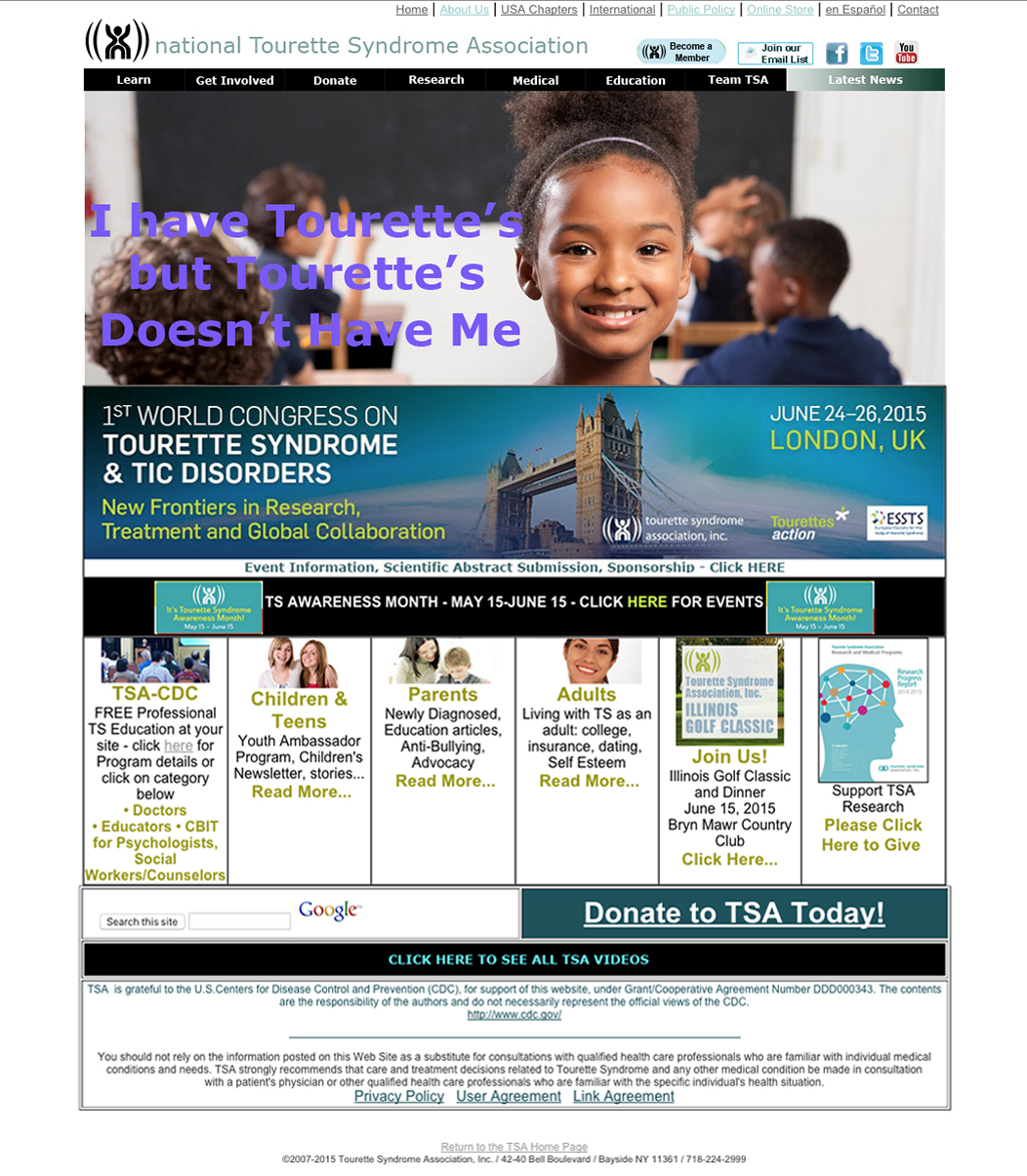
Before

TSA Homepage Before

Rotator provides a quick overview of the organization.

Quick access to relevant content for key audiences.

The Did You Know feature appears on different pages with different facts.

Get Involved and Take Action modules encourage user engagement.

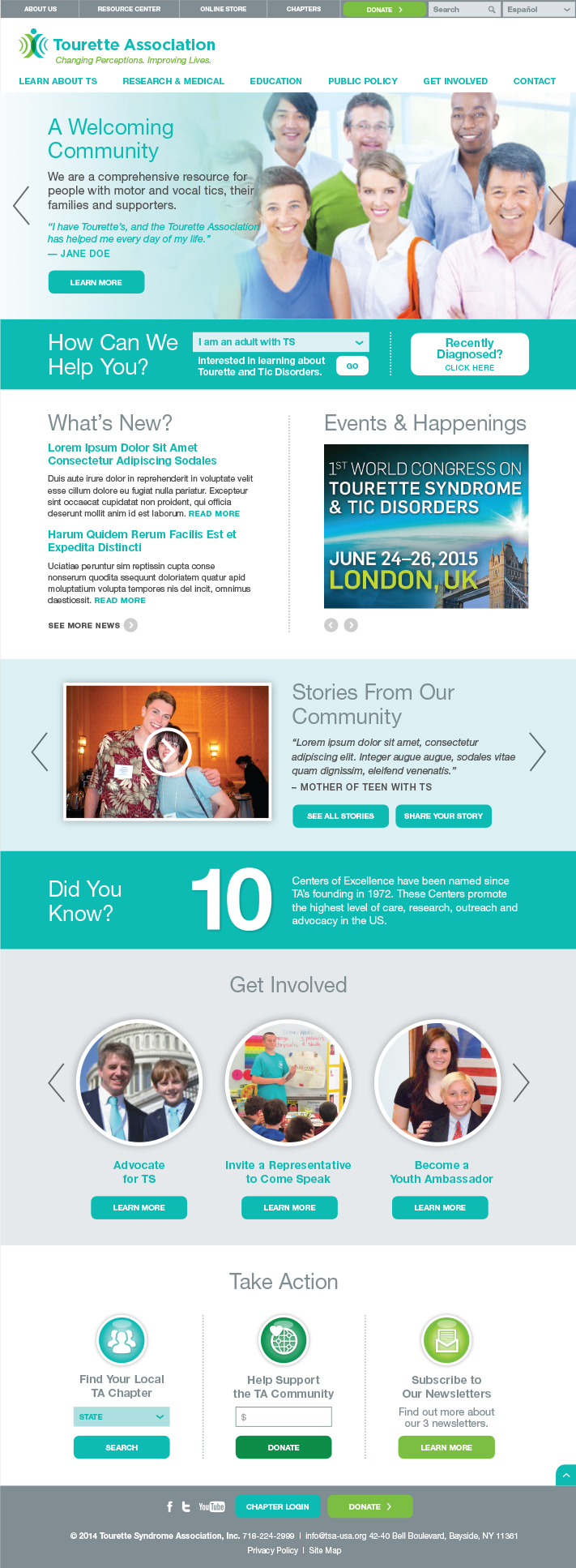
After

TA Website Home
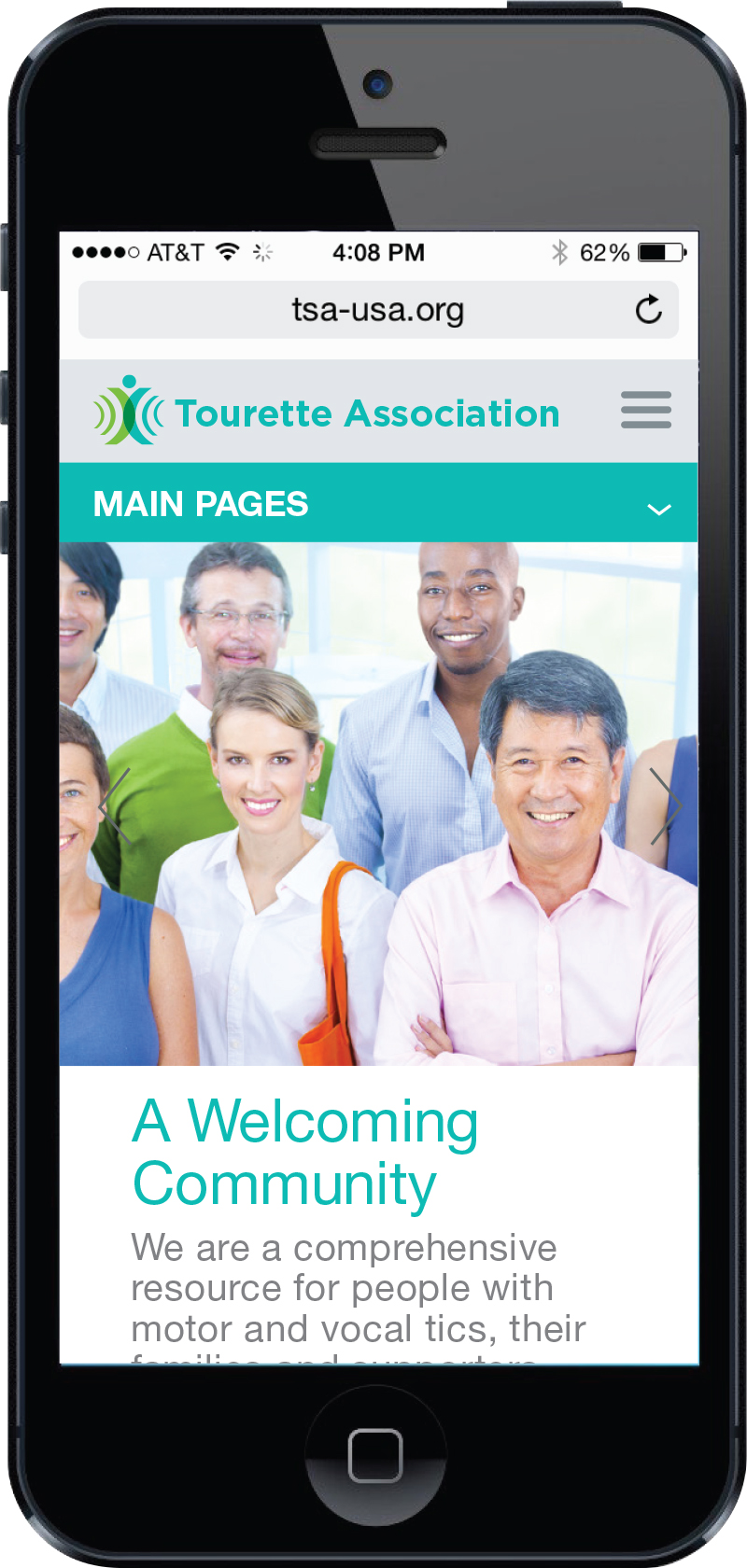
TSA Mobile

The website is fully responsive for viewing on tablets and other mobile devices.

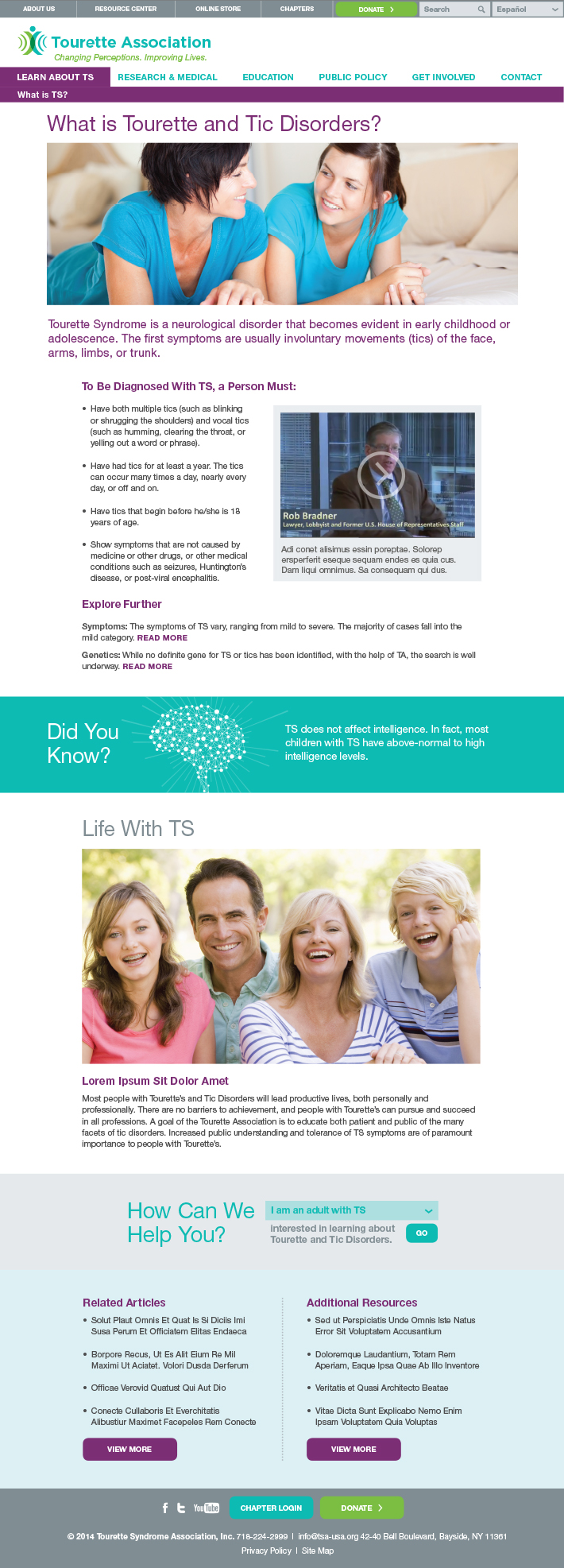
What is TS?

This subpage is used to provide information for those new to Tourette Syndrome.

TA Website What is TS

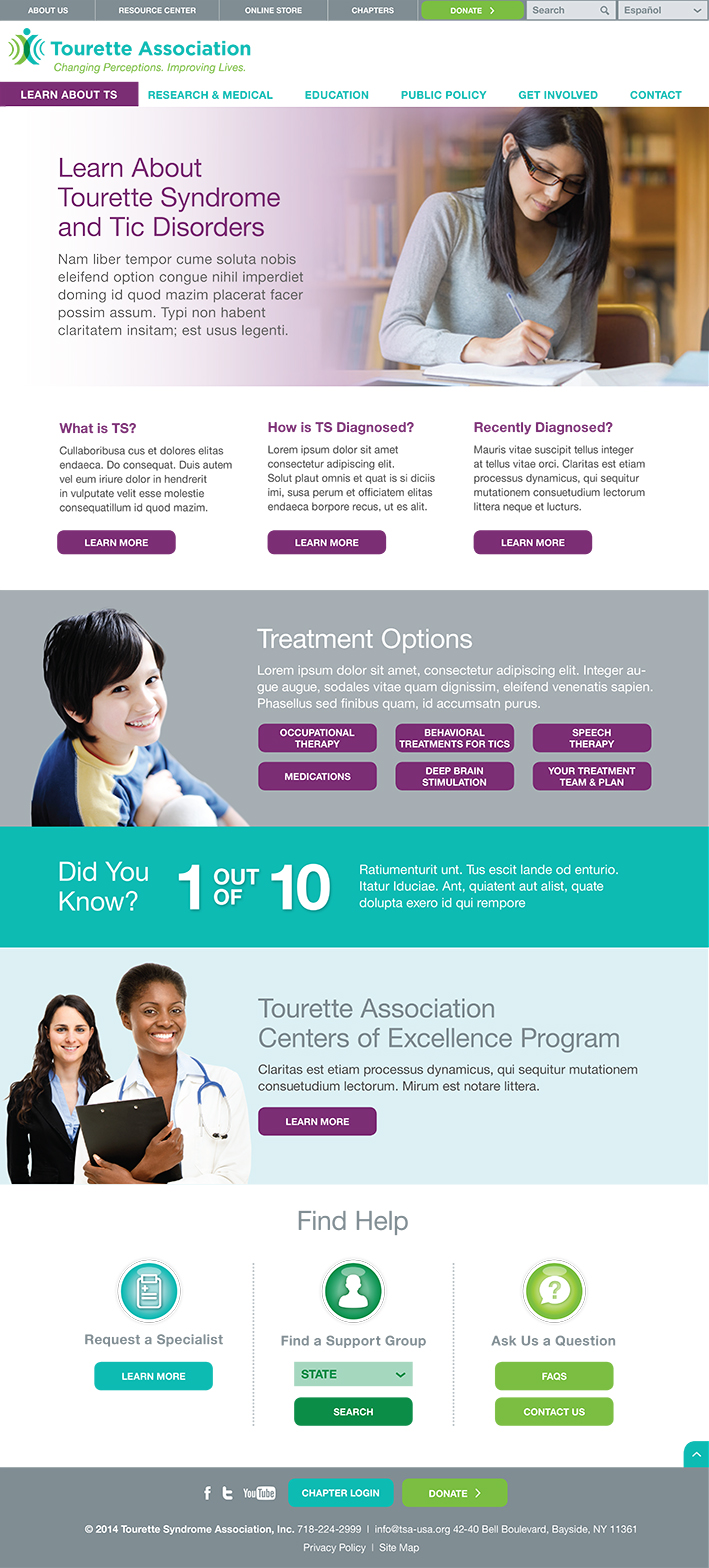
Learn About

Main section pages were designed to engage users and allow easy navigation to audience-specific resources.

TA Website Learn About

Color-coded header modules for each section welcome users and help them acclimate to the section.

Three-column format provides choices for users without overwhelming them.

This module allows an image and multiple buttons.

Certain modules allow set content to appear on different pages throughout the site.

Action modules are present throughout the site to encourage interaction and provide help to site visitors.

Blocks of volunteer opportunities showcase the many ways users can donate
their time.

This page offers quick links to other ways users can support the organization.

Event modules allow users to sign up and get involved with events in their area.

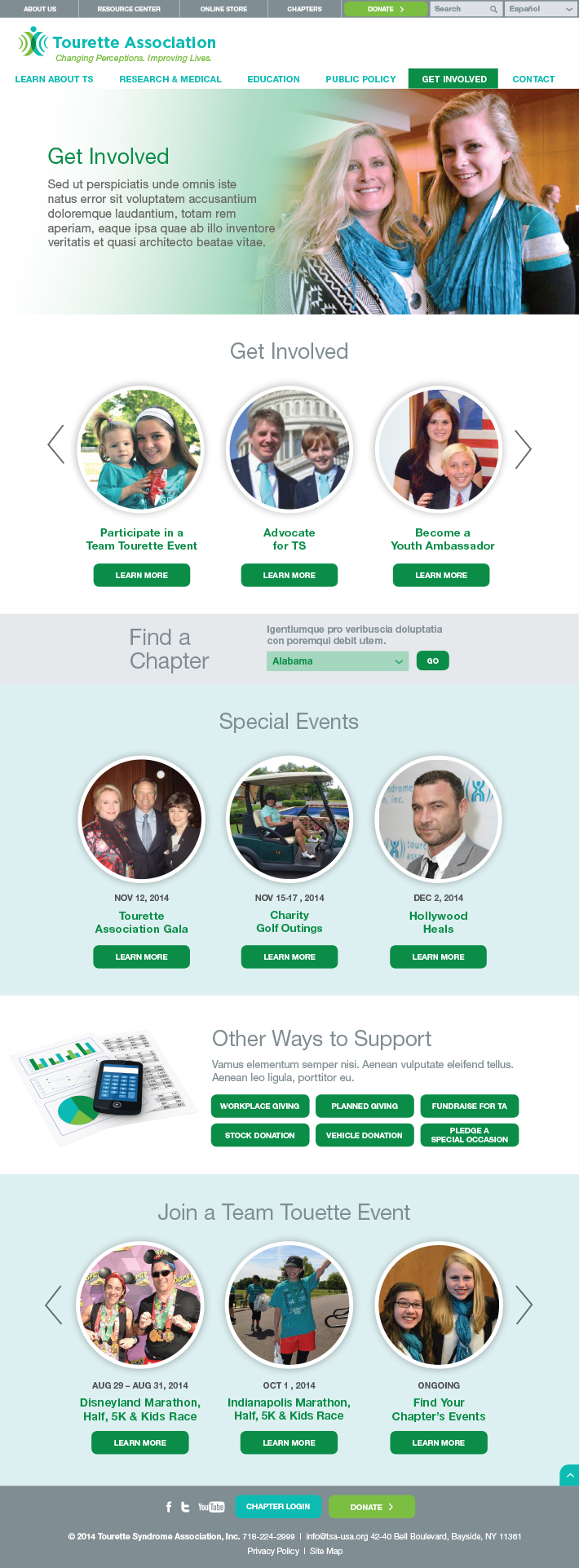
Get Involved

Tourette Association offers a variety of ways in which users can get involved with the organization.

TA Website Get Involved

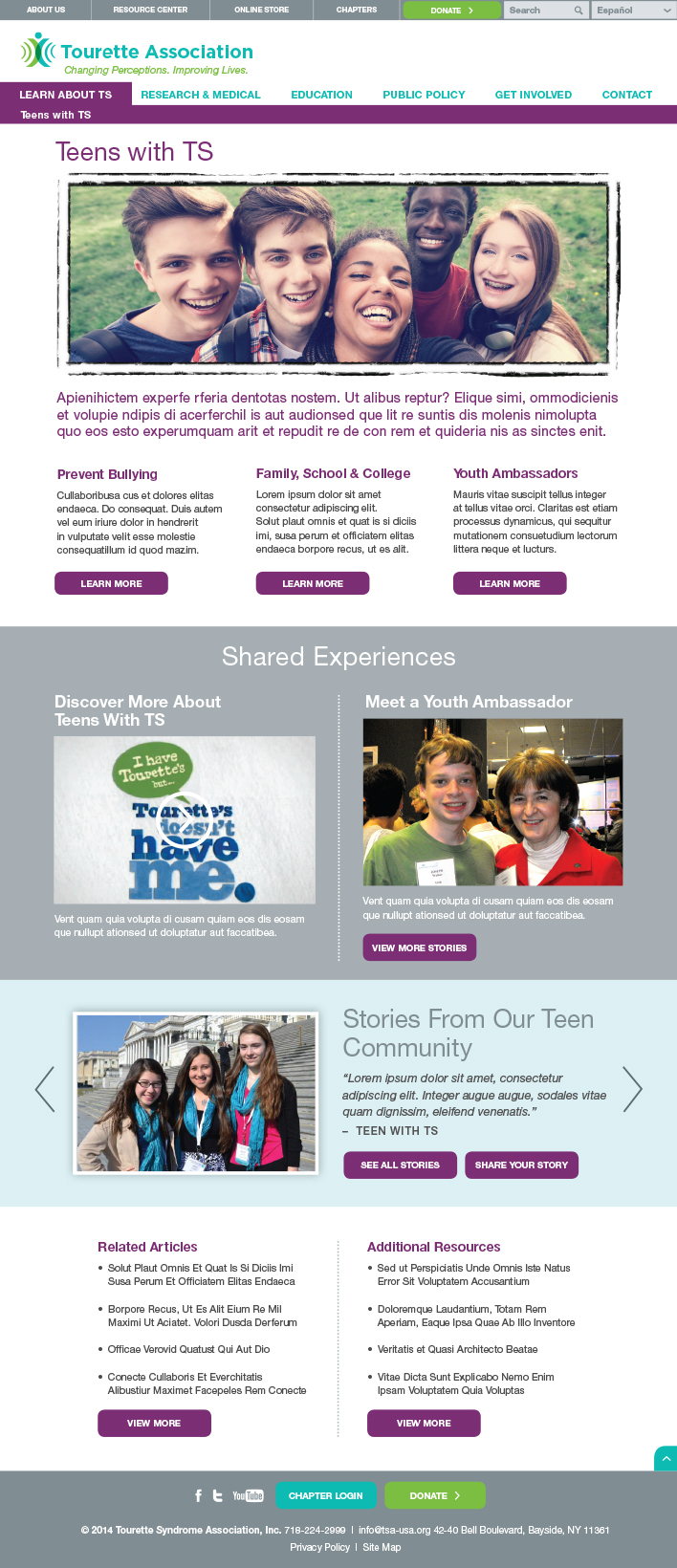
Teens with TS

Teenagers with TS face particular challenges so we created a page with information written specifically for them.

TA Website Teens

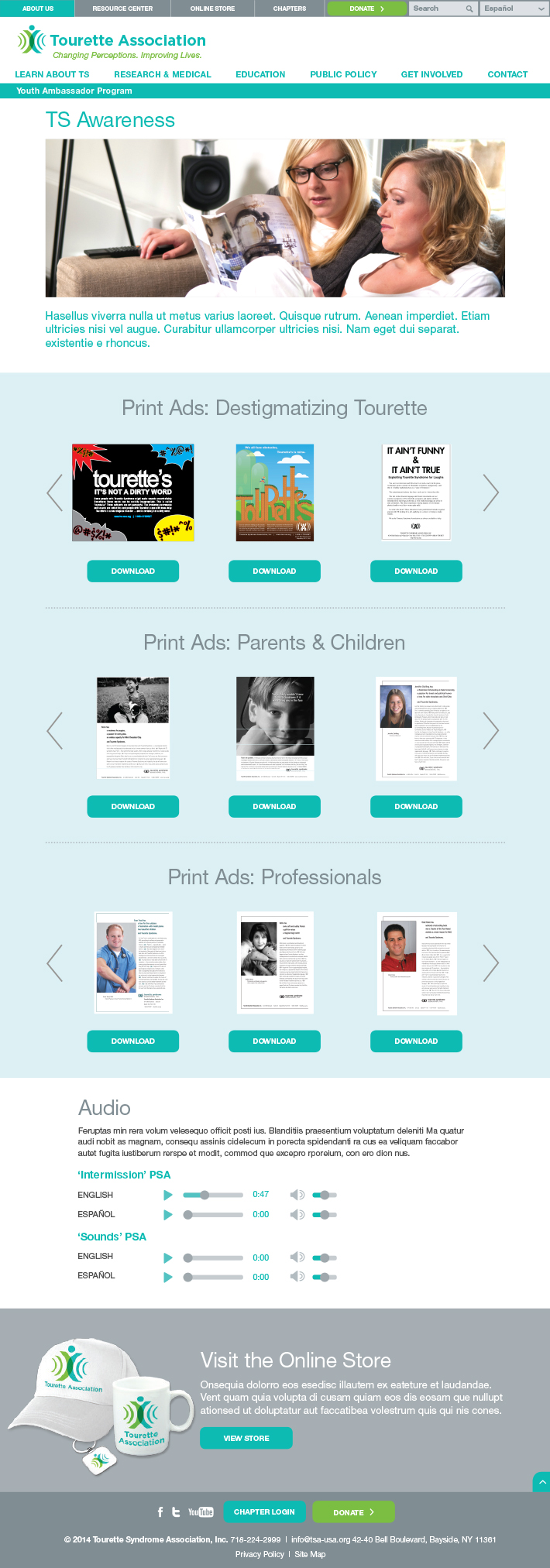
TS Awareness Main Page

Easy access is provided to publications, ads, audio lectures, and other resources.

TA Website Awareness

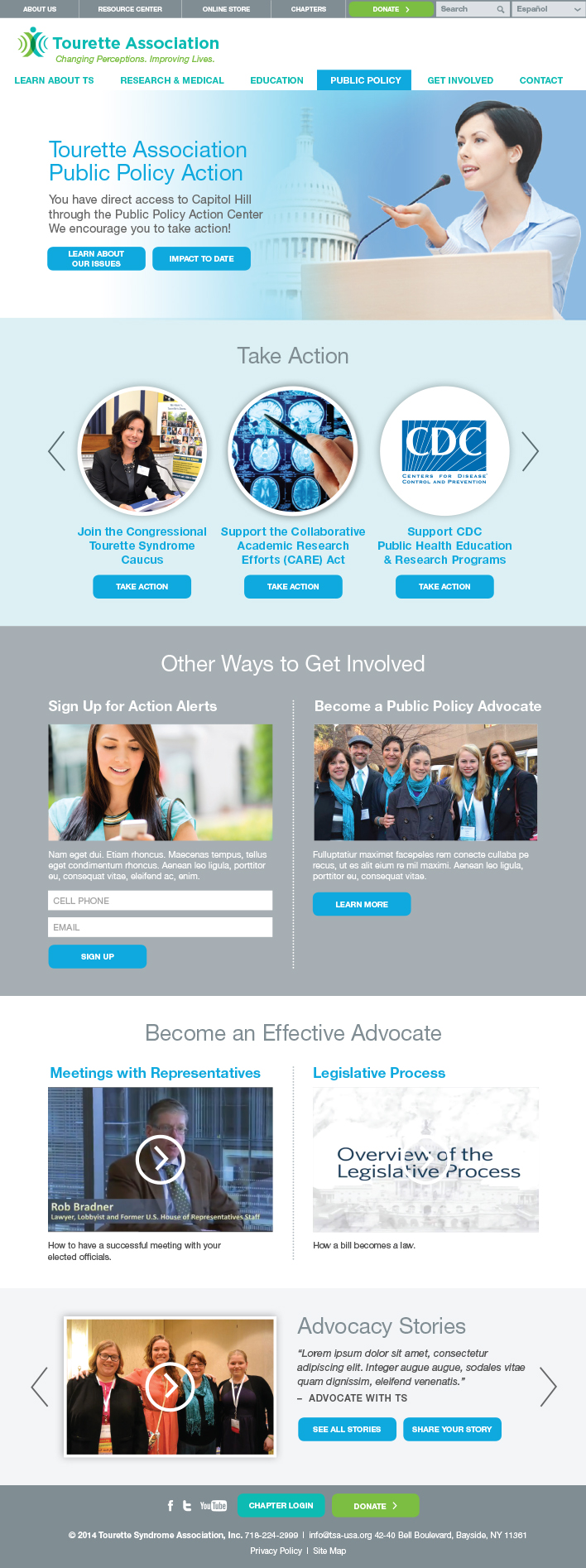
Advocacy Main Page

The site presents quick and easy ways to support and advocate for the Tourette Association’s issues.

TA Website Advocacy

Integration with advocacy software allows users to engage with and take action on current issues.

Action items to engage users are embedded throughout the site.

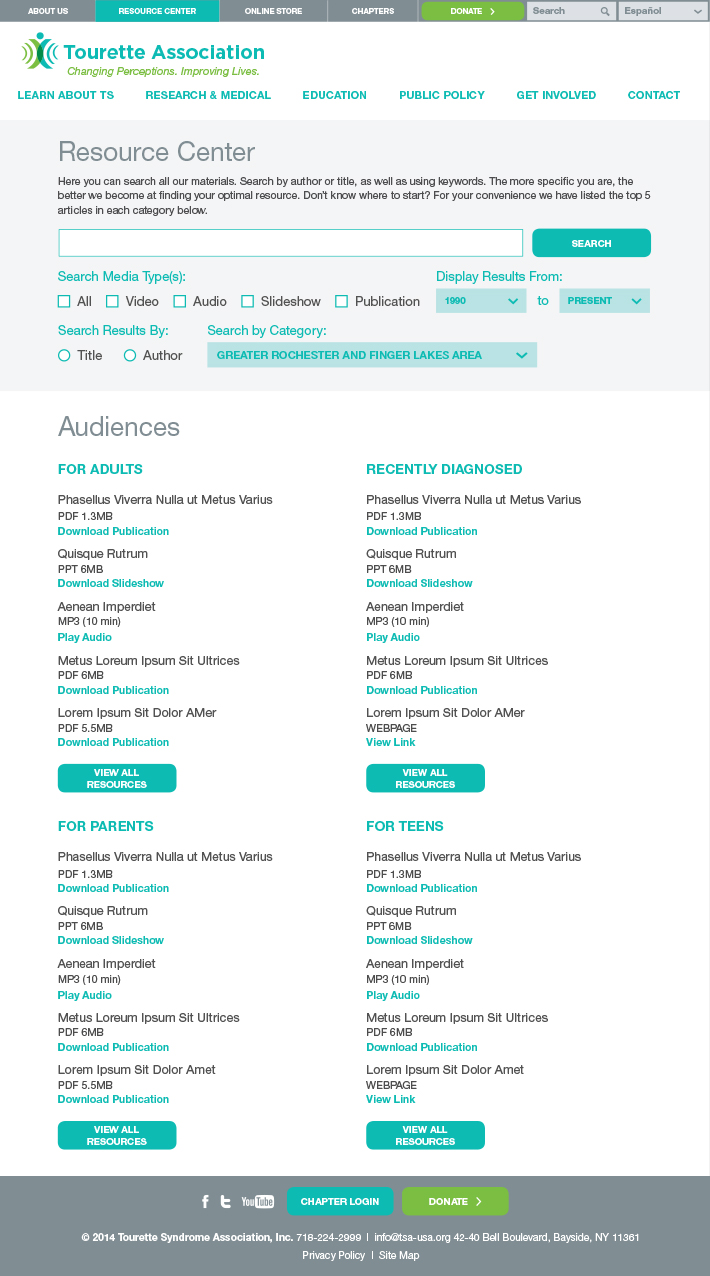
A specialized search functions allows users to filter and sort thousands of resources.

Quick link sections provide easy access to content.

Resource Center

By aggregating years of past publications, articles, videos and slide shows, the Resource Center allows users to quickly and easily search for reference materials that meet their needs and answer their questions.

TA Website Resource Center

Connect with TA Main Page

With contact information, newsletters, and feedback forms built right into the site, the Tourette Association welcomes all who come to it for information, assistance, or even some friendly advice.

TA Website Connect

New Brand Helps Three Camps Merge into One

UJA Federation of New York

Camp Header_Image_R2

Merging Three Camps Into One Leads to Increased Enrollment

Three well-respected day camps were merging into one while introducing a new camping model. They needed to maintain current campers and gain new ones. We helped them do that.

Services

  • Discovery
  • Brand Positioning
  • Messaging
  • Naming
  • Visual Identity
  • Consumer Testing
  • Marketing Collateral
  • Website

Challenge

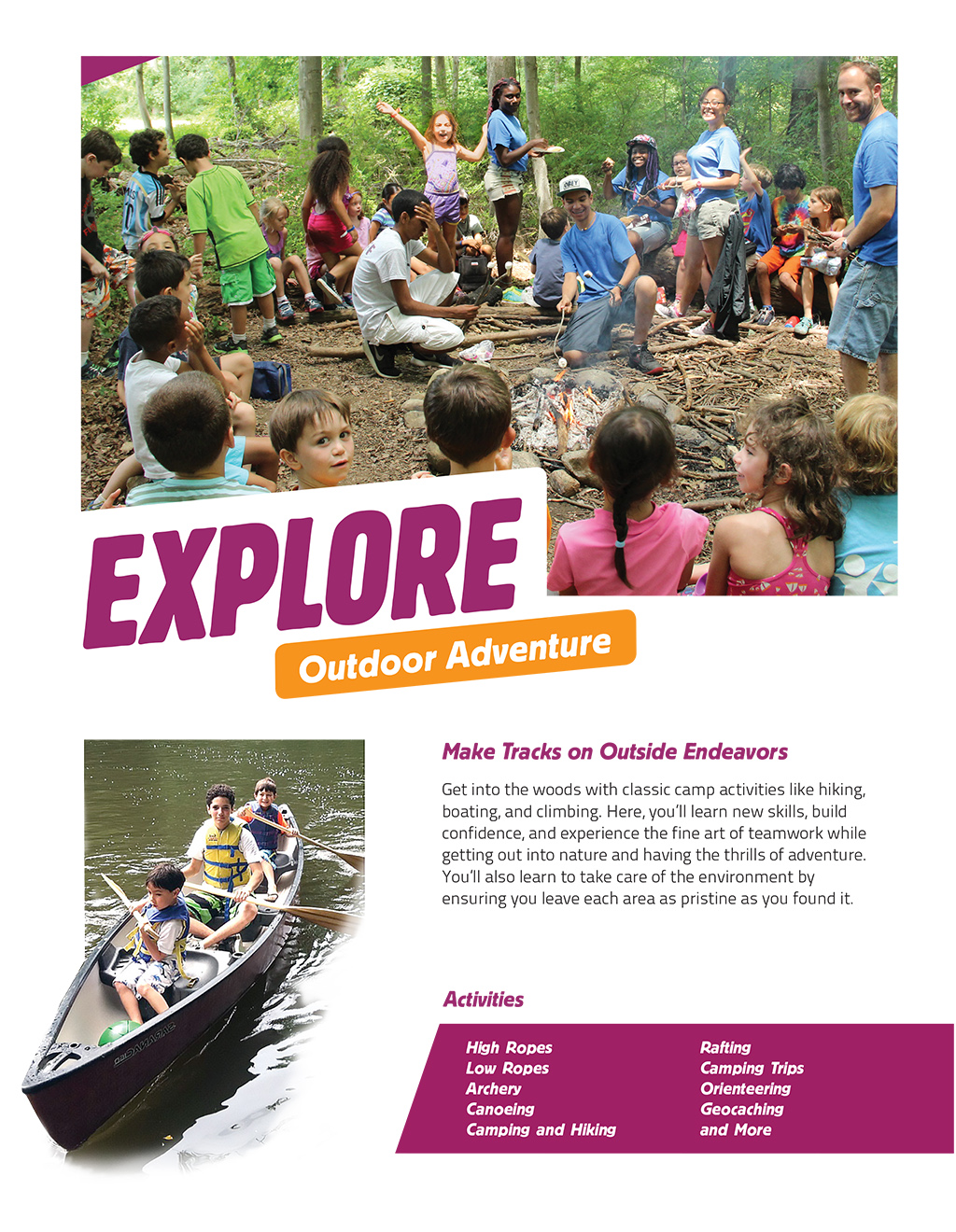
The three camps that make up the new camp are each long-time providers of Jewish camping experiences. One challenge was maintaining the loyalty and respect of existing supporters while igniting enthusiasm for the new organization. The additional challenge was introducing a new camp model in which campers choose one track of activities for a week at a time. The camp also had to appeal to Jewish campers without putting off non-Jewish ones. Equally important is a name that embodies the values of the new camp in a process that generates buy-in from existing stakeholders. Red Rooster Group worked with the three entities to craft a unified brand to successfully launch the new camp.

Organizations Merging Their Camps

Discoveryy

Our process began with a Discovery Phase which lays the foundation for the name, logo, branding, and marketing strategy. This provided a deep understanding of all the organizations involved in this merger and a clear picture of the potential market for the new camp. Discovery included interviews, competitive reviews, and a review of existing research that had been done for the camp merger.

Discovery Findings

Camp Similarities

The three existing camps share many attributes including position, values, and goals. Their common denominators were:

  • Commitment to quality programming and staff.
  • Dedication to Jewish values.
  • Reputation as best option in local area for the price.
  • Community, personal feel, familiarity.

Current equities: quality reputation of delivering on promise, trust, reliability, child-centric, focused, customer service and communications, ”best game in town.”

Local Differences

The research also uncovered unique differences for each of the three existing camps that had to be reconciled in the brand. For example, parents at one of the institutions based in the city felt a strong need for their children to be outside and in green space. At the entity in NJ, the population was homogeneous, contrasting with the diversity in the city. The third camp had a more educated and more Jewish/religious population.

Audiences
  • Current camper base is more than half non-Jewish or unaffiliated Jewish families.
  • Parents are looking for their child to be safe, grow, learn to be better human beings, feel good about themselves, make friends, and have fun.
  • They are looking for a camp that will provide a long day of coverage, safety, convenience, attractive pricing – many campers are on scholarships.
  • Child is engaged, busy, happy, making friends, learning, and growing emotionally.
  • Middle class working families prefer quality experience over bells and whistles.
Competitive Situation
  • Trend in short-term attendance at specialty camp instead of camp all summer.
  • Highly competitive focus on a single area in specialty camp can cause burn out.
  • Private camps are significantly more expensive, have ”brand name” instructors, many ”bells and whistles.”
  • Town camps are significantly less expensive with corresponding limited facilities and programming.
  • Competition is increasing from summer programs at schools and synagogues as well as community offerings.
New Camp Competitive Position
  • The new camp will hold a center position at the crossroads between expensive to inexpensive, and specialty to traditional.
  • Offers what the expensive camps have at an affordable price.
  • Serves campers who wants a specialty experience without giving up other activities.
  • The pre-eminent place in the area to send your child.

Group

Positioning

Goals

The camp’s marketing goal is to increase the collective camp attendance by 300 to 800 in 2015. Reaching this goal requires raising awareness of the new brand and the value of the camping experience it offers while communicating a consistent narrative about the new entity formed from three different organizations.

Brand Positioning

We wrote a brand positioning statement to set the new camp apart from other camps serving families — both Jewish and non-Jewish — in the Upper Manhattan-Bronx-Tarrytown area. In developing the new camp’s messaging, we explored the concepts from the Discovery Phase to clearly differentiate the new camp from its competitors and appeal to parents.

Brand Positioning Statement

New Camp provides your children with a well-rounded summer day camp experience where they get to choose specialty programming that interests them while also enjoying all of the other activities that you would expect from a camp. Because this new model offers campers freedom of choice, it also aids families in making the best camp choices for their children.

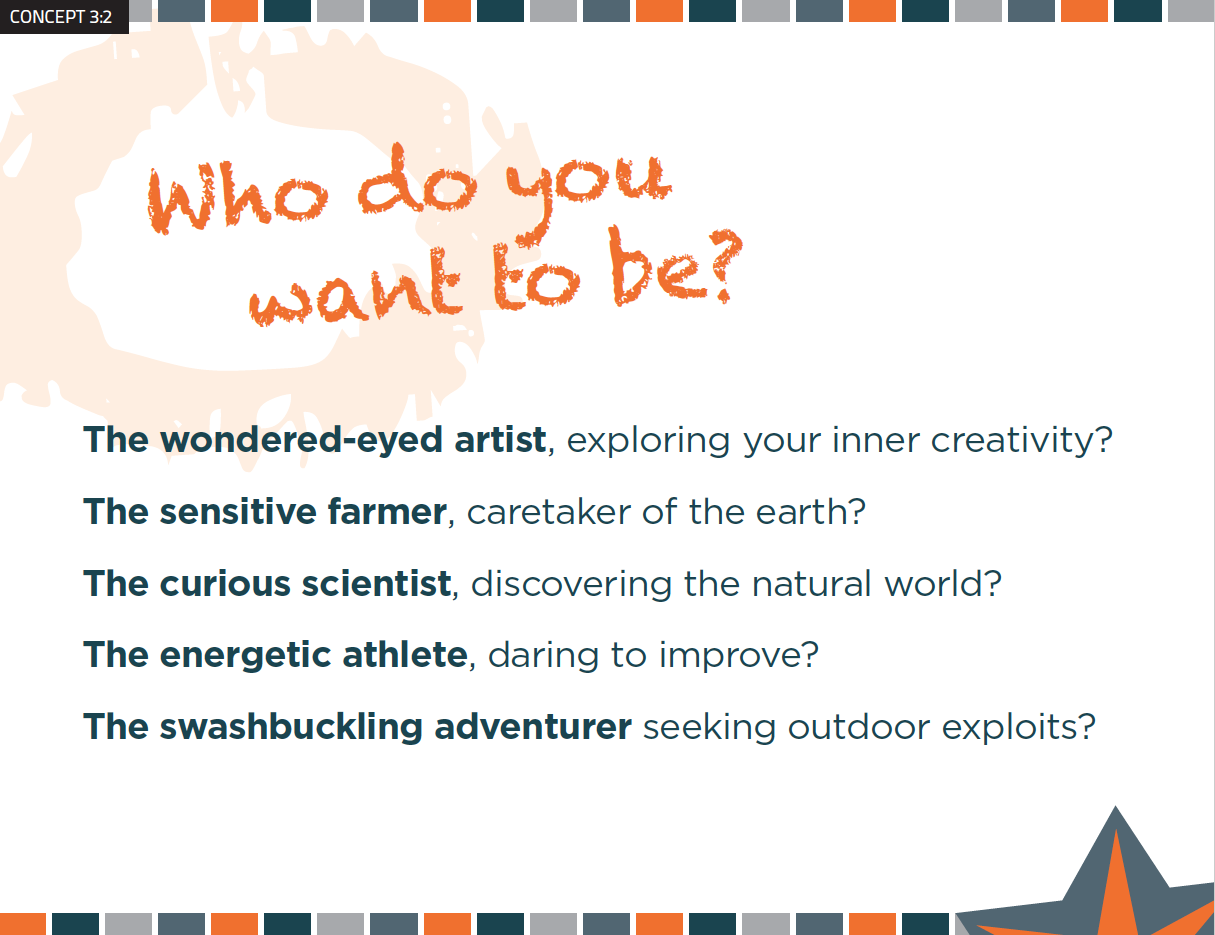
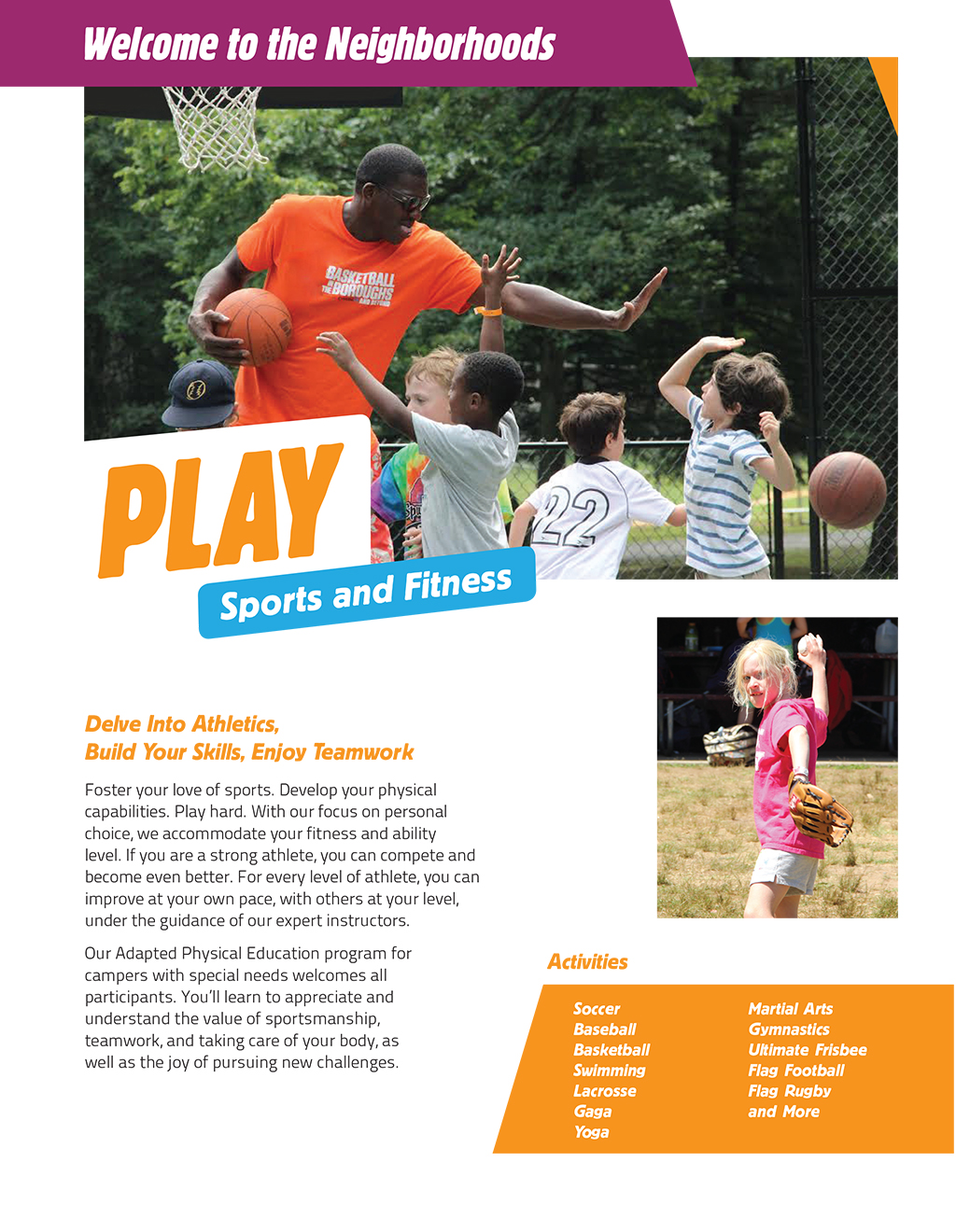
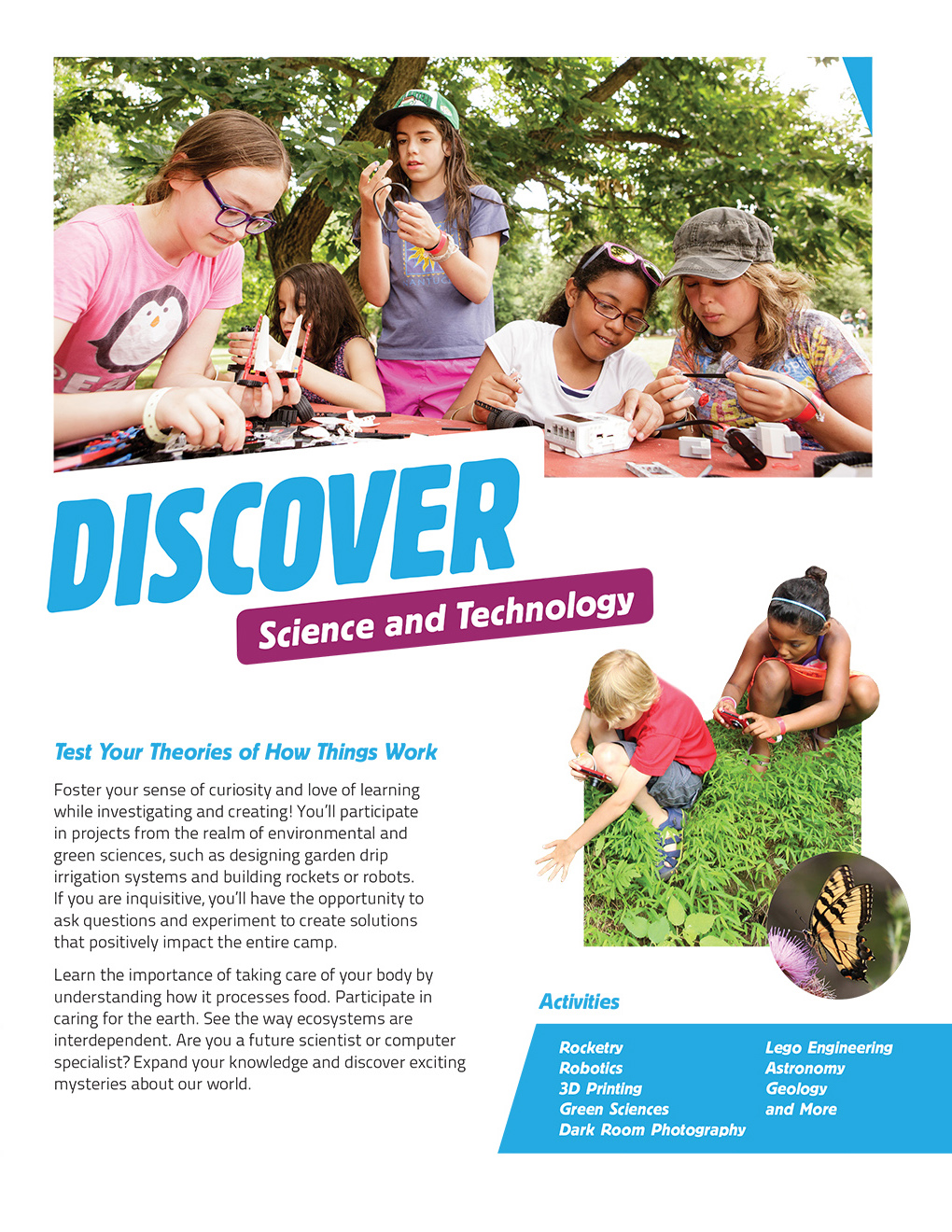
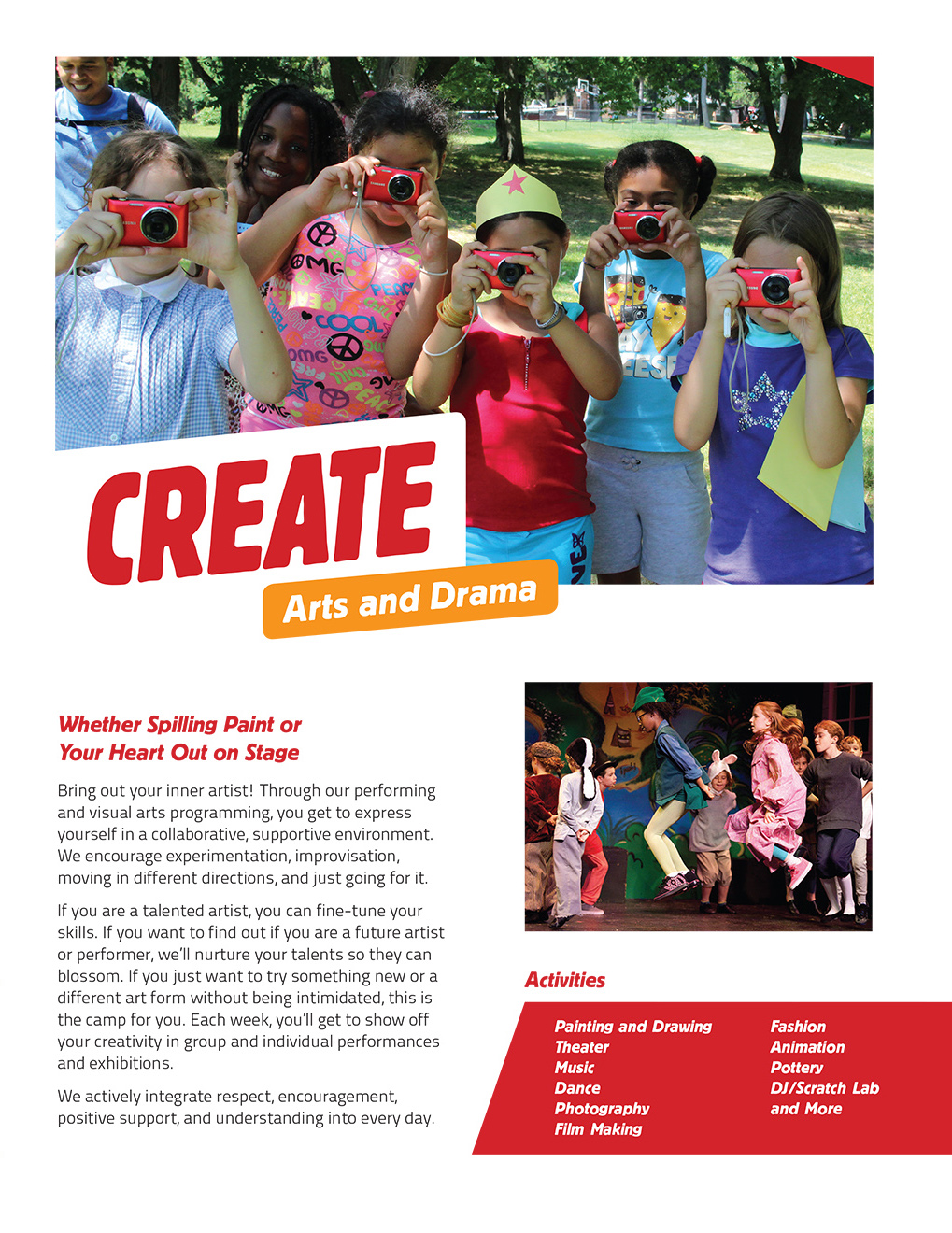
Like choosing a major at college, children select from different “Neighborhoods” or “pockets  of interest” for a week at a time, allowing them to explore new activities, learn new skills, and strengthen those they already have. This Neighborhood concept allows campers to focus on their favorite specialty area and then to explore other areas if they want to. Deep friendships evolve as the children explore these activities with others kids who share their interests. The Neighborhoods include: Fitness and Athletics, Arts and Drama, Science and Nature, Outdoor Adventure, and Farm to Table

Campers spend their time in a warm, nurturing environment where the framework of Jewish values actively teaches them to care for their bodies, the environment, and for other people.

Naming

Naming

The camp’s name is the first point of contact with parents and campers. It must convey something that makes people — staff as well as parents — want to engage with the organization. The new camp needs a name and tagline that accurately represents the new organization and can serve as a foundation for growth.

Naming Process

Our process is to generate a wide-ranging selection of names and home in on those that meet the naming criteria.

  1. We wrote a Creative Brief that described the naming criteria that had been determined through the Discovery process.
  2. We collected the names of 1,000 camps, analyzed them and found that they could be sorted into 8 different categories, providing a framework for exploring potential camp names.
  3. We then generated hundreds of name ideas for the camp, exploring a range of different types of names, from Descriptive to Evocative. The names explored how to communicate some level of Judaism without being too overt.
  4. After rounds of refinement and vetting to eliminate names that had conflicts with other entities, we presented a refined list of names for consideration.
  5. After review by the three decision-makers and others from the three entities, three names were selected for field testing.

Refined List of Names

Camp Mavenhood

Camp Mavenwood

Camp Twelve Trails

Camp 12 Stones

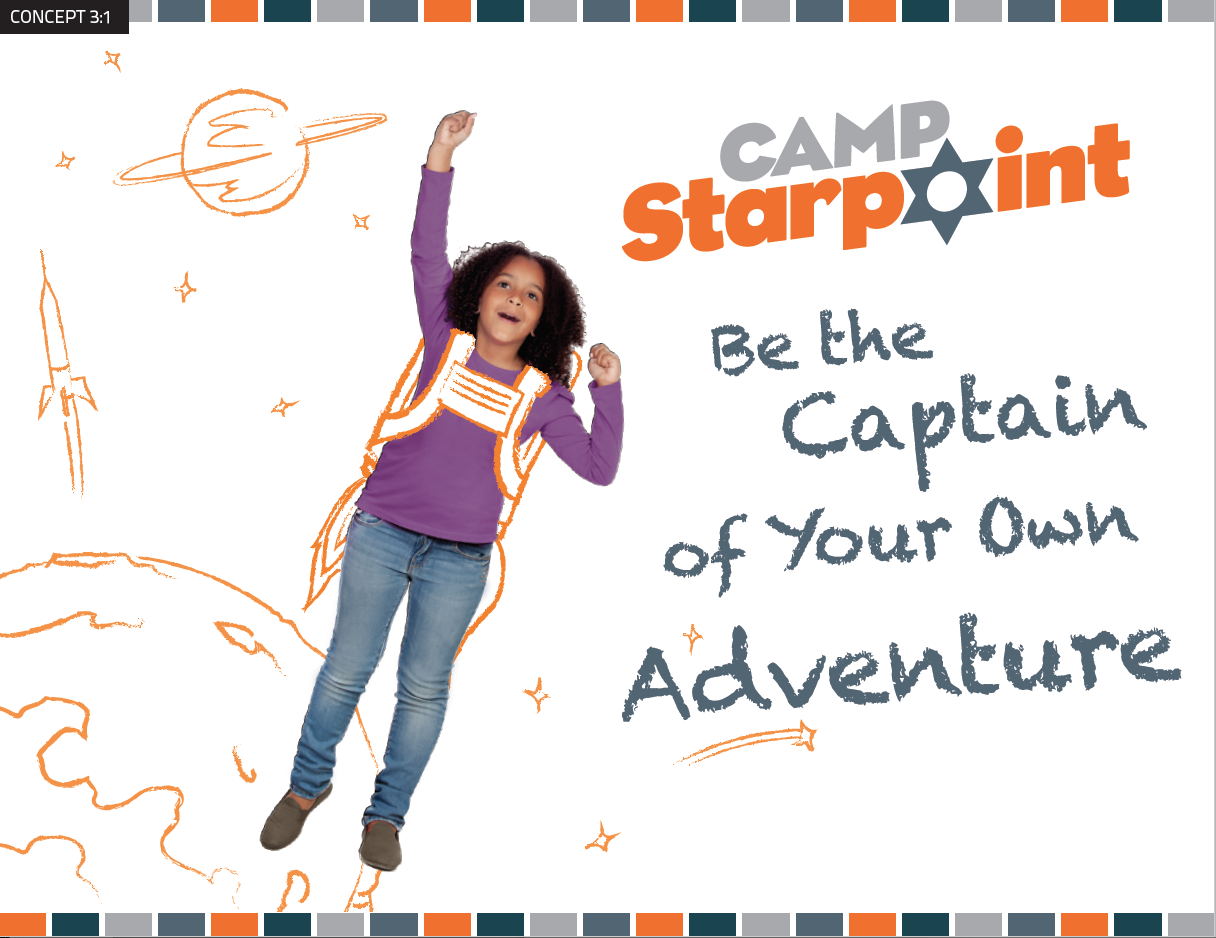
Camp Starpoint

Camp Blue Jay

Camp Cluster

Camp Oola, Oola Day Camp

Camp Kiskadee

Camp Plentifun

Fantastikids Day Camp

Camp Visioneer

Camp WonderQuest

Camp WonderScope

Camp Wonderville

Three Names Selected for Testing

Camp Twelve Trails

Camp Starpoint

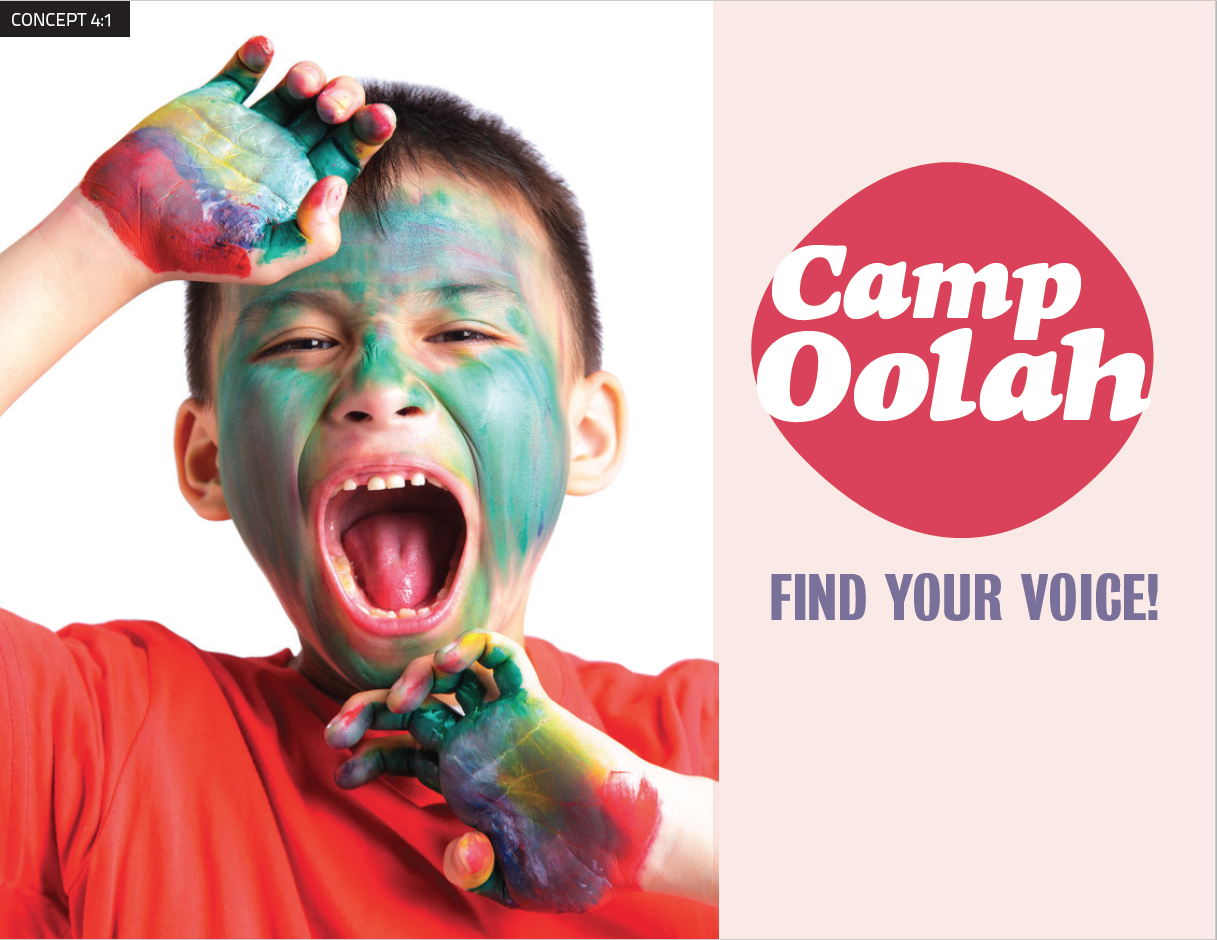
Camp Oola

Discover

Developing the Concepts 

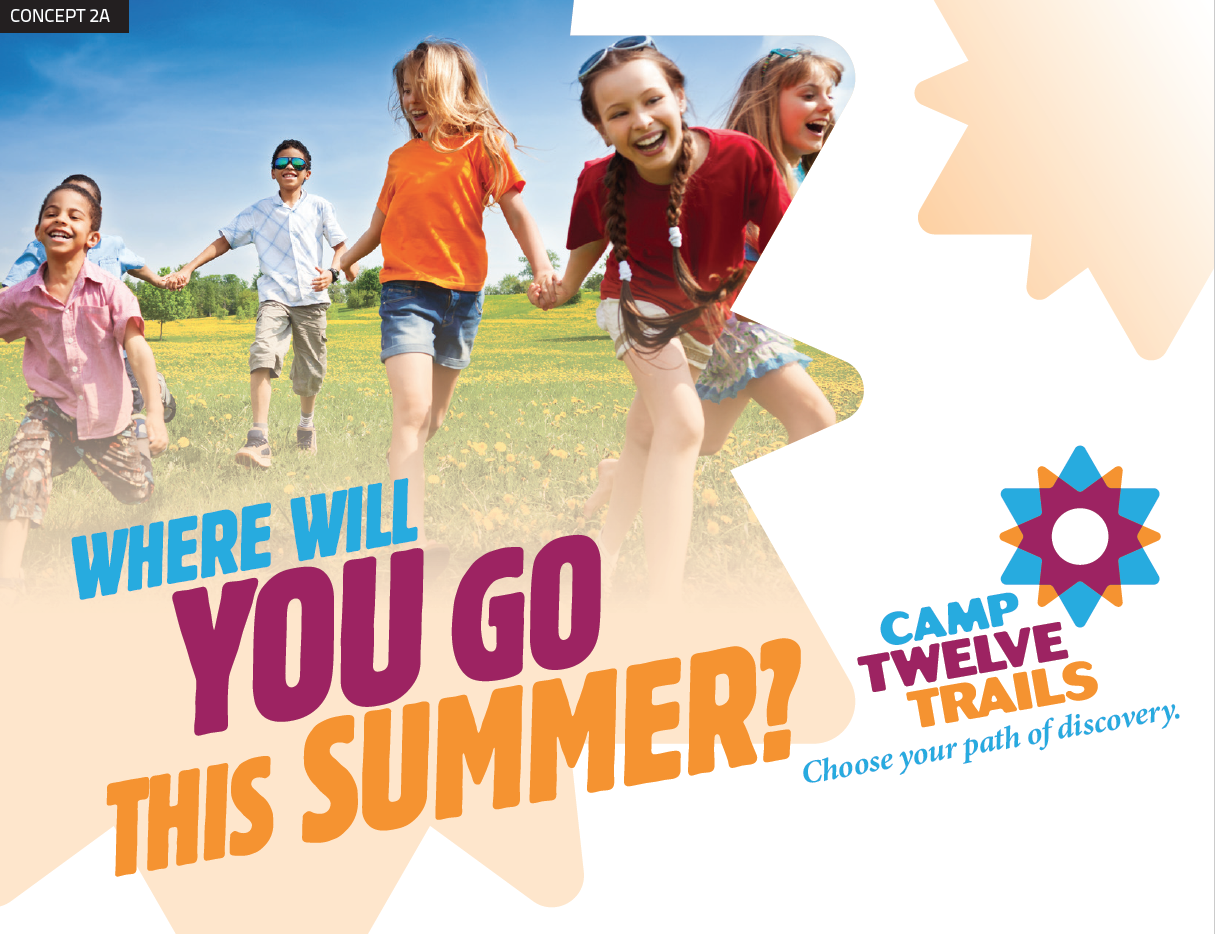
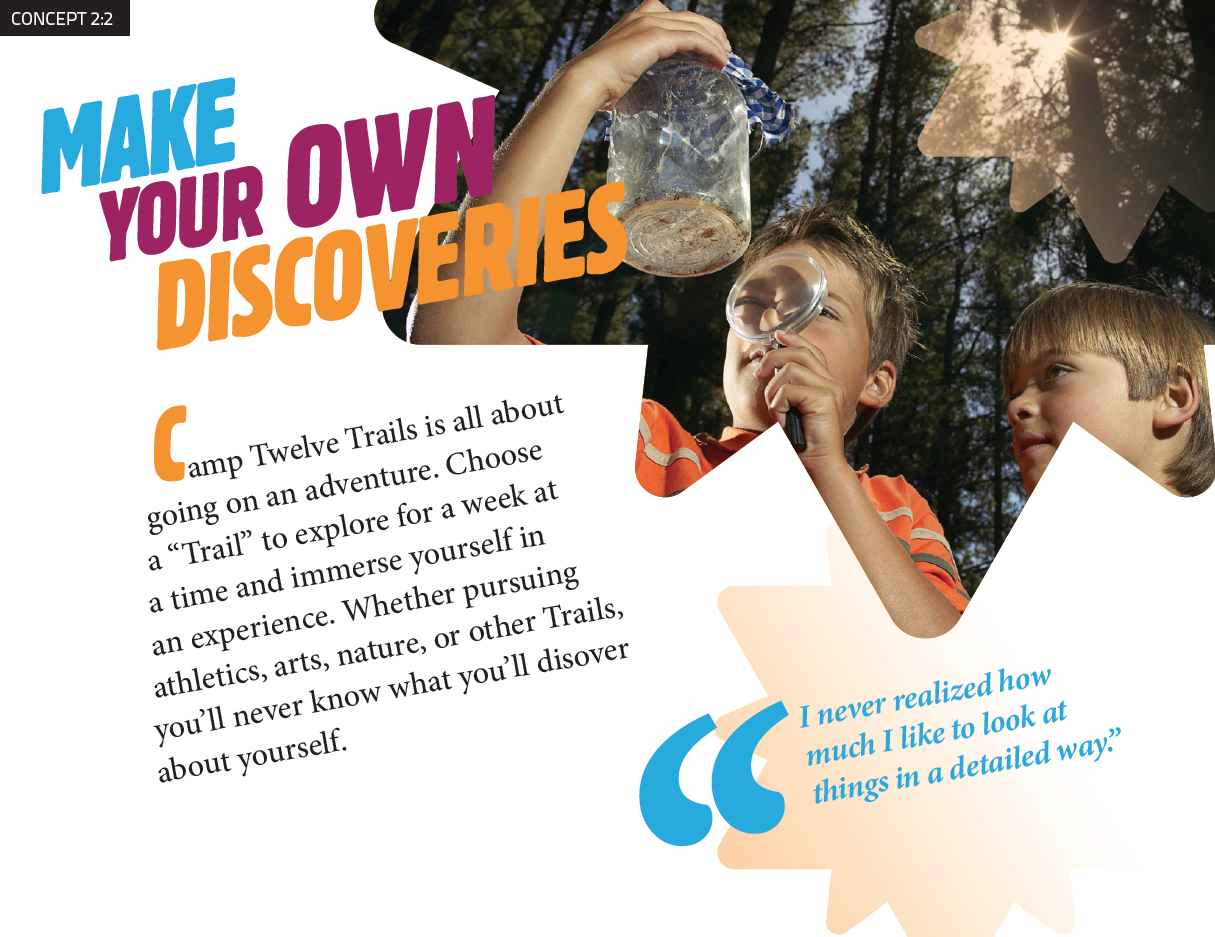
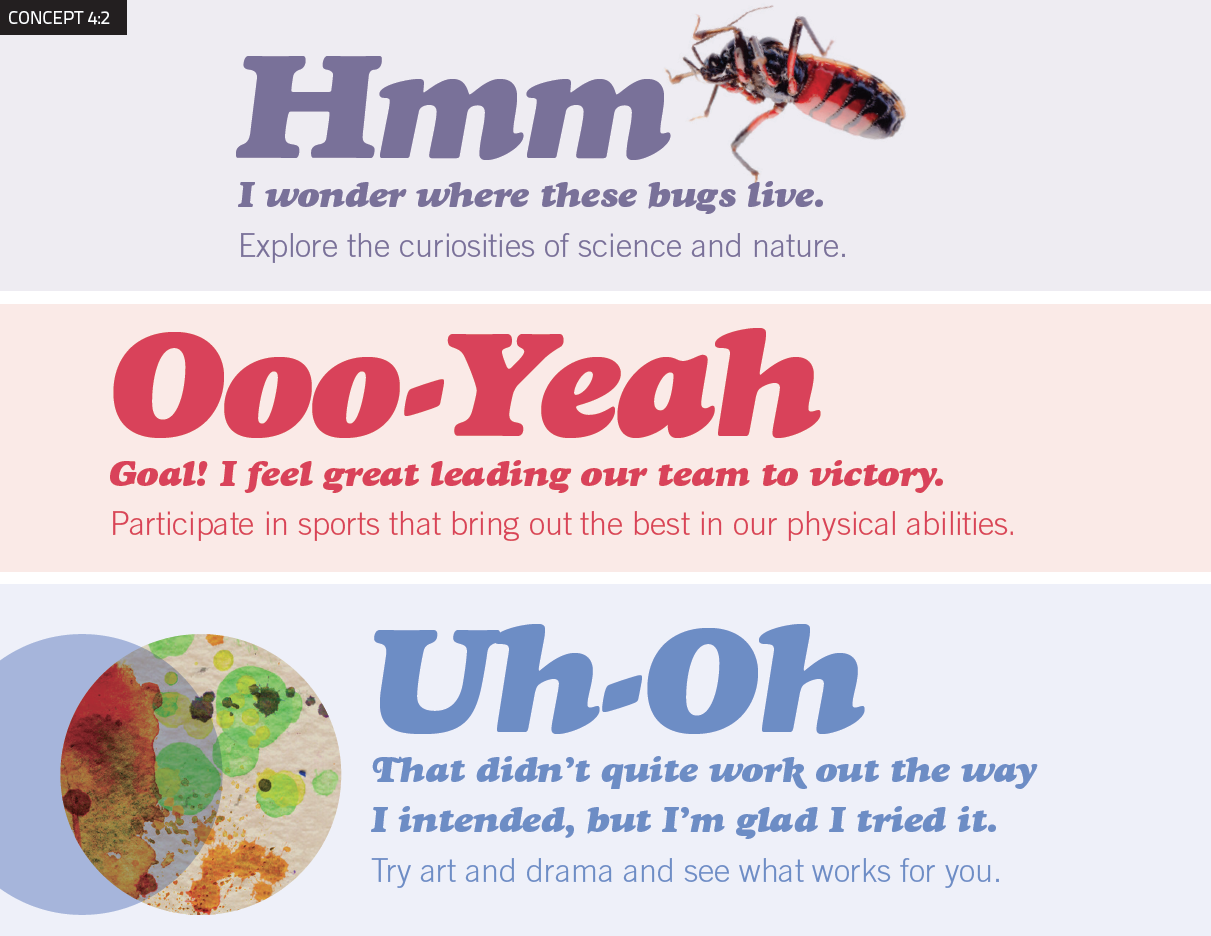
To bring the names to life, we developed conceptual approaches for each of the names to show the logos and overall visual direction for the marketing materials.

Camp Moodboard 2-1
Camp Moodboard 2-2
Camp Moodboard 3-1
Camp Moodboard 3-2
Camp Moodboard 4-1
Camp Moodboard 4-2

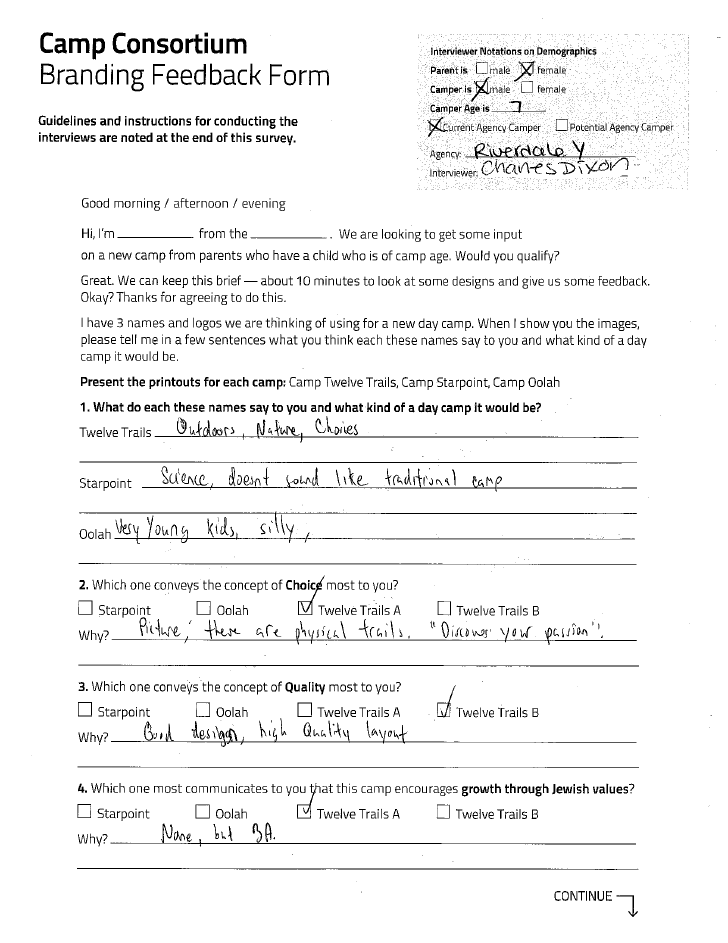
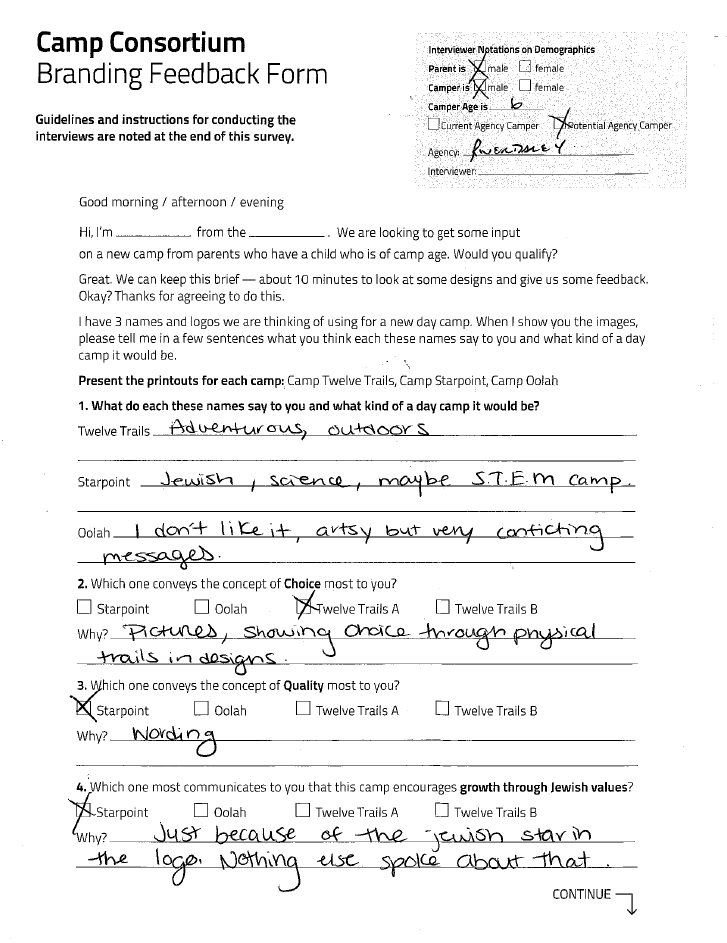
Getting Parent Feedback

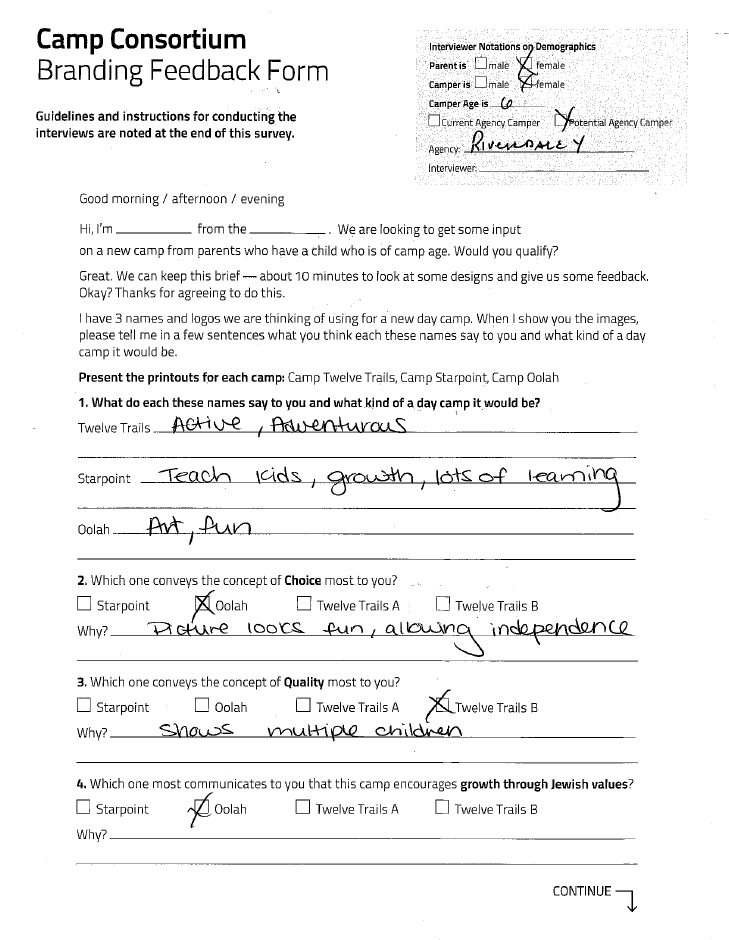
We gathered feedback on the concepts from parents at the venues. The questionnaire was carefully crafted to ask people to rate the concepts based on how well they met specific criteria, allowing us to evaluate which concept best met the camp’s needs rather than just gathering subjective opinions.

Camp Feedback 6
Camp Feedback 5
Camp Feedback 4

Selected Name & Visual Approach

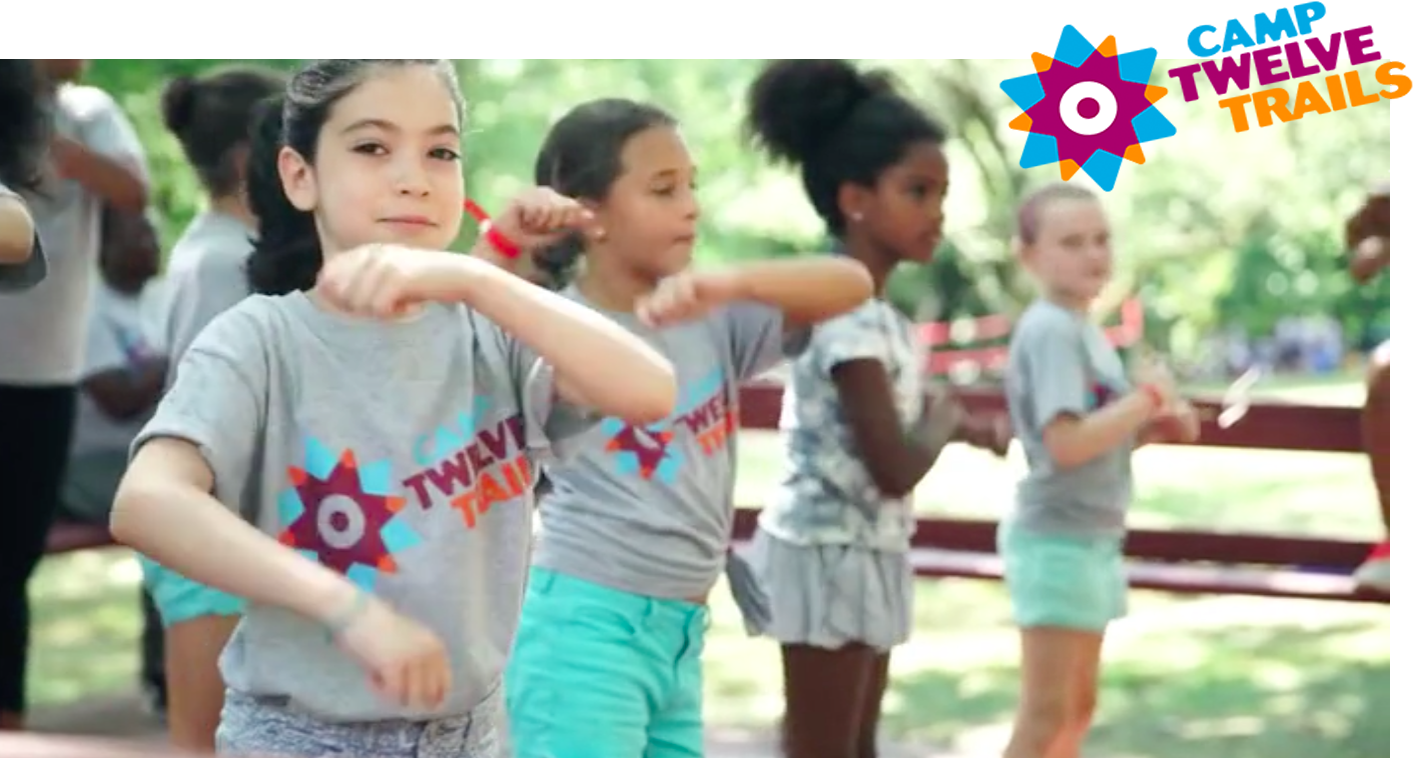
Camp Twelve Trails was the name chosen to best convey the array of choices and adventure that campers face, with a subtle reference to the twelve tribes of Israel. A sense of Judaism is also subtly conveyed in the logo — two overlapping Jewish stars create a compass with 12 points.

Camp Selected Concept

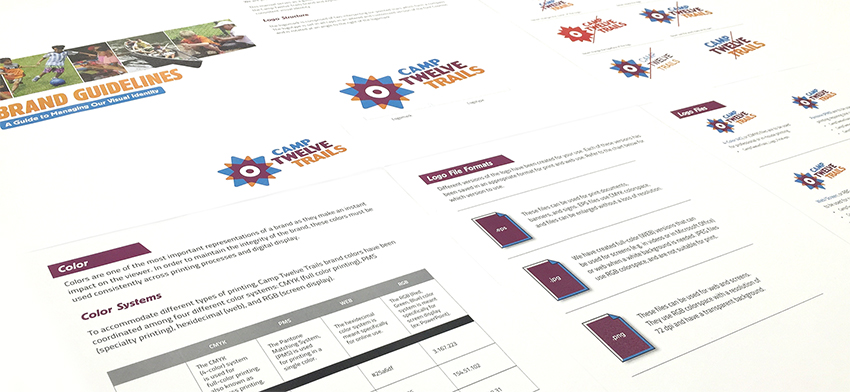
Brand Manual

To help the camp manage their brand, we developed a Brand Manual that describes the brand elements and shows correct and incorrect ways to use the logo. The package also contains a full set of logos created for use in print and online.

Camp Brand Manual

Brochure

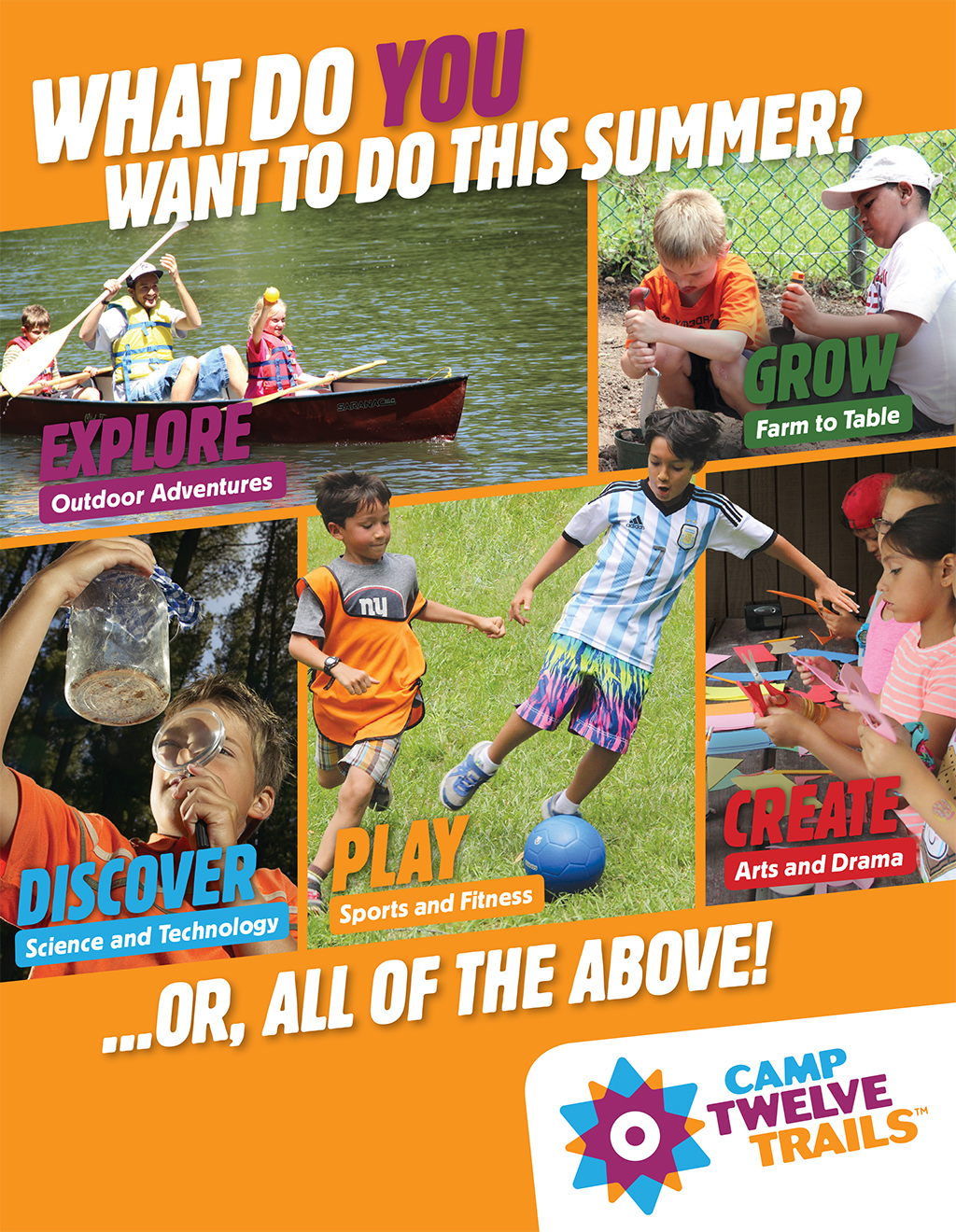
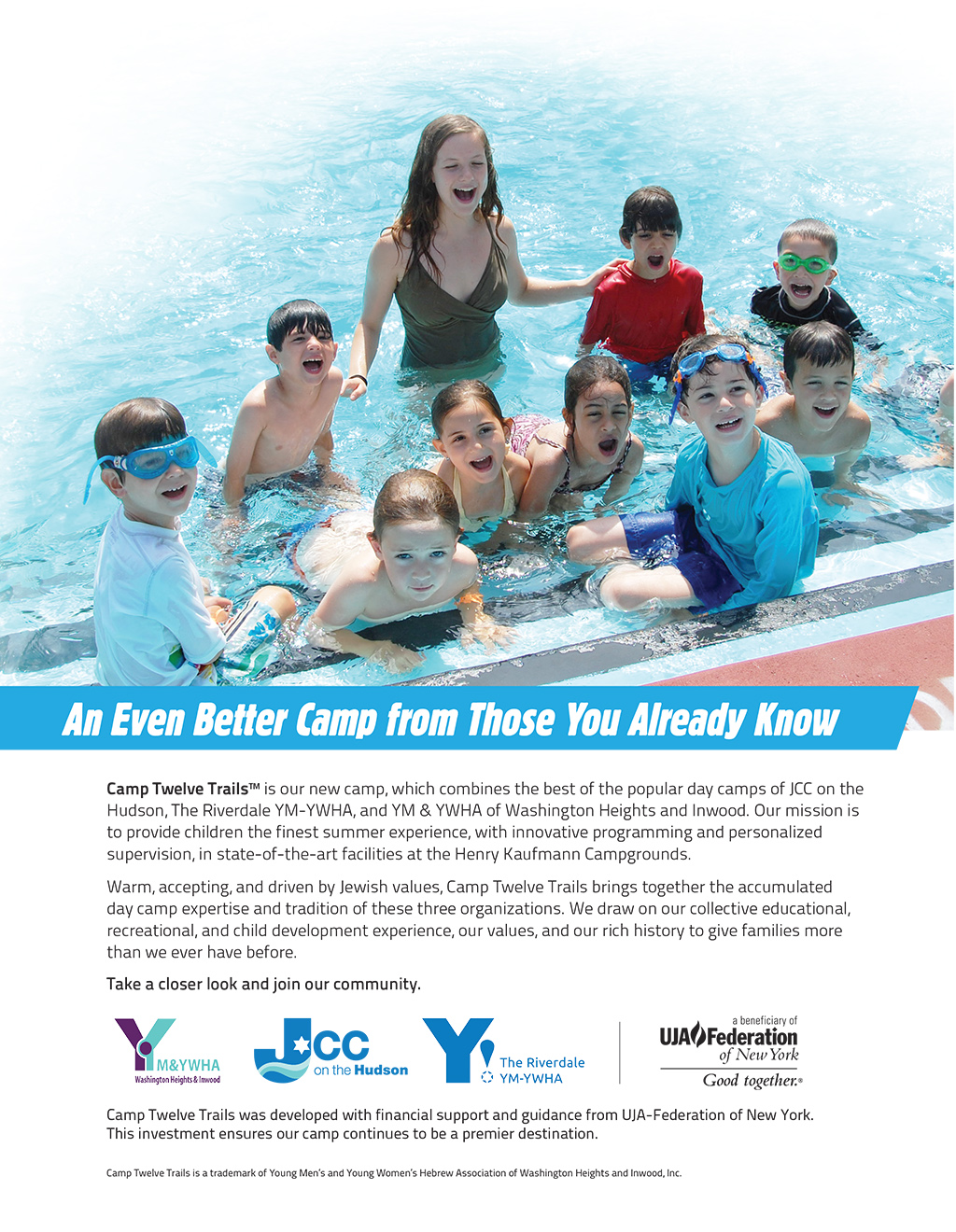
We wrote and designed a brochure to showcase the camp’s unique Neighborhood model, which allows campers to select one specialization for a week at a time. The brochure addressed the issue of connecting to the three merging organizations, and addressed the camp’s Jewish values in a section called Our Philosophy. The visual look of the brochure established the look for the website.

YMHA Brochure Cover
C12T Brochure Back
YMHA Brochure Play
YMHA Brochure Discover
YMHA Brochure Create
YMHA Brochure Explore

Website

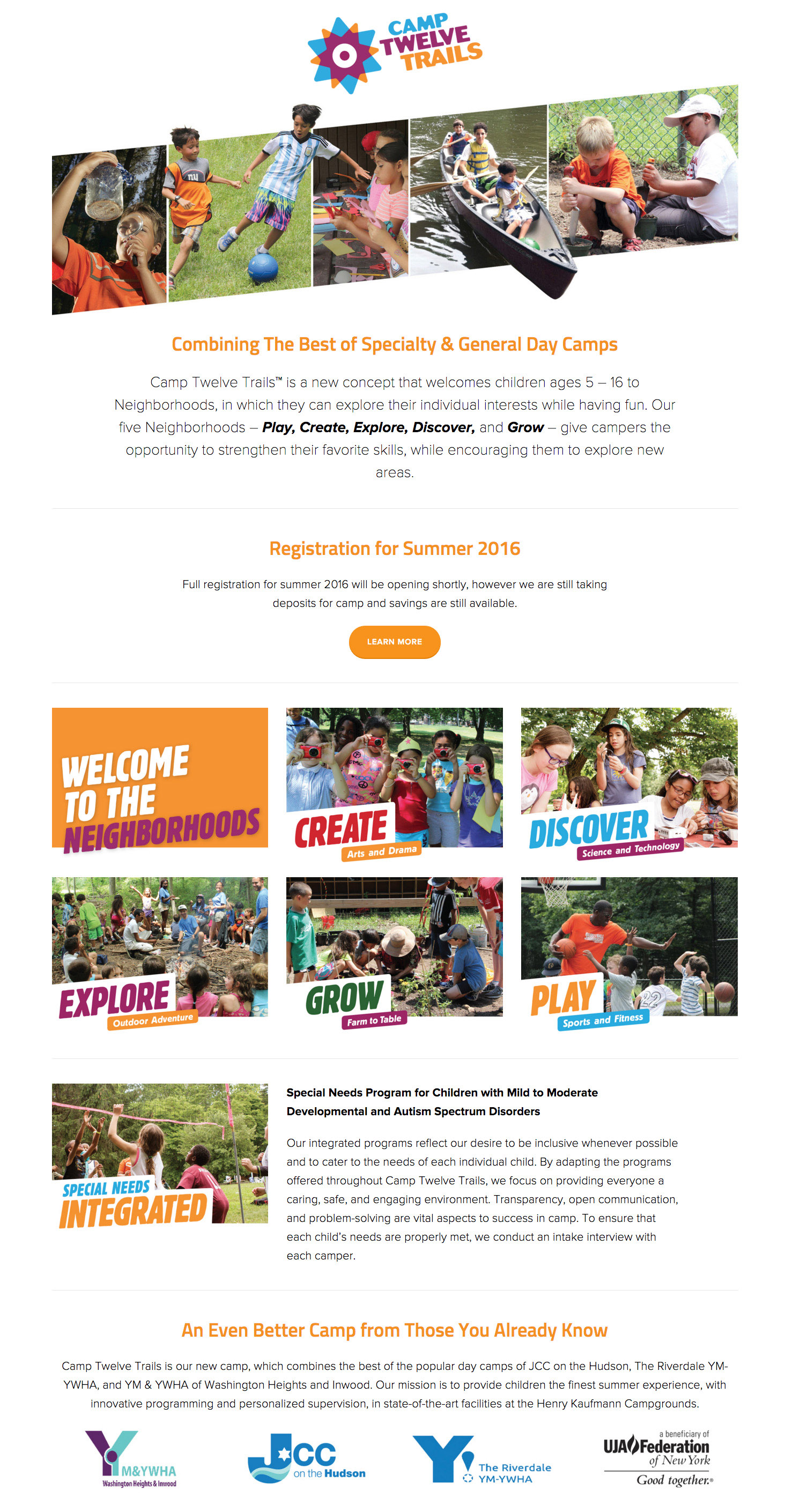
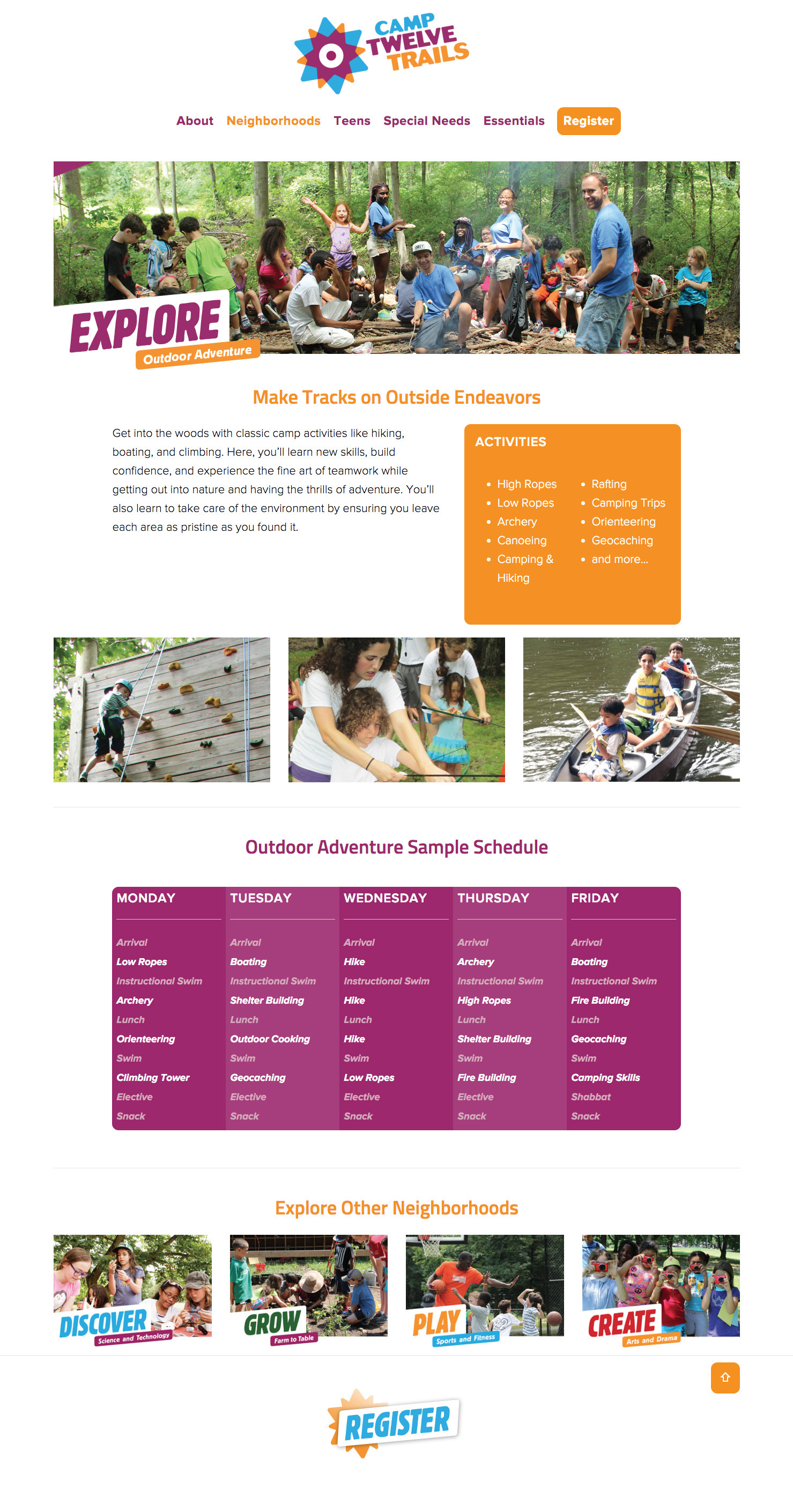
As the first point of contact with many potential campers, the website showcases the new identity and makes a compelling case that positions the Consortium as a singular camping experience for Jewish and non-Jewish children. We created an engaging design to capture people’s attention while maintaining a professional, unified look for the organization that is consistent across the website and reinforces the brand messages.

The website features visual storytelling to showcase the vibrancy of the programs and tell the stories of campers. A clean navigation and user experience let site visitors easily find the specific information they need. Templates allow flexibility in the management of the site moving forward and responsive design adapts to tablets and mobile devices.

New Brand Helps Three Camps Merge into One

Results

The new camp has been successful in attracting campers.

In the first year, the new camp exceeded the combined registrations for the 3 camps from the prior year. The camp has received the most early bird registrations they have ever received with 205, compared with 180 the previous year.

Early Bird Registrations

205 in first year of new camp

180 previous year

Renaming a National Nonprofit Organization and Its Programs

Partnership With Native Americans

Renaming a National Nonprofit for Increased Fundraising Impact

The country’s largest charity supporting Native American communities came to Red Rooster Group to address its brand challenge — its fundraising sub-brands were generating diminishing returns. Our comprehensive assessment and new naming strategy returned the organization to fundraising profitability within 6 months.

Services

  • Brand Analysis
  • Competitive Analysis
  • Stakeholder Interviews
  • Brand Positioning & Messaging
  • Naming
  • Field Testing & Surveys
  • Visual Identity System
  • Brand Style Guide

Challenge

Key Issues

  • The parent name did not reflect the mission of the organization and had little recognition outside the current donor base.
  • Multiple program areas had separate brand identities which confused donors and cannibalized revenue from each other.
  • Combining names might result in lost revenue.

Objectives

  • Re-position the parent organization while reducing the confusion caused by the many operating brands.
  • Better distinguish the organization from similar organizations so it becomes the charity of choice for donations to Native American causes.
  • Implement the new brand without negatively affecting fundraising efforts.

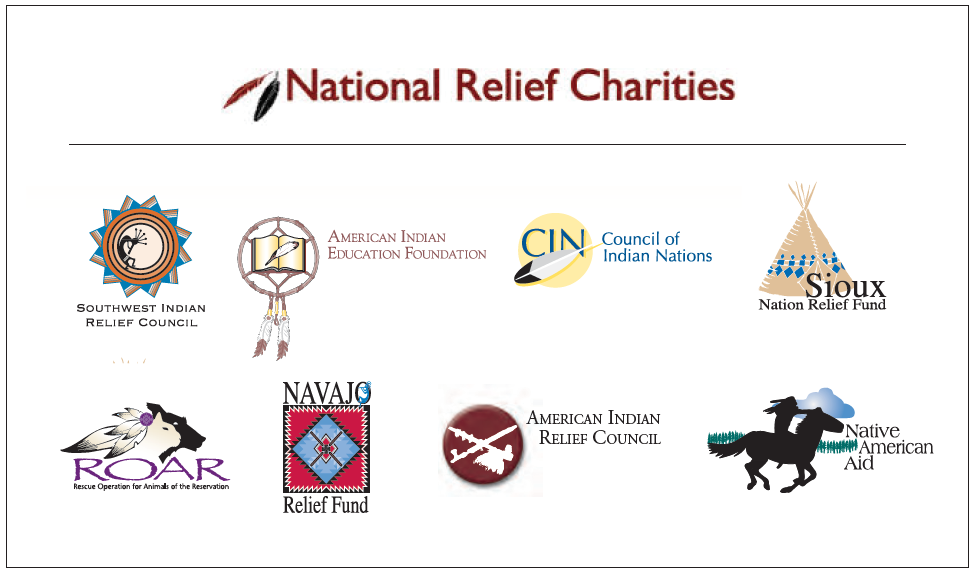
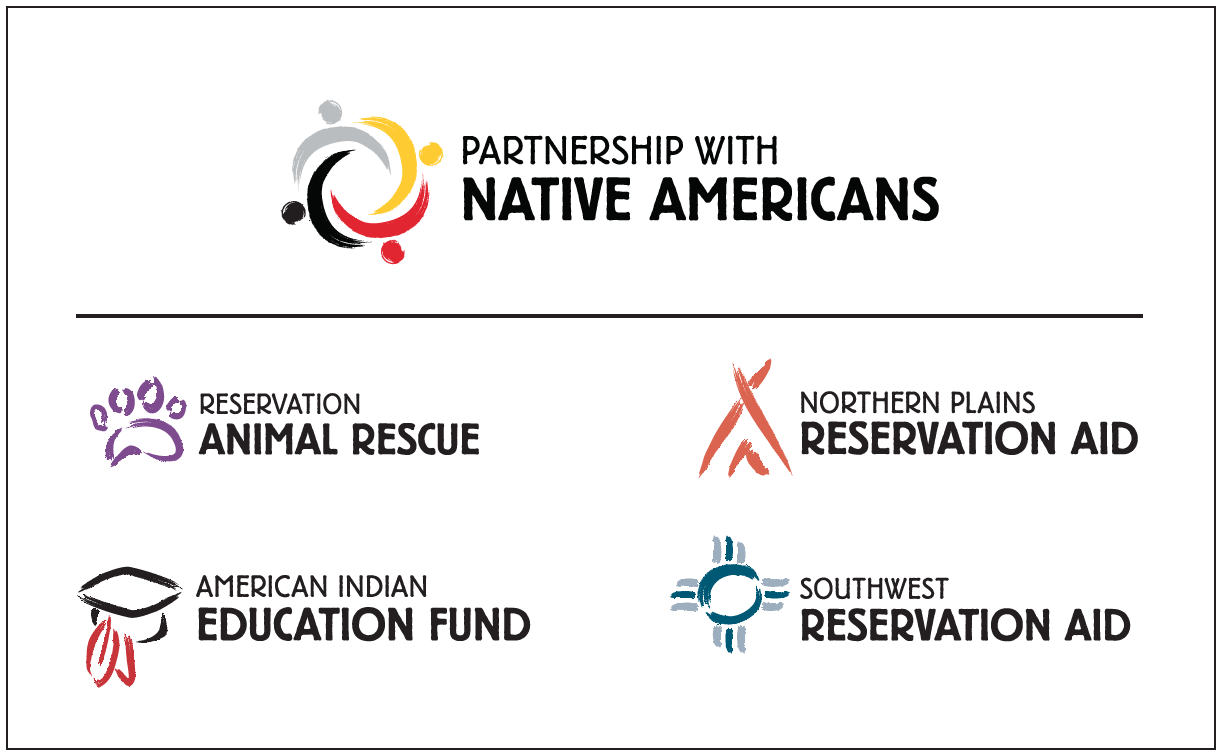
BEFORE 

AFTER 

Research

Our research phase included:

  • Reviewing Existing Research: We started by assessing the fundraising base and demographics to gain an overview of how NRC raised funds through direct mail and telemarketing, and with an extensive breakdown by program type and donor analysis and trends.
  • Competitive Review: We looked at more than 100 Native American relief and related organizations to understand the dynamics of the landscape.
  • Brand Workshop: This session with the organization’s leadership provided the opportunity to share NRC’s history as it pertained to moving the brand forward, explore NRC’s brand uniqueness, and clarify the issues and expectations around the naming the organization.

Name Development

Creative Brief for the Name

Before generating names, we wrote a Creative Brief to get everyone on the same page about what the name should accomplish and to list the criteria and considerations for the name. The Creative Brief included Image Criteria, Functional Criteria, Directional Naming Considerations, and the Decision-Making Process for choosing the name. We also wrote a Brand Statement that summarized what NRC is all about in order to provide direction for generating names.

Generating Names

We explored broadly generating names for the parent brand, developing Descriptive and Evocative Names, names that were literal, benefit-oriented, metaphorical, and action-oriented. We discussed the initial list of names with the client to assess the types of names that would be suitable. It was determined that Descriptive names would best work for the organization and that the word ”partnership” resonated as a leading term.

We discussed the initial list of names with the client. The goal at this stage was to assess the types of names that would be suitable. It was determined that Descriptive names would best work for the organization, and so the Evocative names were discarded. The word ”partnership” resonated as a leading term.

Testing

We tested the names in the following ways:

Interviews

We conducted 18 in-depth interviews with a range of constituents to generate qualitative feedback on three primary themes and name options, in order to determine which resonated best with key stakeholder groups.

Surveys

We conducted a randomized survey of NRC’s internal donor base to field-test the appeal of various parent names and get insight into program loyalties. Variations of the survey were created for donors to each of the eight sub-brands. More than 700 donors completed the surveys.

Sub-Brand Naming

Assessing the Sub-Brands

A goal of the re-branding effort was to consolidate its eight program sub-brands in a way that both supported the new parent name while preserving the funding appeal of the organization’s three primary focus areas:

  • Geographic Focus (Plains, Southwest)
  • Type of Service (health, medical, economic, education)
  • Long vs. Short-term Impacts (capacity-building vs. short-term relief)

In considering directions for the sub-brand renaming strategy, we evaluated the strengths and weaknesses of each program name and focus of service and made recommendations for the sub-brands based on the findings that:

  • Donors had stronger allegiances to the general mission of supporting Native American communities than to any particular program.
  • Certain programs (e.g., animal care) had significant name recognition and loyalty.

Visual Identity

Developing a Brand Architecture

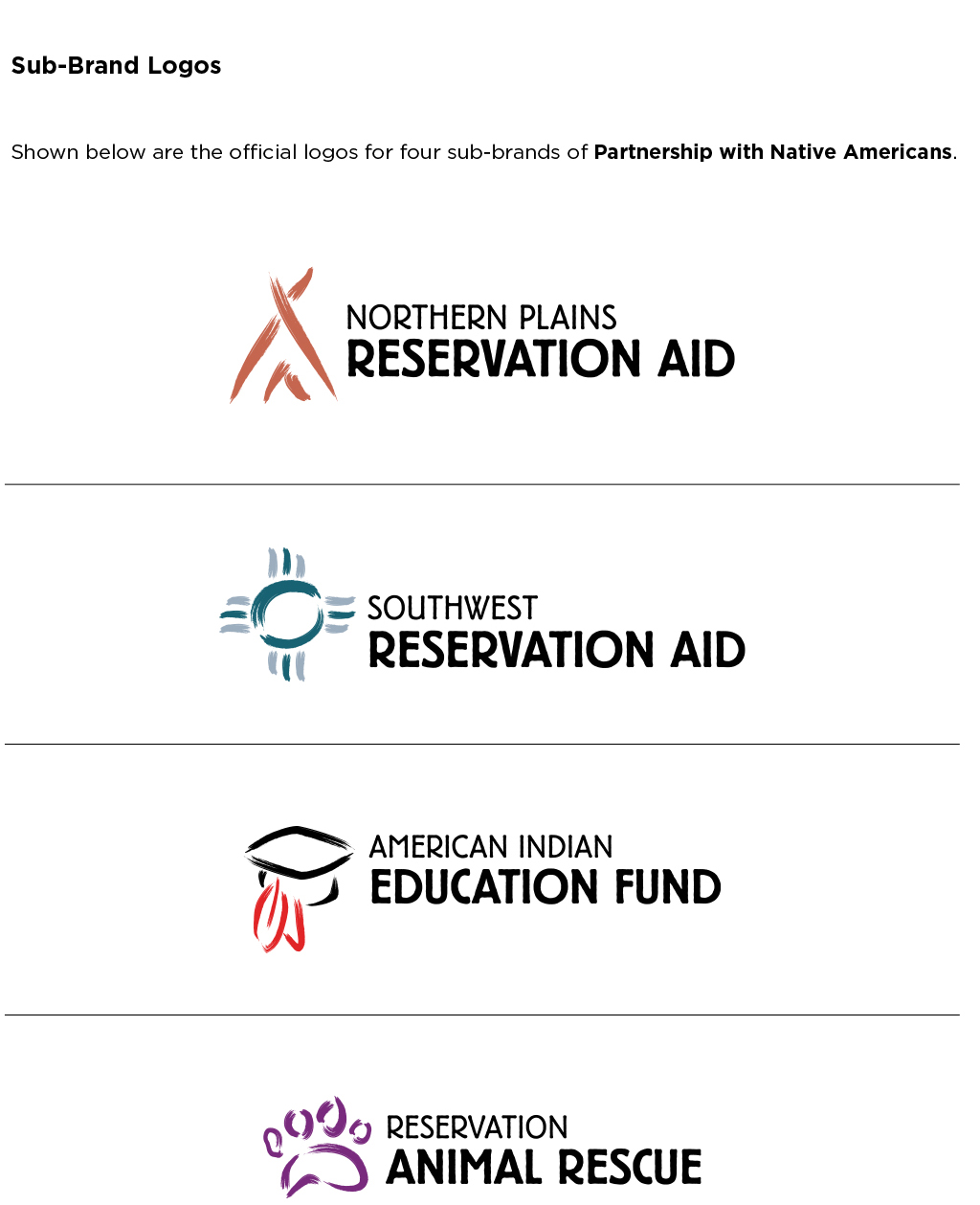
After the names had been established, we started designing a brand architecture that unified the parent brand and its sub-brands into a cohesive brand family that could be easily recognized by supporters of all the programs. This would allow the organization to take credit for all of its programs and expand its fundraising appeal.

Given the task of building out the sub-brand logos in a way that connected them with the parent logo, we rendered the medicine wheel concept with brush strokes, allowing us to use that style for the sub-brands to create a consistent look across the organization. We then explored colors that would best represent each of the sub-brands.

PWNA Main Logo
PWNA RAR Brand
PWNA AIE Brand
PWNA NPRA Brand
PWNA SRA Brand

Brand Manual

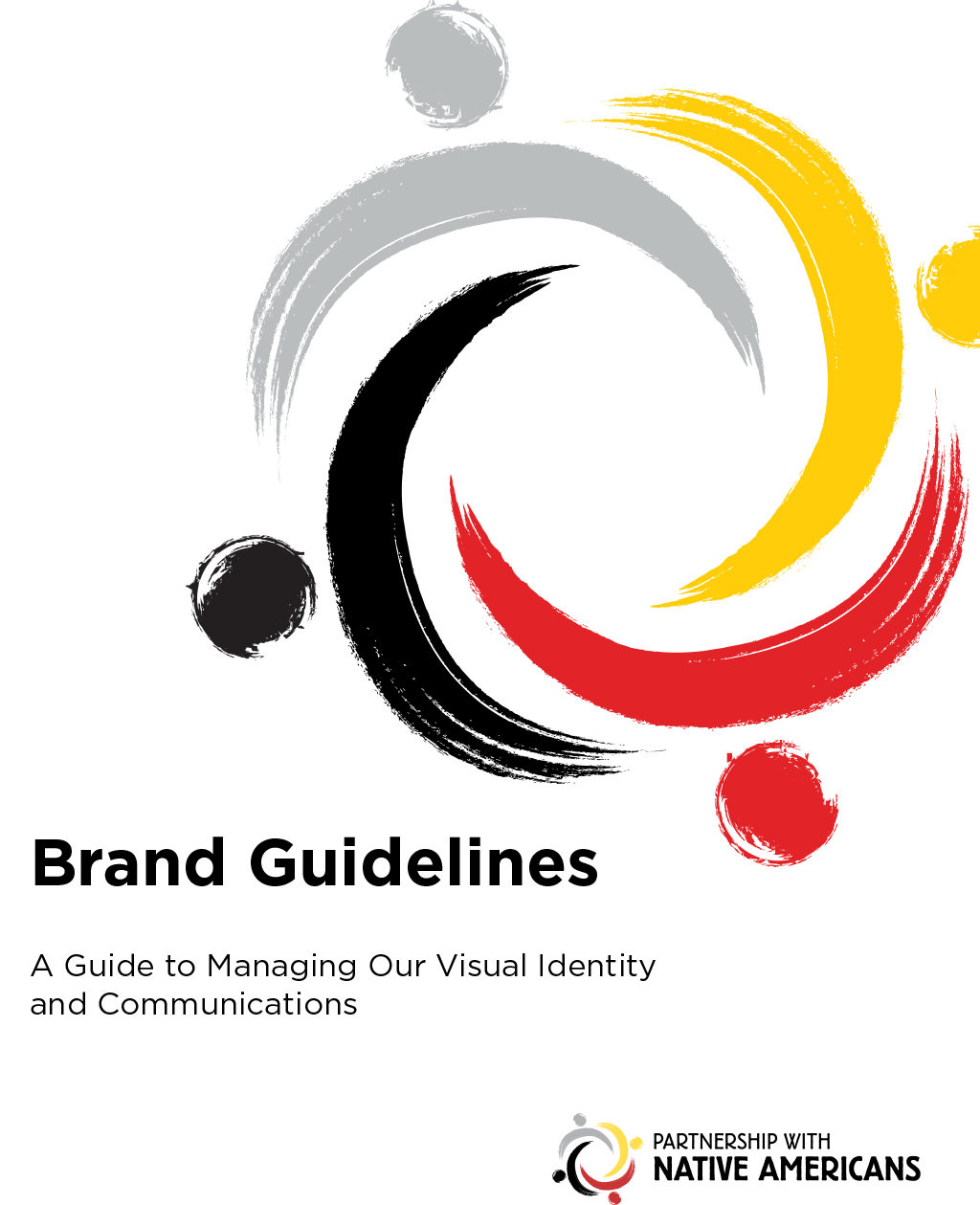
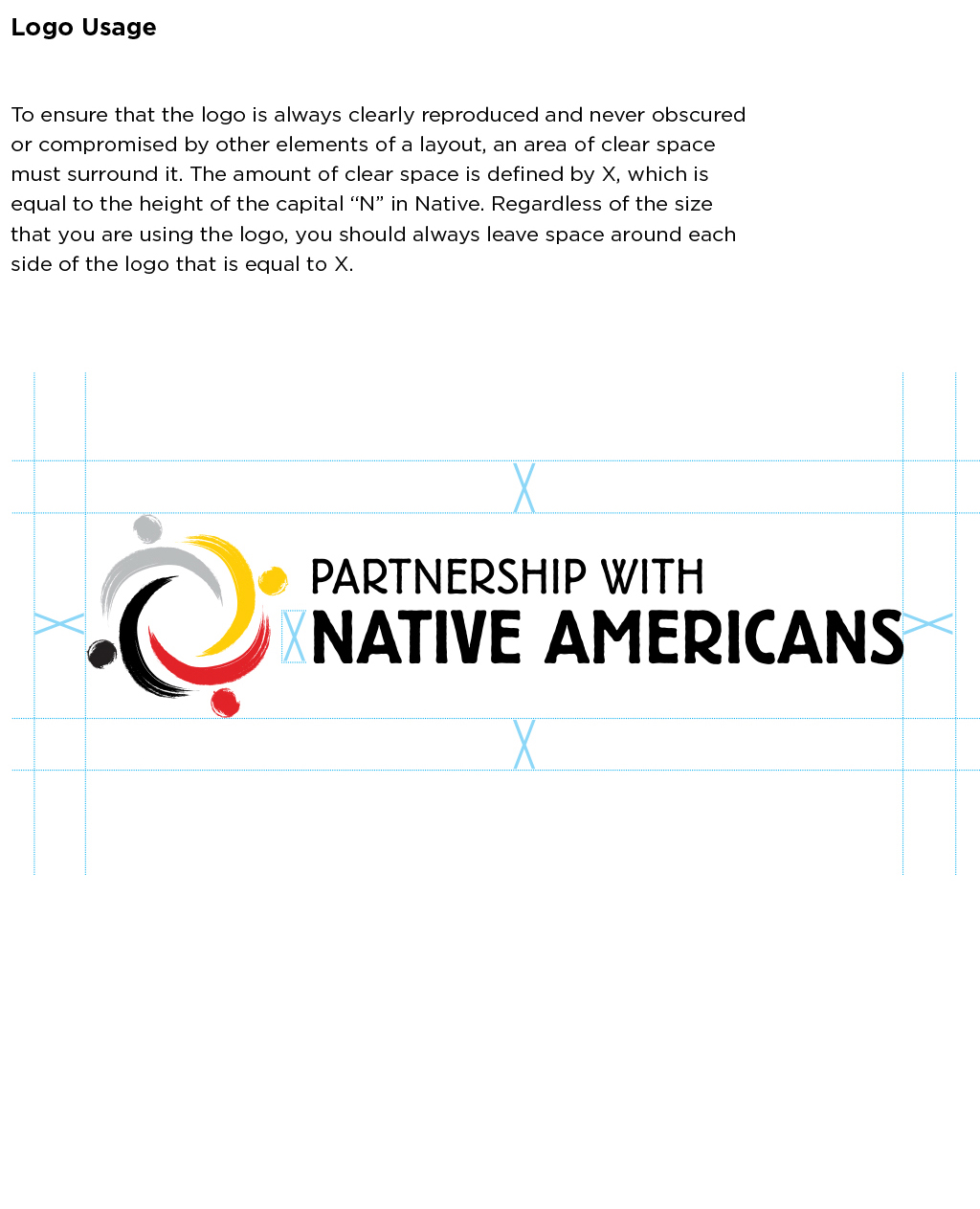
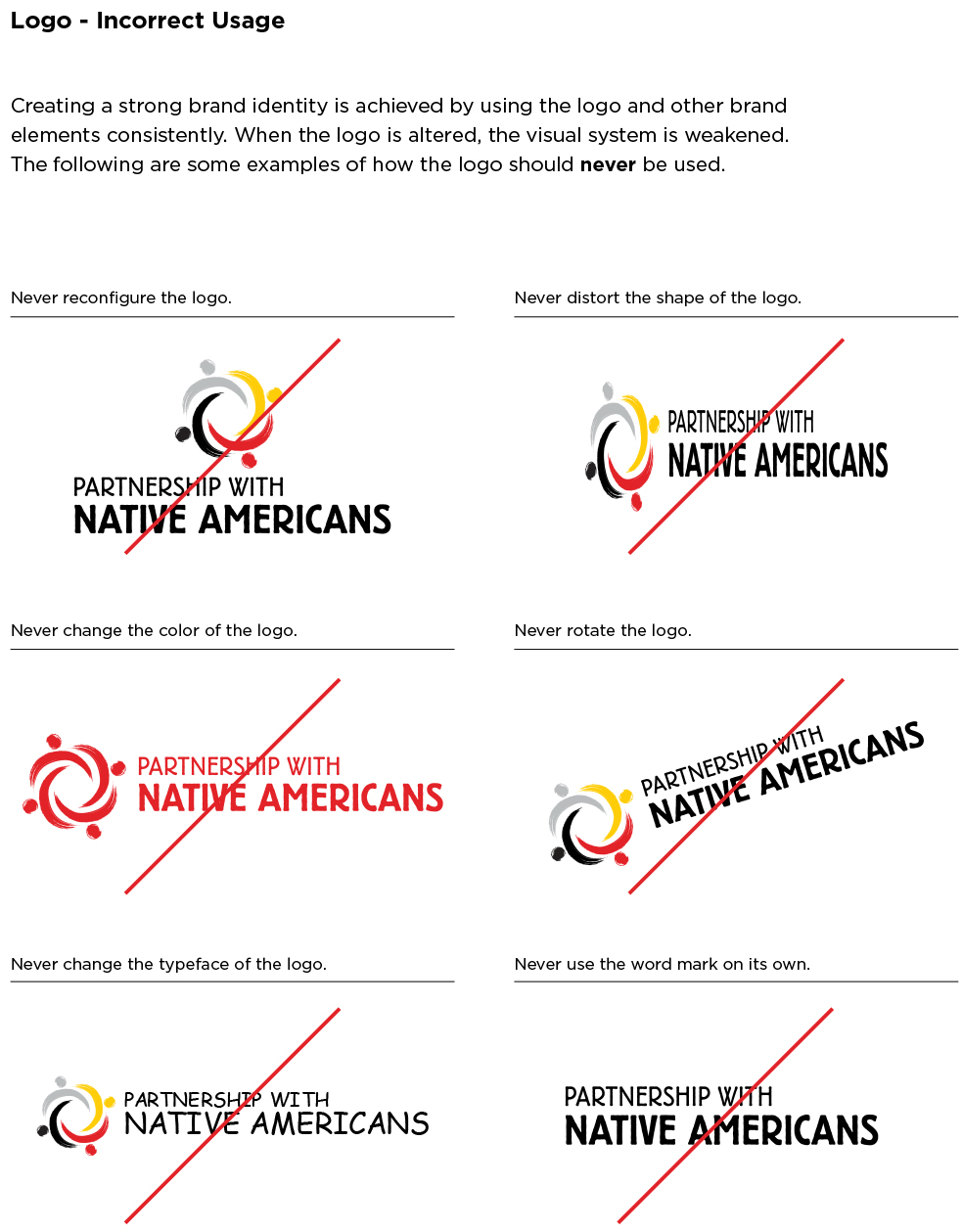
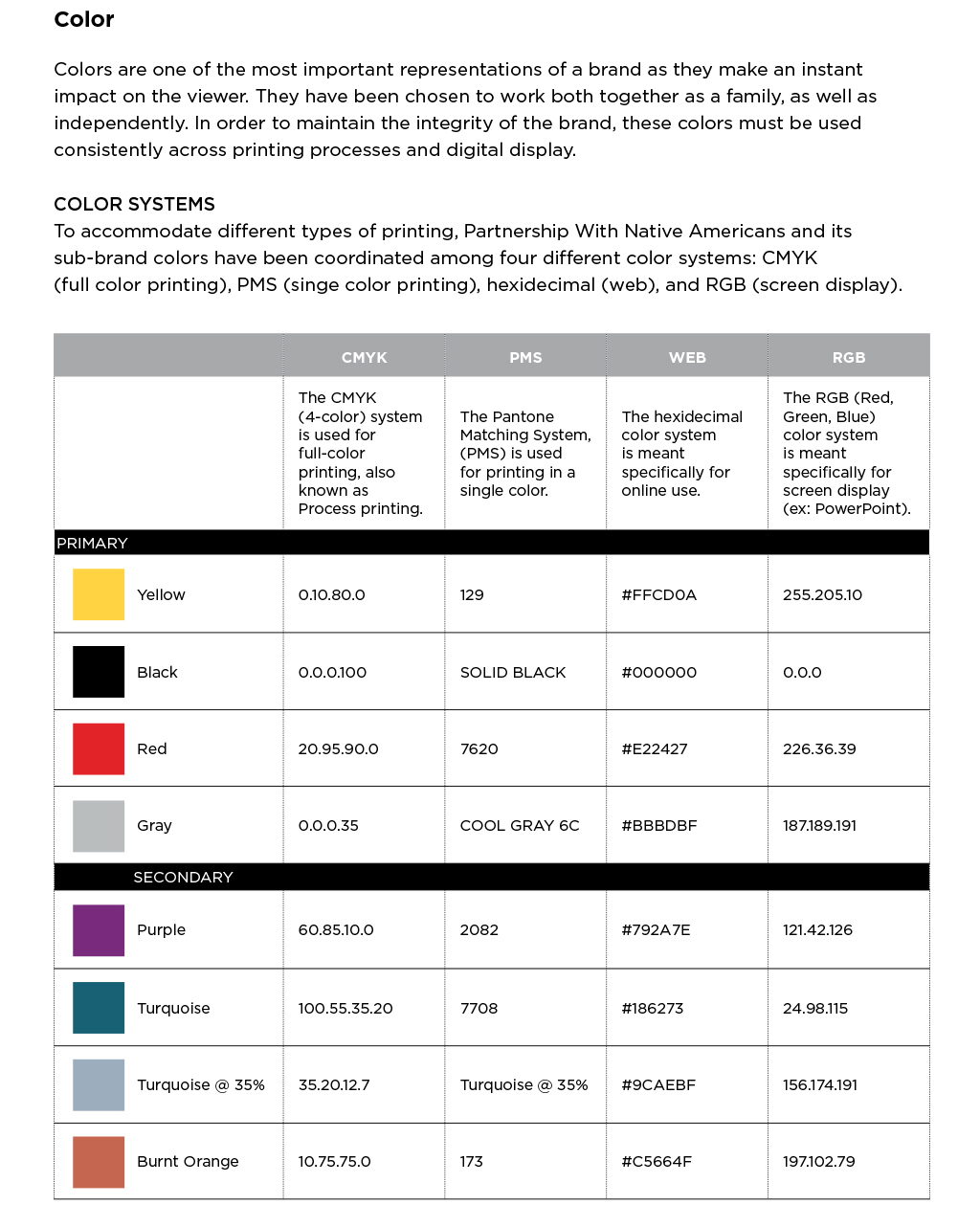
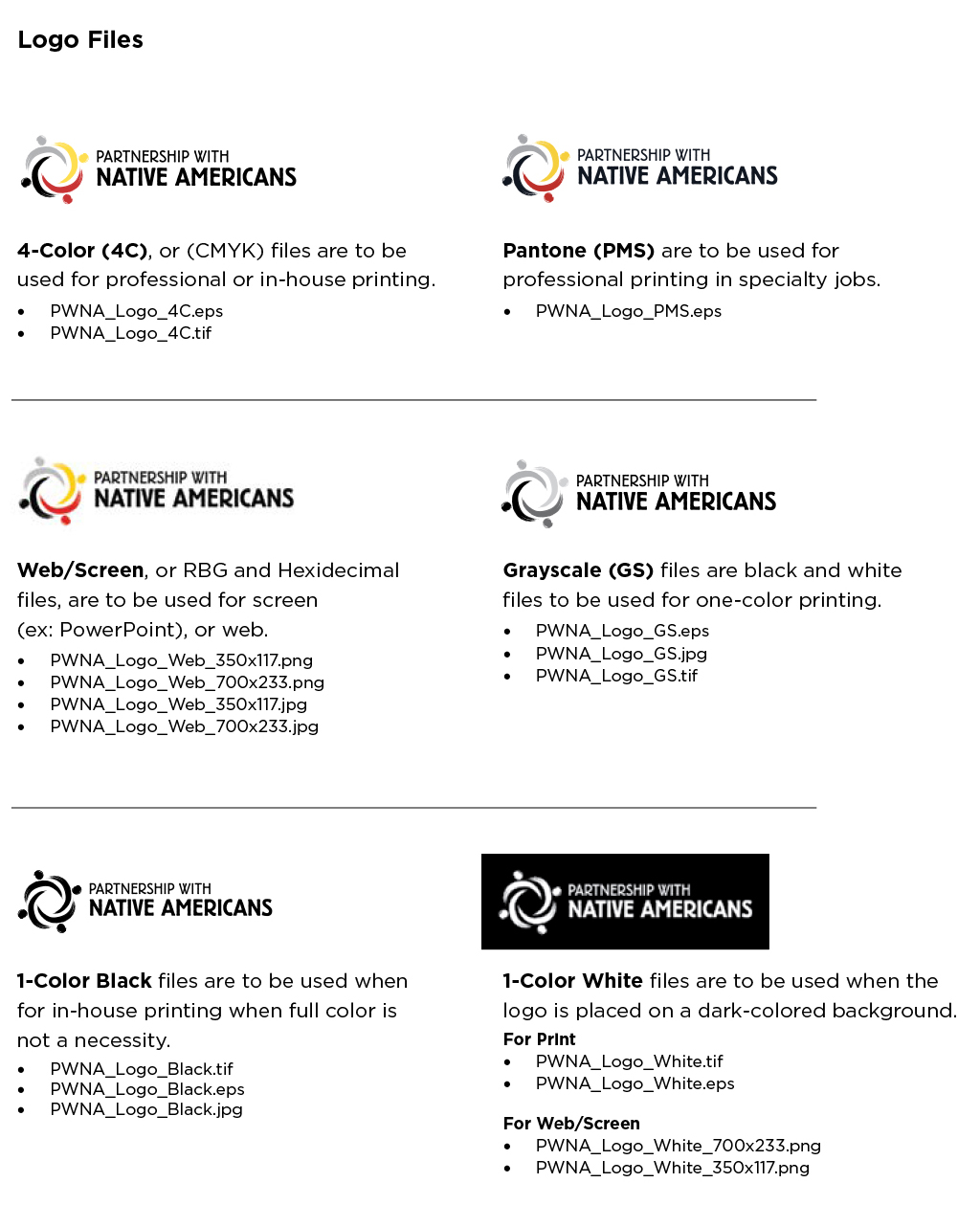
Once the logos were finalized, we developed a Brand Manual that included the brand elements and usage guidelines.

PWNA Brand Guidelines 1
PWNA Brand Guidelines 2
PWNA Brand Guidelines 3
PWNA Brand Guidelines 4
PWNA Brand Guidelines 5
PWNA Brand Guidelines 6

Outcomes

By reducing the number of sub-brands that it uses for fundraising, the organization was able to consolidate its fundraising efforts, cut the amount of direct mail it sends in half, and reduce costs significantly.

“Within the first six months, our brand awareness achieved parity with our old brand that had been used for 25 years.”

“We chose Red Rooster Group to help us develop a brand identity with maximum impact. They were quick to grasp our business and highly respectful of the unique culture and tradition of the Native American communities we serve. Our new name – Partnership With Native Americans – helps donors, the media, and the public understand that we partner with and invest in Native American communities. Having our brand immediately associated with our work and easily found through Internet searches is helping us achieve our mission by connecting us with those interested in Native causes.”
“We applaud Red Rooster Group for their exceptional guidance on this critical investment.”

— Robbi Rice Dietrich, President, Partnership with Native Americans